Barriers to Accessing Gender Affirming Mental Health Care in California’s Central Valley for Transgender and Nonbinary Individuals
By: Jordan (Crow) Fitzpatrick, ACSW
(he/they)
About Me
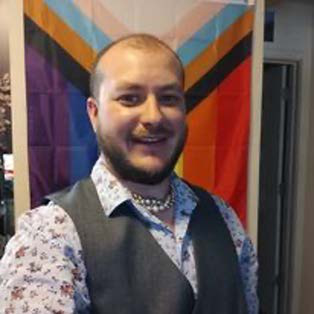
I am a recent graduate of Fresno State with a masters in social work. I am a visually impaired transgender person. I have been an advocate for LGBT liberation and disability rights for several years. I live in Fresno, California with my partner, Jess. We have been together for 12 years. In addition to my guide dog, Felice, we also have a cat named Pippin.
Research Questions:
- What are the barriers to accessing mental health care in the Central Valley for trans and non-binary individuals?
- How satisfied were trans and non-binary individuals with the mental health care that they received in the Central Valley?
Methods
- Interviewed diverse transgender and non-binary adults who live in the Central Valley
- Participants were recruited via social media, Central Valley orgs and LGBT Centers, and snowball sampling
- Given the option to use first name or a pseudonym of their choice.
- Interviews were conducted over the phone or through zoom
- Interview recordings were transcribed and analyzed by both myself and thesis chair for common themes (thematic analysis)
Results
- Total number of participants: 43
- Ranged in age, youngest being 18, eldest was 53.
- The mean age was 32 (SD=9) with a median and modal age of 29.
- 60% of participants were from Fresno and 40% were from other cities in the Central Valley
Thematic Analysis
Four main themes (which also had sub themes) were discovered through analysis of interview transcripts:
- Good experiences
- Bad experiences
- Transphobia
- Gatekeeping
- Conversion therapy
- Not informed in providing gender affirming care
- Biopsychosocial experiences
- Eating disorders/disordered eating
- Substance abuse
- Domestic/intimate partner violence
- Hospitalization for mental health reasons
- Homelessness
- Barriers to accessing care
- Difficulties with finding a gender affirming therapist
- Insurance barriers to accessing gender affirming mental health care
Theme 1: Good Experiences
participants in this study who shared about having good experiences with therapists all had very similar things to say about what made that therapeutic experience effective and satisfactory.
Good Experiences
What made a good therapist for participants:
- therapist competent in providing gender affirming mental health care
- most important factor
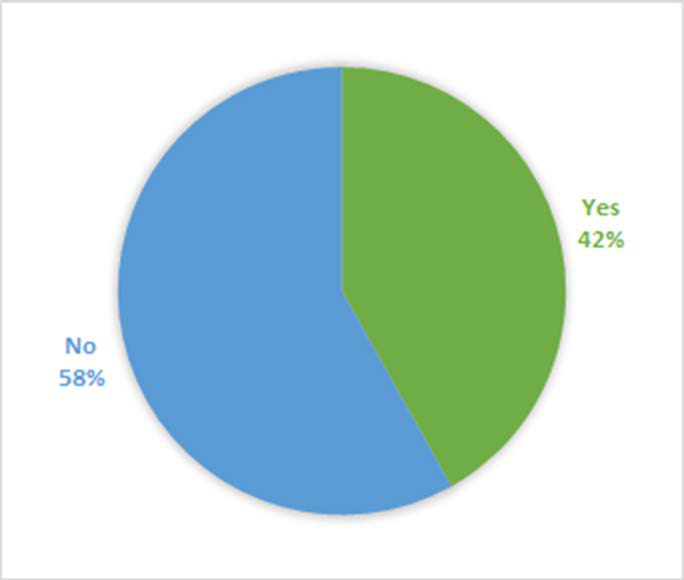
- Only 41% (N=19) participants had been treated by a therapist who was competent in providing gender affirming care.
- participants did not have to educate their therapist about their gender identity
- Therapist had knowledge of the needs of transgender and non-binary people
- therapist knowledgeable of community resources
Good Experiences (Continued)
- Therapist had connections to the local transgender community, its organizations and events
- Being a member of the LGBT+ community and of the same ethnic/spiritual/ cultural background was beneficial but not a requirement
- office or clinic that is openly accepting and affirming of the transgender and non-binary community
- Ability to address the intersectionality of an individual
Good Experiences
“I didn’t feel like they judged me. It felt more like an opening and welcoming environment, and it felt like my concerns were heard, and that they were deemed valid.”
-Eli (Questioning gender identity)
Theme 2: Bad Experiences
When discussing interactions that participants had experienced with therapists, several common negative experiences were shared. These experiences form the following subthemes:
- Transphobia
- Gatekeeping
- Conversion therapy
- Not informed in providing gender affirming care
Transphobia
“I was actually consistently told that my identity was invalid, that it didn’t exist, and that I was a woman and what the female role was expected to be. Um, and I was only allowed to- for most of my childhood, I was only allowed to go to Christian therapists and I never met anybody that either supported the LGBTQ community, was okay with the queer community, or had queer people in their circle.”
-Cassie (non-binary)
Gatekeeping
- clinicians’ strict application of eligibility criteria to determine a trans patient’s “fitness” to engage in medical transition, resulting in significant barriers to gender-affirming care. Gatekeeping often uses “mental readiness” as a prerequisite to medical transition, which contributes to patient distress and systemic discrimination. (Verbeek et al., 2022, p.1)
- This is in contrast to the WPATH Standards of Care, which state that clinicians must, “shift from a gatekeeping model towards an informed consent model, which improves access to care” (Verbeck, et al, 2022, p.1).
- many transgender and non-binary individuals must acquire a letter from a mental health clinician to gain access to medical care, such as surgeries. Many participants spoke about therapists requiring the patient to see them for an arbitrary amount of time or charging extra fees for these letters.
Gatekeeping
[The therapist] wanted me to be on testosterone for a year before she would even consider getting me a letter. Which, you know, wasn’t the standard of care anymore.
- Oscar (Trans man)
Gatekeeping
“I thought she [therapist] would be with me in writing a letter for gender affirming care for the top surgery, but the problem that I’m running into with her is the fact that I need to lose a great deal of weight before she will even write a letter for me you know, for the top surgery. And then, she charges too, which I didn’t really like that well.”
-Samuel (Trans man)
Conversion Therapy
- also known as gender identity change efforts (GICE) or sexual orientation change efforts (SOCE)
- refers to a harmful practice that has the goal of making a transgender or non-binary person be cisgender or to turn a homosexual, lesbian, or bisexual person into a heterosexual person (APA, 2021).
- the American Psychological Association (APA; 2021) has stated, “the incongruence between sex and gender in and of itself is not a mental disorder”
- very damaging practice that has not been shown to have any therapeutic benefit to any person (APA, 2021).
- many people who have experienced it have “emotional distress, loss of relationships, and low self-worth” (APA, 2021, p. 2)
- Those who have experienced it were “more than twice as likely to report having attempted suicide and having multiple suicide attempts” (APA, 2021, p. 2).
- Although conversion therapy practices have been banned in the state of California (SB 1172, 2012), they are still occurring and causing serious harm to the trans and non-binary community.
Conversion Therapy
“Say I had one bad thought which would be, you know, I find that woman really attractive. I would have to write a more appropriate response. So, I actually am attracted to her partner. I’m just jealous that she’s got something I don’t have, which is why I must be attracted to her. And they called it reprogramming. So, I had to relearn what I was attracted to.”
-Cassie (Non-binary)
Did Participants See a Therapist Who Was informed in Providing Gender Affirming Care?
“I’ve stopped, I’ve given up on talking about my trans experiences and my problems as a trans person to my therapist.”
-Sam (Non-binary)
“I just feel like I was brushed aside…like I was [not] being seen. I felt like my gender was an afterthought to them. It just didn’t feel very good.”
-Kaede (Non-binary)
Theme 3: Biopsychosocial Experiences
Entails a variety of types of experiences that affect a person on a physical, psychological,
and social level.
Includes the following subthemes:
- Eating disorders/disordered eating
- Substance abuse
- Domestic/intimate partner violence
- Hospitalization for mental health reasons
- Homelessness
Eating Disorders/Disordered Eating
“I never saw it as an eating disorder…. Latinos, specifically, it’s like eating disorders are not a thing.… So, all my life I didn’t realize that I do have this disorder because that’s not something that’s like discussed in like Hispanic households.”
-Alex (Trans man)
Eating Disorders/Disordered Eating
“When you’re fat, a lot of eating disorder clinics - at least what I’ve seen – or heard talked about are usually focused around folks who are anorexic, who are starving themselves and are too thin. I’ve rarely seen a space curated for folks who are trying to have a better relationship with their food, to not be afraid of their food, for fat people. Because I know, I’m not the only fat person who is starving themselves right now.“
- Bear (Trans man)
Substance Abuse
“I was put on the female side and I was told I would have to shower on the men’s side and I had to deal with the shower on the men’s side.”
-Tink (two spirit, trans woman)
Domestic/Intimate Partner Violence
“I was too embarrassed to go to a shelter. um, and it’s also the fact that there was this stigma for mental health. At that time, I thought- I thought it was shameful to receive help in that way because um, I was taught that it’s weak-minded to seek help.”
-Savun (Genderfluid)
Hospitalization for mental health reasons
“they straight up treated us like criminals.”
-Lynx (Autigender)
Homelessness
“It was really hard, because, like being Hispanic and being like queer and trans it just - and also at the time being homeless. it was really hard to find folks who can understand, because it was like toxic positivity. But it’s like how the f**** are you gonna be like super positive when you’re homeless, and you know, you don’t know when or if you’ll ever get off the street.”
-Alex (Trans man)
Theme 4: Barriers to Accessing Care
two main barriers were spoken about that caused difficulties in accessing gender affirming care :
- Difficulties with finding a gender affirming therapist
- Insurance barriers to accessing gender affirming mental health care.
Difficulties with finding a gender affirming therapist
- Few therapists trained in providing gender affirming care
- No directory of gender affirming therapists
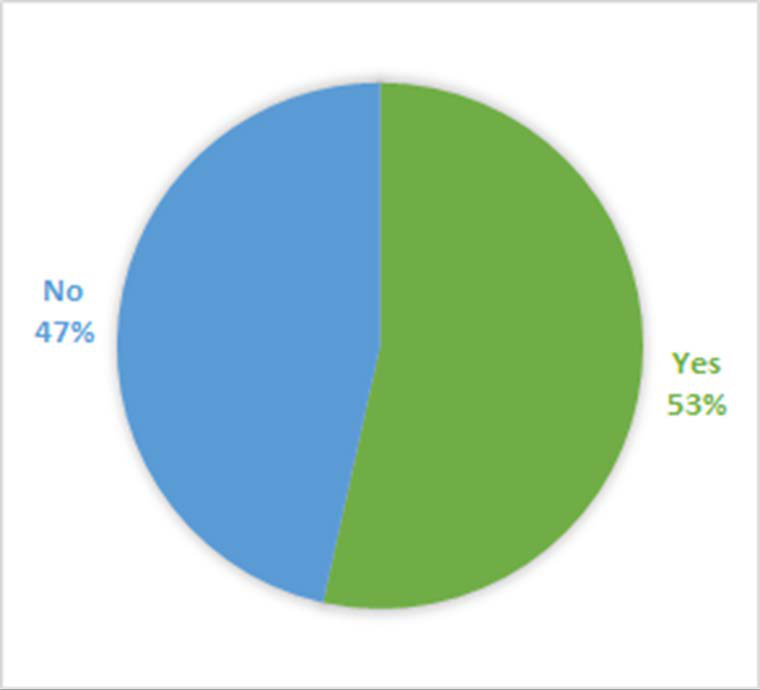
- More than half the participants had to seek care outside of the Central Valley to find gender affirming mental health services (n=23, 53.5%).
- Many did telehealth with a therapists outside of the Valley, which was expensive, often not covered by insurance
Sought Care Outside of the Central Valley
Difficulties with finding a gender affirming therapist
“If you look at their [therapists] Psychology Today…. A lot of people have the tagline of like LGBTQ accepting but that doesn’t mean that you’re an expert, or that’s what you’re comfortable with.”
-Frank (Trans man)
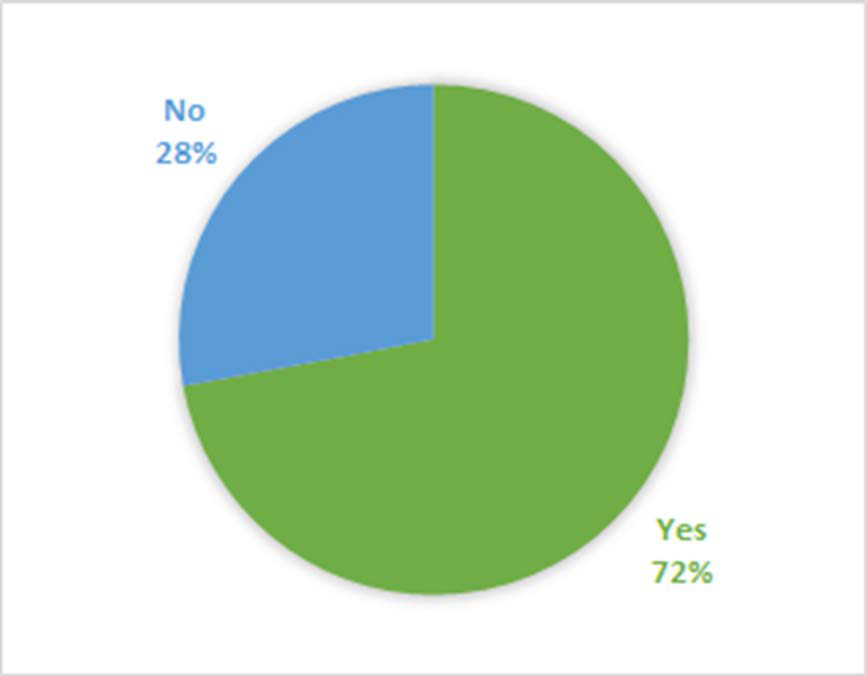
Insurance Barriers
Insurance Barriers
“So many people who are competent at all at talking to queer clients don’t accept insurance and that’s a huge problem. That’s a huge part of the problem. We, statistically, the majority of the trans population is in poverty and on MediCal. So, then even if you even get up past MediCal and you do get health insurance, you still aren’t going to be able to afford therapy! It’s really frustrating.”
-D (Queer)
Recommendations:
- Increased capacity for gender affirming care in mental health
- Consideration of intersectionality of trans and non-binary clients.
- More trans and non-binary representation mental health care providers, especially trans and non-binary providers of color.
- All mental health facilities must have staff knowledgeable in treating trans and non-binary individuals.
- A directory of current mental health providers who are competent in providing gender affirming care is needed for the Central Valley.
- Expand support groups for the trans and non-binary community, especially groups that are facilitated by a mental health provider.
- LGBT events addressing stigma about mental health in the trans and non-binary community.
- More accessible, inclusive events for the LGBT community of the Central Valley.
- Inclusive both residential and outpatient centers.
- Affordable providers of gender affirming mental health, taking all forms of insurance.
Thank you CCASSC for the support!
Any Questions?
To contact me for more info:
Presentation created by Jordan (Crow) Fitzpatrick, ACSW (he/they)
CREDITS: This presentation template was created by Slidesgo, including icons by Flaticon and infographics & images by Freepik
This HTML version was generated with AI assistance and may contain errors or omissions. The original approved PDF remains the official document of record. An alternative accessible format is available upon request from the document creator in accordance with Title II of the ADA.