Child Protection Beyond the Boundary: Interagency Collaboration Experienced by Child Welfare Workers and Law Enforcement Officers
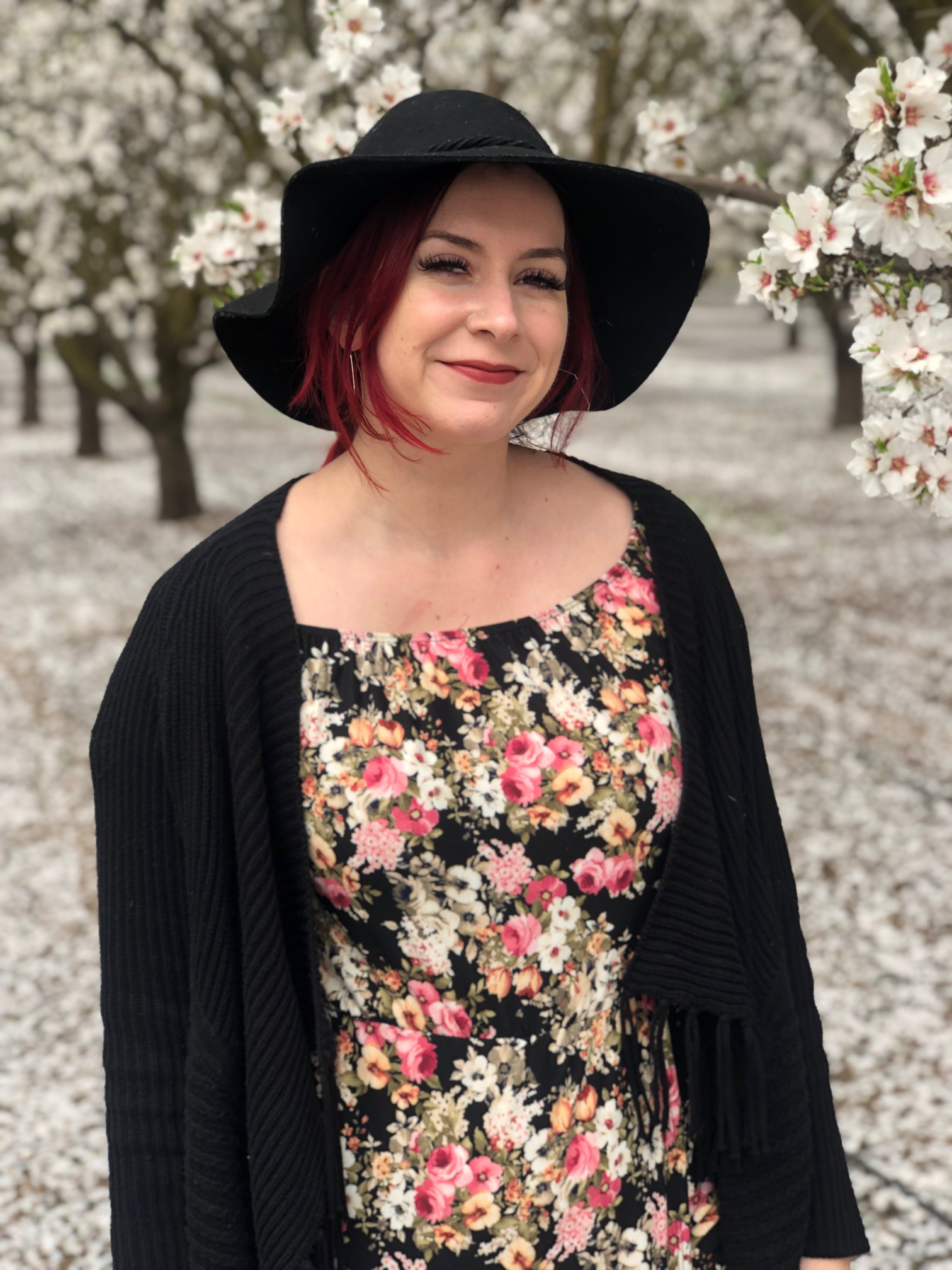
Magdalena Fitzgerald, MSW
About Me:
- Born and raised in the Central Valley
- Raised in law enforcement/criminal justice family
- BA of Sociology from UC Santa Cruz
- Fresno State Social Work 2022
- Title IV-E
- Currently employed with Madera County CWS
- Working in CWS as an aide // being a fly on the wall
- Hearing the social worker side of the cross-field collaboration
- Desire to hear both sides
- Interest in the parallels between law enforcement and child welfare institutions
- Feeling that regardless of one’s personal feelings, working with law enforcement as a child welfare worker is important//a relationship that should be fostered
Challenges to Interagency Collaboration
- Responsibility of child protection: Social Work, Education, Medicine, Mental Health and Law Enforcement
- Interactions between child welfare and law enforcement
- CWS worker reliance on law enforcement for Welfare & Institution Code (WIC) 300 holds
- PC 11165
- Differing professional philosophies, goals, and approaches to social issues: friction, delayed intervention, fragmentation of services
- Consequences: further harm or death of a child, public distrust of child welfare institution, blame, and outrage
Purpose: Research Questions
- Purpose: To understand the experiences of both child welfare workers and law enforcement officers when working together.
- (1)What are the experiences of patrol officers and Emergency Response social workers in their interactions with each other when protecting children?
- (2) What can the experiences of Emergency Response workers and patrol law enforcement officers explain about interagency collaboration?
- Communities of Practice (CoPs)
- The Children’s Advocacy Center & Multi-Agency Safeguarding Hub model
- Organizational Theory
- Social Work vs. Police Culture
Grounded Theory:
- Developing theory by examining participants’ experience (data) of a social phenomenon
- Qualitative
Interviews:
- Snowball Sampling
- Took place over video-conferencing application, Zoom
- Recorded, transcribed using Otter
- Child Welfare social workers (with Emergency Response experience)
- Tulare County (7)
- Fresno County (8)
- Law enforcement officers (with patrol experience)
- Fresno Police Department (8)
- No names were recorded
Interview questions:
- What is your understanding of the role of (law enforcement/ER workers) in the investigation of child abuse allegations?
- Tell me about your experiences interacting with (law enforcement/ER workers) while attending to child abuse and neglect referrals. (Positive/negative interactions)
- What would improve your interactions with (law enforcement/social workers)?
- How familiar are you with the laws that govern responding to child maltreatment?
- How effective do you think these policies are?
Positive experiences working with LEO:
- Willing to work with worker (take worker input)
- Nonjudgmental with families
- Wanting to make safety plans
Negative experiences:
- Officers having a “my way or highway” attitude
- LEO unwilling to listen to workers’ point of view
- Differing views of imminent risk
- LEO appearing apathetic/not wanting to be there
Positive experiences with Child welfare:
- Feeling on the “same team” as workers
- When workers work with families to create safety plans
- When workers had understanding of LEO role
Negative experiences:
- Perception of workers as “lazy”
- Wanting a 300 hold to avoid having to do more work
- Lack of urgency
- Disagreeing with officer about how to proceed
- Work toward better understanding and communication between professionals.
- Work toward respect for the knowledge and expertise of the other professional.
- Build rapport (co-location, specialized units)
Implement:
- Joint briefings
- Joint trainings (W&I, SOP)
- Limited findings of police philosophies that guide practice
- Limited amount of time to complete study
- Did not account for how identity markers would impact responses
- Each department & its culture are different
THANK YOU, CCASSC MEMBERSHIP!
I feel honored and am grateful for this opportunity. Thank you for allowing me to present my research to you all and for providing me with the CCASSC stipend. I will never forget this experience.
Magdalena Fitzgerald
Email: Magdalena.Fitzgerald@maderacounty.com
Cell: 559-824-8457
This HTML version was generated with AI assistance and may contain errors or omissions. The original approved PDF remains the official document of record. An alternative accessible format is available upon request from the document creator in accordance with Title II of the ADA.