“Intersectional Challenges within Immigrant Families with Children with Developmental Disabilities.”
Nereida Zarate Diaz, MSW
Alyson
Background & Passion
Background
- Individuals with Disabilities Education Act (IDEA)
- Special education and early intervention services
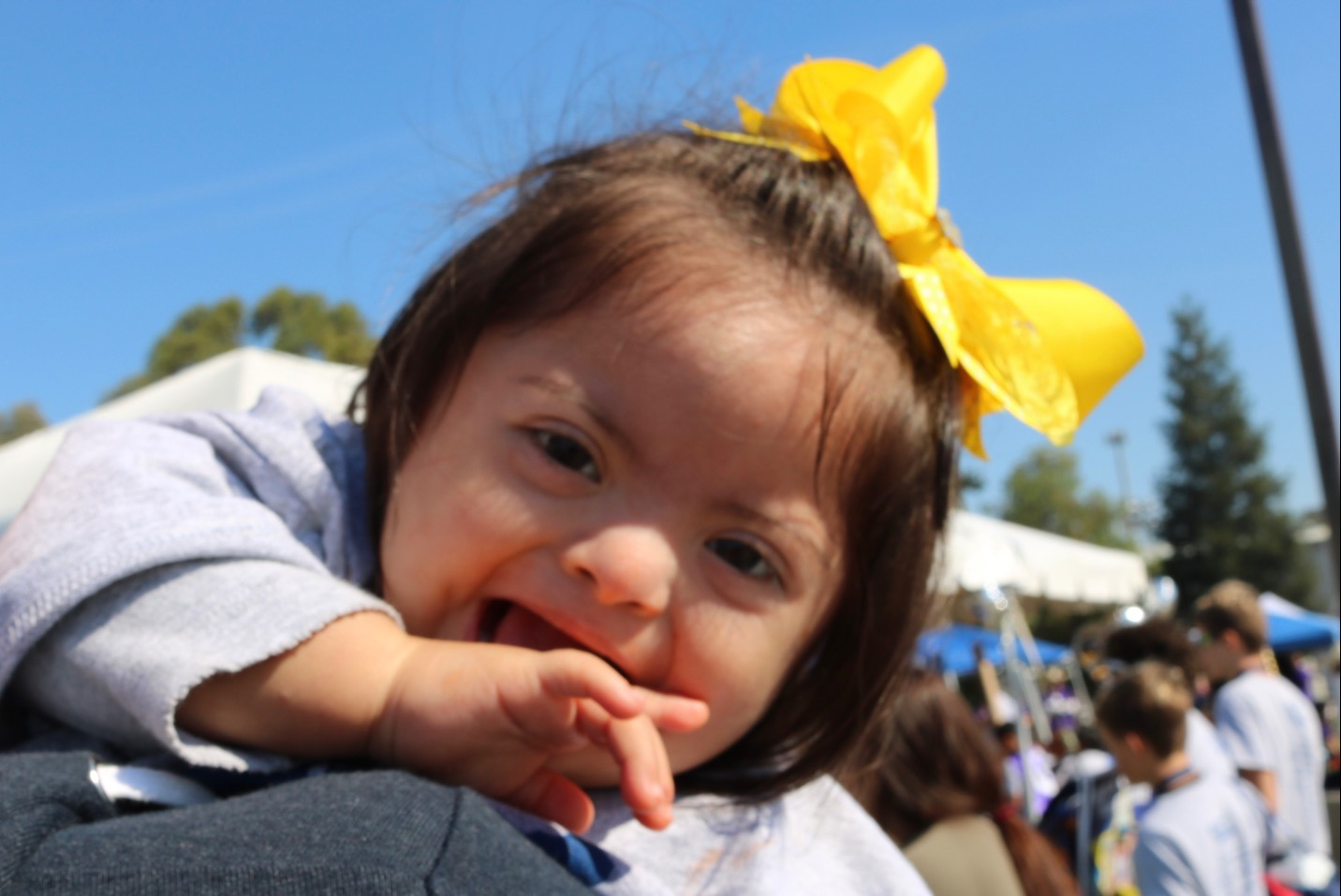
- Developmental disabilities affect more than three million children in the US.
- Intersecting problems

Problem
- Research is needed
- Difficulties immigrant families with children with developmental disabilities face
- Intersectional factor creates more conflict and barriers
- Cultural diversity
- Shy away from the services provided to them.
- Not enough resources for families

Intersectionality was first coined by Kimberlé Crenshaw. It can be described as social identities, systematic social inequalities, and disadvantages that are legitimized by those who hold power (Slaughter & Saintil, 2020). Intersectionality is a framework that asserts that people are typically disadvantaged by multiple forms of oppression. They may face oppression because of their race, religion, class, sexual orientation, or any other identity marker.
- Socioeconomic status
- Variety of other stressors.
- Health literacy
- Language barriers
- Cultural stigma
- Anxiety and or depression
- Cultural stigma
- Immigration status
- Language barriers
- Literacy
- Stereotyping
- Fear of being undocumented
- Consequences for applying for government assistance


Literature Review
METHODS
This study addressed the specific research question, What do human service workers observe as intersectional challenges when working with immigrant families of children with developmental disabilities?
- Qualitative methodology
- Phenomenological study
- 12 interviews
- Purposeful sampling
- Snowball sampling
- Zoom
RESULTS
Five themes emerged along with four sub-themes which helped answer the research question:
- Language Barrier
- Navigating while Undocumented
- Lack of education or understanding of services
- Cultural Barrier
- Resource Deficiency
DISCUSSION
- Language Barrier: Language limitations caused information to be miscommunicated and misunderstood, (Khanlou et al., 2014).
- Navigating while Undocumented: Participants stated that the main reason families are Hesitant to seek services is fear of deportation.
- Immigrant families with DD children reside in multifamily settings
- Children with dual status are unable to receive the required care, including in-home supporting assistance and respite care.
- CPS involvement
- Lack of Education or Understanding of Services
- Cultural Barrier
- Resource Deficiency:

RECOMMENDATIONS
- Training involving children with DDs or a specialized unit is recommended.
- Thorough understanding of the obstacles that these families face.
- Legal services
Thank you
Email:Nereida07@mail.fresnostate.edu
Cell: (559) 644-8155
This HTML version was generated with AI assistance and may contain errors or omissions. The original approved PDF remains the official document of record. An alternative accessible format is available upon request from the document creator in accordance with Title II of the ADA.