Machismo, Marianismo & Traumatic Grief in Latinx Survivors of Suicide Loss
Richard Garcia | Chair: Candy Madrigal, Ph.D., LCSW
California State University, Fresno
Content Warning
I will be discussing suicide, suicide loss and sharing about a completed suicide. If you’re in crisis, please call 988 or text “Home” to 741741.
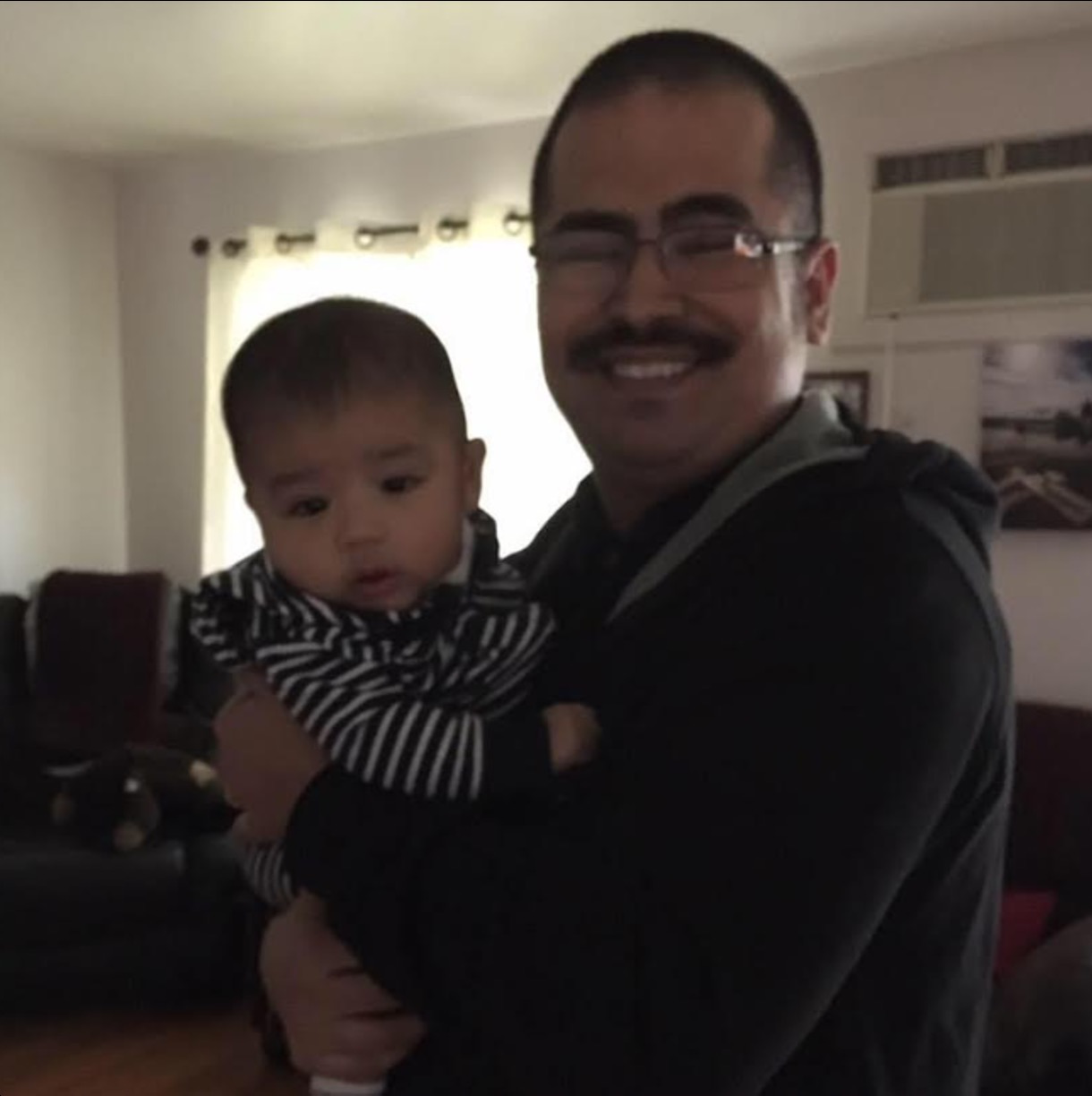
Abel Garcia
“Silently loud” mental health struggles.
- Family Stressors
- Financial Stressors
- Isolation & Withdrawal
Grieving a Suicide Loss
Playing Detective
Cultural Factors
- Stigma
- Religion/Suicide as a sin.
- Culture
Guilt/Shame
Anger, Blame
- And
- nothingness
I could finally breathe…

Suicide and Suicide Loss
- Suicide rates increased 36% between 2000-2021 (CDC, 2023)
- Provisional 2022 suicide data shows additional 2.6% increase. (CDC, 2023)
- 4.6% increase in Hispanic/Latinos
- 2nd leading cause of death for individuals 10-34 years old.
- Each suicide loss effects an estimated 5-6 family members, 135 community members (Cerel, et al., 2019)
- 2022 estimated impact: 6.9 million SOSLs
Traumatic Grief
- Grief following a traumatic loss - such as deaths by suicide, homicides, accidents, and overdoses - which can disrupt or complicate typical grief responses.
- Initially introduced in DSM-5 as Persistent Complex Bereavement Disorder
- Prolonged Grief Disorder: (PGD), currently in the DSM-5-TR and the ICD-11
Suicide Loss as Traumatic
- Highest PGD symptoms
- Highest functional impairment (Thielman et al., 2023)
- Highest rates of PTSD (Tal et al., 2017)
- Non-white individuals significantly higher PTSD, depression, and anxiety (Sangvhi, 2021)
- Women SOSLs reported significantly higher depression (Groff et al., 2016)
Suicide Loss, Guilt, & Stigma
- Higher perceived stigma associated with increased psychological distress and PGD symptoms, stigma higher in minority groups (Rivart et al., 2021)
- Social constraints: any social conditions that causes a trauma survivor to feel unsupported,
misunderstood, or otherwise alienated when they are seeking social support or attempting
to express trauma related thoughts, feelings, etc. (Groff et al., 2016)
- Social constraints significantly associated with PTSD & Depression for individuals bereaved by suicide.
- Non-white SOSLs reported higher social constraints. (Sangvhi, 2021)
Suicide Loss and Suicide Risk
- Suicide loss associated with heightened suicidal ideation (SI) and suicide attempts (Krysinska, 2003; Levi-Belz & Birnbaum, 2022)
- 2x SI compared to those bereaved by natural death. (Tal et al, 2017)
- Thwarted Belongingness (TB) and perceived burdensomness (PB) predicts suicidal behavior;
increased in SOSLs
- Thwarted Belongingness (TB): An unmet need for an individual’s social connectedness.
- Perceived Burdensomeness (PB): An individual’s belief that they are a burden and that others would benefit from their death/their death is worth more than their life.
Machismo and Marianismo
Machismo
- A set of values, attitudes, and beliefs assigned to hispanic males
- Traditional machismo (hyper-masculinity/toxic masculinity) vs Cabellerismo (chivalrous)
Marianismo
- Gender roles, expectations,, and norms assigned to Latinas
- Family oriented, virtuous, humility, and spirituality
- Submissive
- Extreme sacrifice and suffering on behalf of the family (Castillo et al., 2010)
Machismo, Marianismo & Mental Health
- Traditional machismo associated with:
- aggression, antisocial behavior, decreased emotional connectedness (Arciniega et al., 2008), PTSD and psychological distress (Herrera, 2013)
- Marianismo associated with:
- psychological distress following traumatic events (Da Silva et al., 2021); disengagement coping styles and poor mental health outcomes (Sanchez et al., 2018)
- Traditional machismo and marianismo associated with higher levels of negative cognitions and emotions. (Nunez et al., 2016)
Theoretical Framework
Social Cognitive Processing Model (Lepore, 2001)
Positive and appropriate processing of traumatic events can occur if:
- Disclosure occurs*
- Supportive network that* validates responses, challenges altered cognitions
- Outlet for trauma-related reactions reduce stress.*
Incorporates emotional, social, & cognitive processes
Methodology
Quantitative
- Descriptives
- Stepwise & Enter Regressions Analyses
Procedure
- IRB approval
- Online Survey
- English & Spanish version
Population
Latinx adults survivors of suicide loss (SOSL)
Sampling
Convenience, purposive, and snowball
Measures
Machismo & Caballerismo Scale (Arciniega, 2008)
Marianismo Belief Scale (Castillo, 2010)
TGI-SR+ (Lenferink, 2022)
Demographic Data
N=152
Total number of participants
94%
Mexico as familial country of origin
Suicide Loss Characteristics
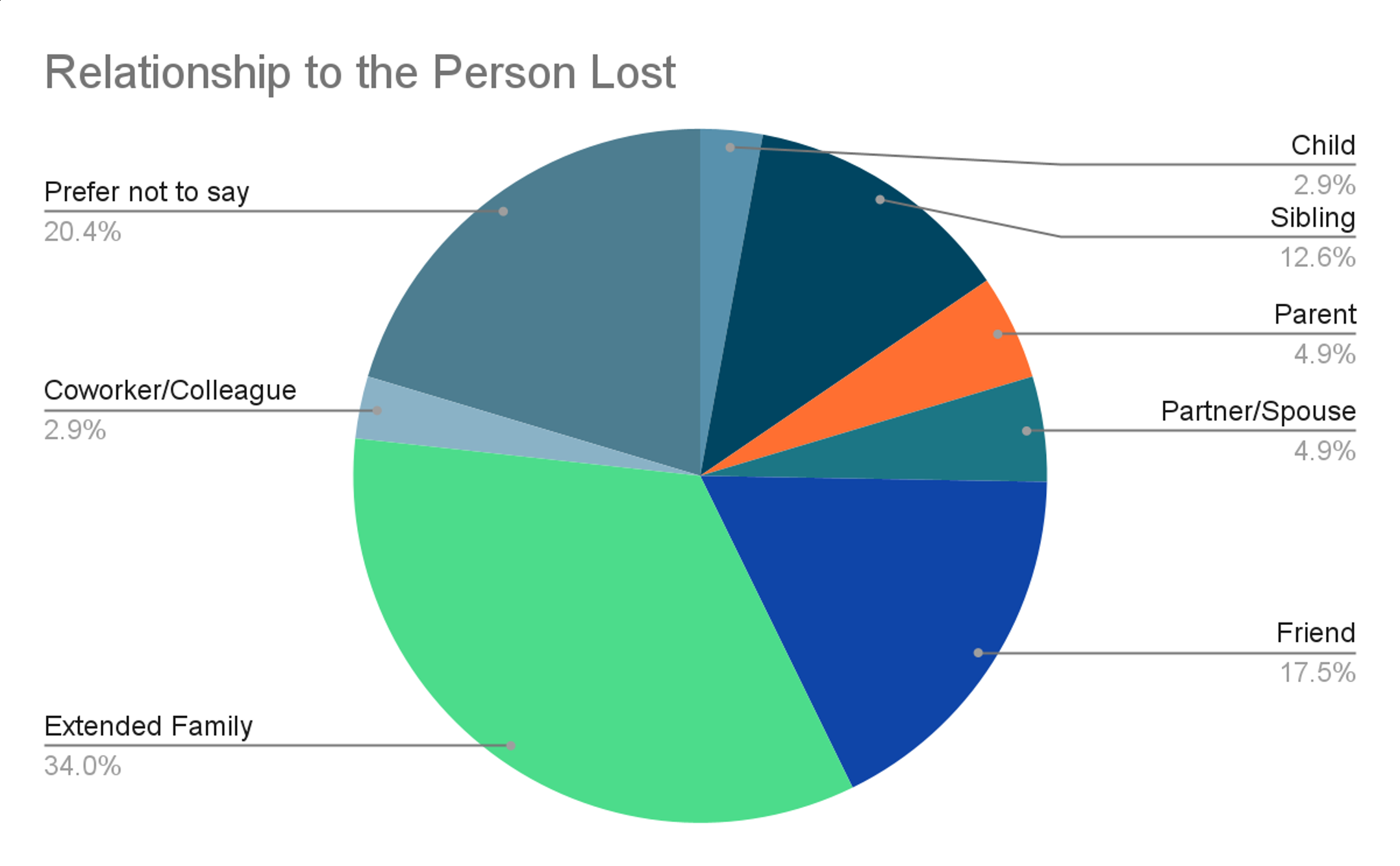
TGI-SR+ Responses
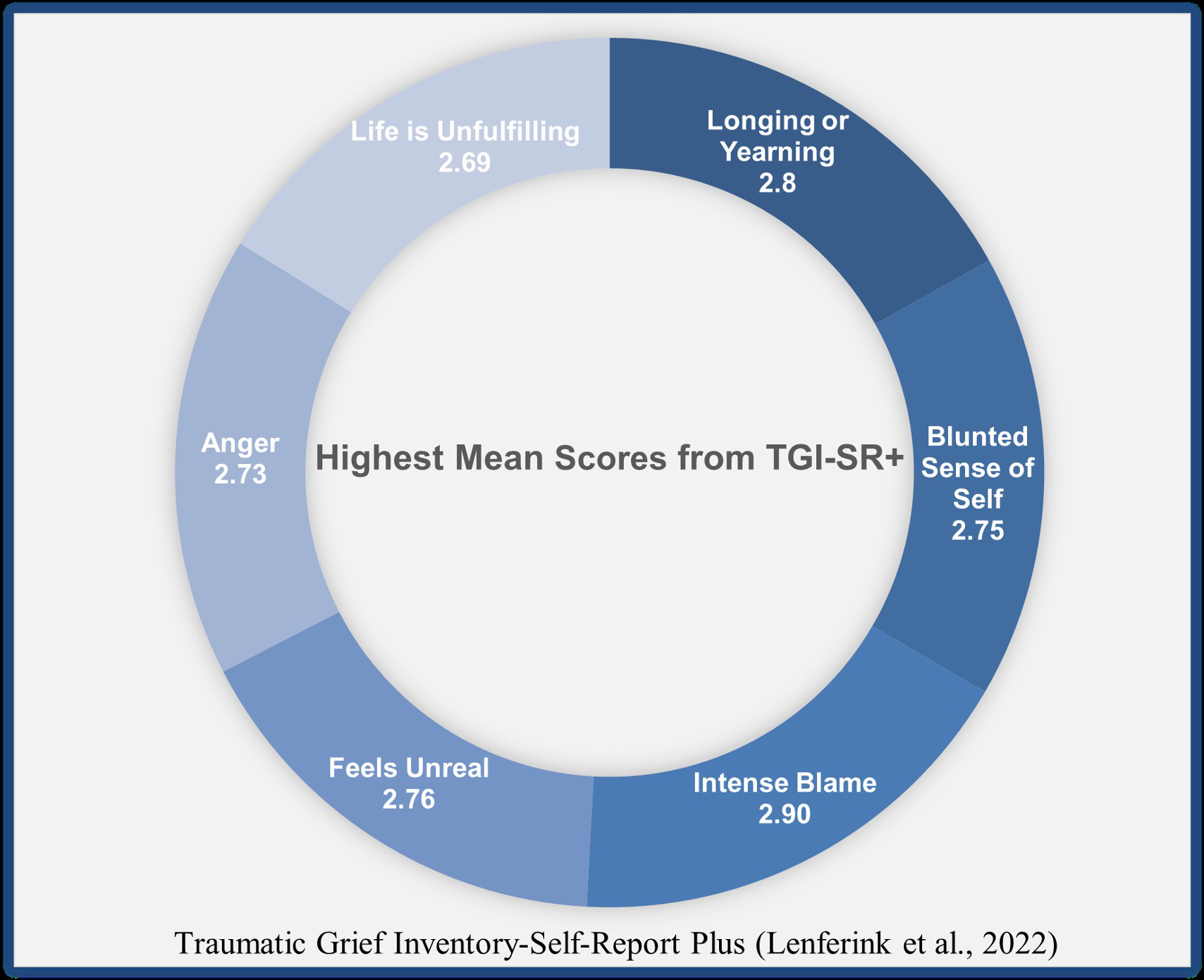
Disturbed Grief
23%
Met threshold for disturbed grief
Predictors for Traumatic Grief
- Age (younger than 26)
- Relationship to the Person Lost
- Spouse & Children
- Prefer not to say
- Siblings
Results of Hypotheses
Overall machismo will be associated with traumatic grief (non-directional)
Overall marianismo will be associated with traumatic grief (non-directional)
Traditional machismo will be positively associated with traumatic grief.
Caballerismo will be negatively associated with traumatic grief
Subordinate to others (subscale of MBS) will be positively associated with traumatic grief.
Silencing self to maintain harmony (subscale of MBS) will be positively associated with traumatic grief.
Family Pillar
Protective factor; inverse relationship with traumatic grief (p=-.05).
Implications forSocial Services
- Evidence Based Practices
- Identify, fund, research, and implement policies and protocols that adequately address barriers for latinx survivors of suicide loss.
- Addresses stigma and provides psychoeducation, may support decreases in care disparities
and health outcomes. (Kapke & Gerdes, 2016)
- Practitioner implementation of Latinx cultural constructs may increase service utilization and retention (Davis et al., 2019)
- Fresno: top five communities with greatest health needs are predominantly Latinx (FCHIP, 2023)
Thank you CCASSC!
RichardG09@Gmail.com
(559) 930-7409
Richard-Garcia09
Thesis
CRÉDITOS: este modelo de presentación fue creado por Slidesgo, e incluye íconos de Flaticon e infográficos e imágenes de Freepik
Por favor, mantenga este slide para atribución
This HTML version was generated with AI assistance and may contain errors or omissions. The original approved PDF remains the official document of record. An alternative accessible format is available upon request from the document creator in accordance with Title II of the ADA.