Behavior-Based Case Plan Pilot in Tulare County Public Child Welfare: Development, Implementation and Initial Evaluation
William Myers, MSW
California State University, Fresno
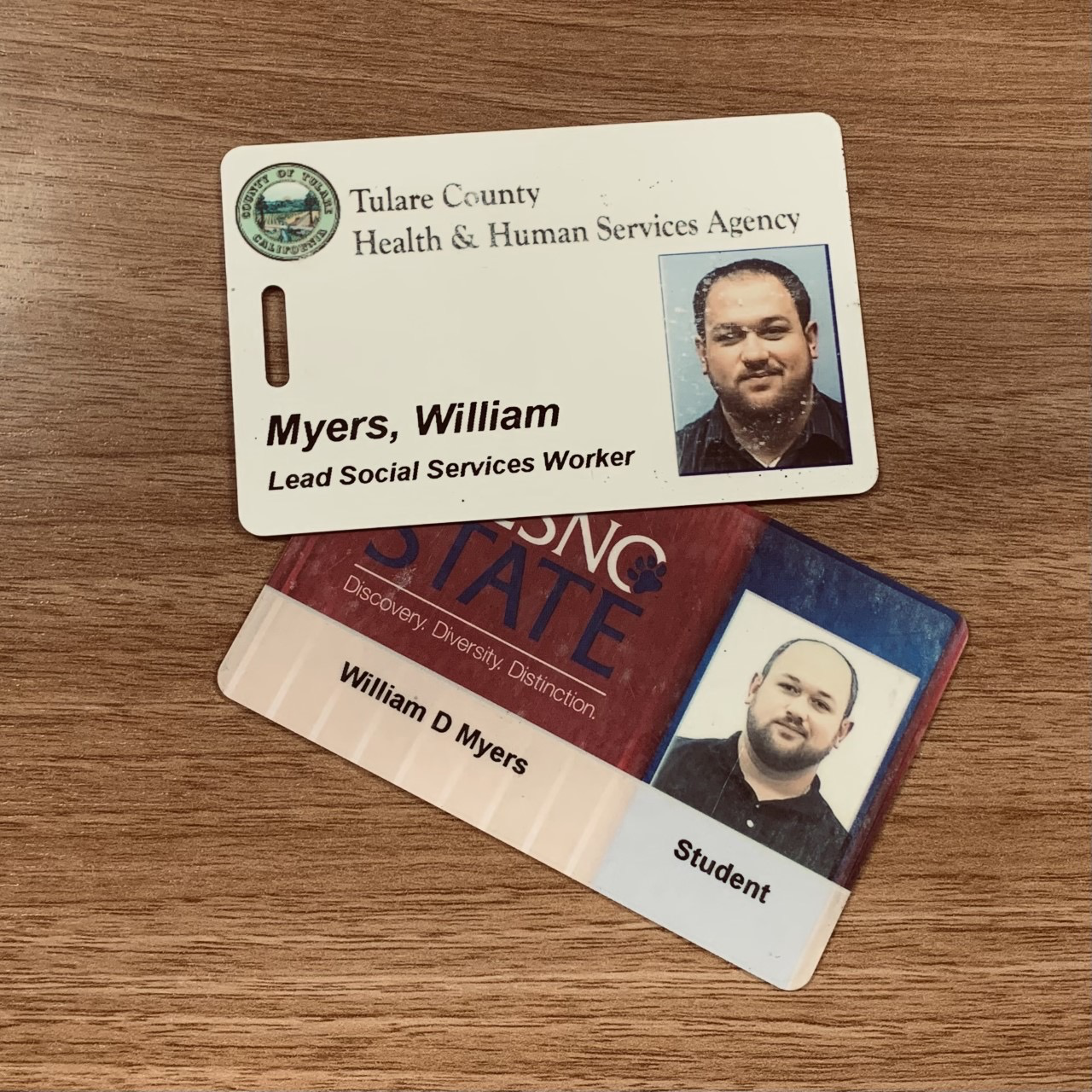
THE PRINCIPAL INVESTIGATOR
Personal Motivation
- Parental Example
- Childhood Experiences
- “Seek Justice, Love Mercy, Walk Humbly”
THE PRINCIPAL INVESTIGATOR (CONT’D)
Education
- Bachelor of Arts – Psychology
- Master of Social Work
- Internship
- Community Day School
- Permanency Planning / Admin
Professional Experiences
- In-Patient Psychiatric Care
- Group Home Facility
- Tulare County HHSA – Child Welfare Services
PURPOSE OF THE INQUIRY
The Problem
- Recidivism and Recurrence of Child Maltreatment
- Need for Effective Assessment and Intervention
- Task- / Service-Based Interventions
The Solution?
- Behavior-Based Case Planning
- Safety-Organized Practice (SOP)
- Solution-Based Casework (SBC)
THE LITERATURE
- Worker-Client Relationship
- Intervention as Secondary to Assessment
- Task- / Service-Based Intervention
- “Quick Change” vs. “Lasting Change”
THE LITERATURE: THEORETICAL ORIENTATION
Safety-Organized Practice (SOP)
- Increased Safety, Permanency, and Well-Being
- Good Working Relationships
- Improved Critical Thinking
Solution-Based Casework (SBC)
- Family-Centered, Strengths-Based
- Collective, Collaborative Partnership
- Reducing Future Risk vs. Simply Intervening in Current Issues
THE LITERATURE: THEORETICAL ORIENTATION (CONT’D)
Supporting Theories / Concepts
- Cooperative Engagement
- Involvement of Families in Decision-Making
- Individualized, Tailored Practice
- Informal vs. Formal Interventions, Resources and Supports

THE LITERATURE: EMPIRICAL RESEARCH
- SBC Correlated to Decreases in Recidivism, Recurrence
- Worker-Parent Relationship Impacted by Provision, Relevance of Services
- Factors Contributing to Recidivism, Recurrence
- Social Support Deficits
- Co-Occurrence of Abuse
- Family Stress
- Child Vulnerability
- Interplay / Interaction of Factors
THE LITERATURE: EMPIRICAL RESEARCH (CONT’D)
- Engagement in Intervention and Importance of the Helping Alliance
- Effectiveness of Individualized Intervention
- Impact of “Booster Trainings” on Positive Outcomes
- The Influence of Individual, Family and Societal Contexts and Constructs
RESEARCH QUESTIONS
Is faithful adherence to the BBCP model of theory and practice achievable within the context and constraints of public child welfare / child protection agencies?
Does a BBCP model demonstrate a positive impact on outcomes when compared to more traditional methods of practice?
RESEARCH DESIGN
- Descriptive Design
- Agency Evaluation vs. Academic Inquiry
- (15) BBCP Cases
- (15) Standard Cases
- Human Subjects Considerations
- No Direct Contact

VARIABLES IDENTIFIED
Worker Fidelity to the BBCP Model
- Were SOP Tools Used?
- Were Strengths Identified?
- Did Parent(s) Participate in Development of Safety Goals?
Comparison of BBCP Model and Traditional Approaches
- Time from Removal to Reunification
- Time from Removal to Case Closure
THE DATA
Primary Collection
- Carried Out by the Agency
- BBCP Stat Tracking Tool
- BBCP Case Reading Tool
Secondary Collection
- Carried Out by Principal Investigator
- Model Fidelity
- Model Comparison

DATA ANALYSIS
Fidelity to the Model
- “Yes-No” Orientation
- Use of Tools
- Identification of Strengths, Protective Capacities
- Inclusion of Caregiver(s) in Case Plan Development
Comparison of BBCP and Traditional Approach
- “Removal to Reunification”
- “Removal to Case Closure”
FINDINGS
- BBCP Model May be Feasible Within Public Child Welfare
- Benefit of Further Coaching, Clarification of Standards
- BBCP Model Does Not Appear to Correlate to Negative Outcomes
- Need for Further Inquiry
- Long-Term Outcomes
- Increased Sample Size
IMPLICATIONS FOR PUBLIC CHILD WELFARE PRACTICE
- Departure from “Case Management,” Return to Social Work
- Ethical Considerations
- Dignity and Worth of the Individual
- Importance of Relationships
- Implementation of BBCP Model Appears Achievable Within Constraints of Public Child Welfare
- Is BBCP Superior to Standard Practice?
LIMITATIONS
External Barriers
- COVID-19
- Local Disasters
Limited Sample Sizes
- Representation of Sample
- Generalization of Findings
DIRECTIONS FOR FURTHER INQUIRY
- Impact of BBCP on Worker Engagement With Clients
- Impact of Worker-Client Relationship on Worker Satisfaction, Morale
- Need for Ongoing Training, Coaching for Skill Retention
- Impact of BBCP on Long-Term Outcomes
- Safety, Permanency, Well-Being
IN MEMORY OF GARY KUPFER
CONTACT INFORMATION:
COUNTY EMAIL:
WMYERS@TULARECOUNTY.CA.GOV
PERSONAL EMAIL:
WILL.MYERS4@GMAIL.COM
This HTML version was generated with AI assistance and may contain errors or omissions. The original approved PDF remains the official document of record. An alternative accessible format is available upon request from the document creator in accordance with Title II of the ADA.