The Implementation of a GLP-1 Conversion Algorithm to Decrease Patient A1C Levels and Improve Glycemic Compliance
Maisha J. Smith DNPc, FNP-BC,
California State University, Fresno
Doctor of Nursing Practice Program
Acknowledgement Statement

- Dr. Kathleen Rindahl
- Dr. Marc Nielsen
- DNP L. Loe
- Dr. C. Carlton
- FNP C. Herman
- My family
The Implementation of a GLP-1 Conversion Algorithm to Decrease Patient A1C Levels and Improve Glycemic Compliance
Background Information
- Diagnosis of diabetes
- Diagnosis of diabetes in the Native population
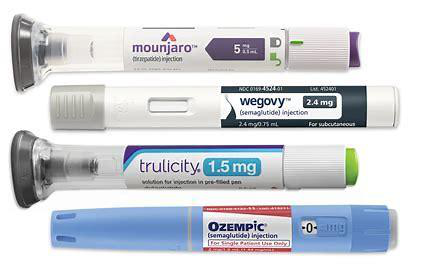
- Medications for the treatment of diabetes
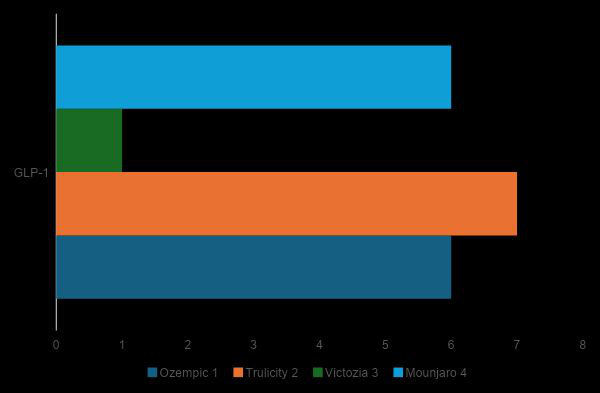
- GLP-1 use
- Implementation of GLP-1 in Native Population
Problem Statement
- 2013 26 million Americans dx with T2D
- 2050 98 million will be dx with T2D
- 1997 SDPI created by Congress
- 2020 301 SDPI programs
Purpose of the project

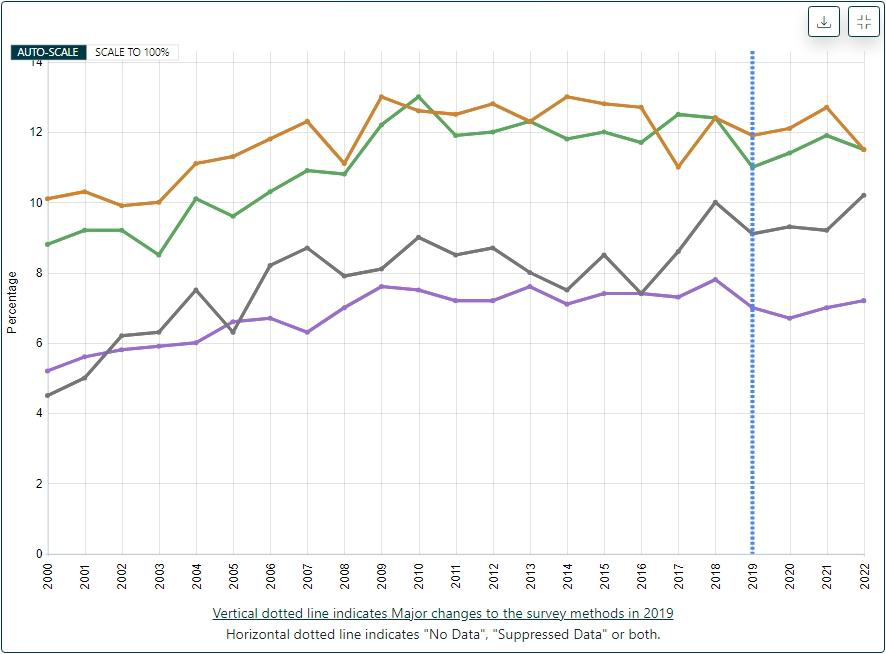
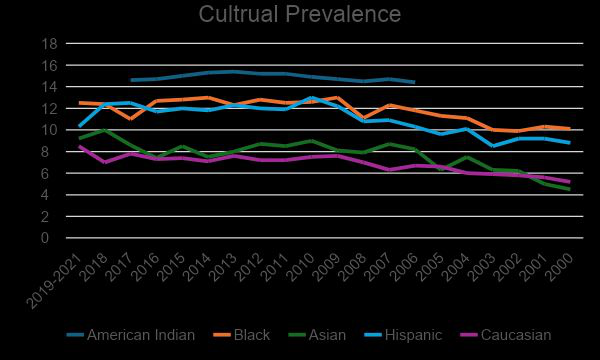
- American Natives and Alaskan Native populations are highly affected by T2D.
- They are faced with disparities regarding healthcare.
Theoretical Framework
- Albert Bandura
- Self-Regulating Theory

Review of the literature
- Is there a need for GLP-1 and natives
- Lifestyle modifications for diabetic treatments
- Medication treatment for natives.

Methods
- Subjects were Native Americans/Alaskan Natives with Diabetes
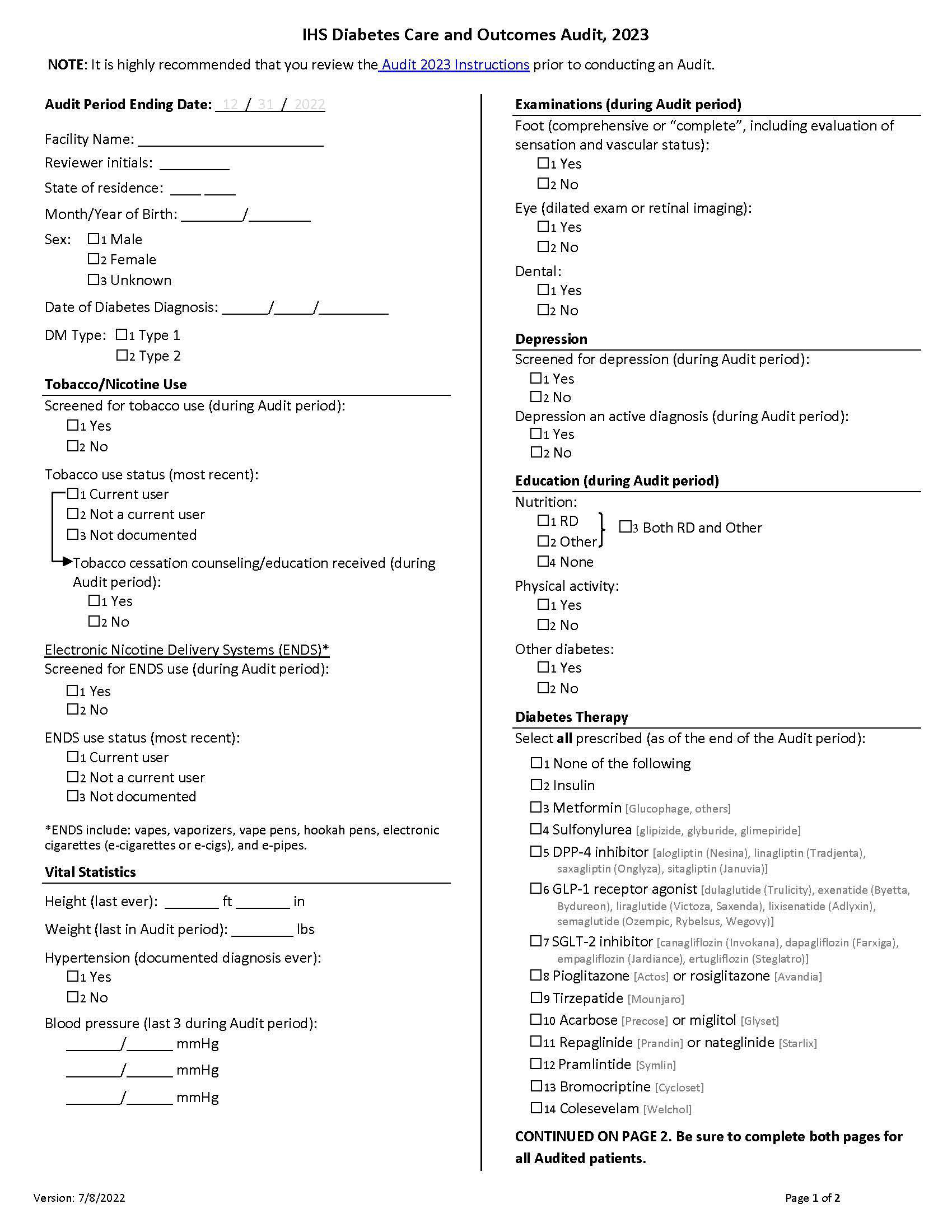
- SDPI audit sheet
- Retrospective chart review
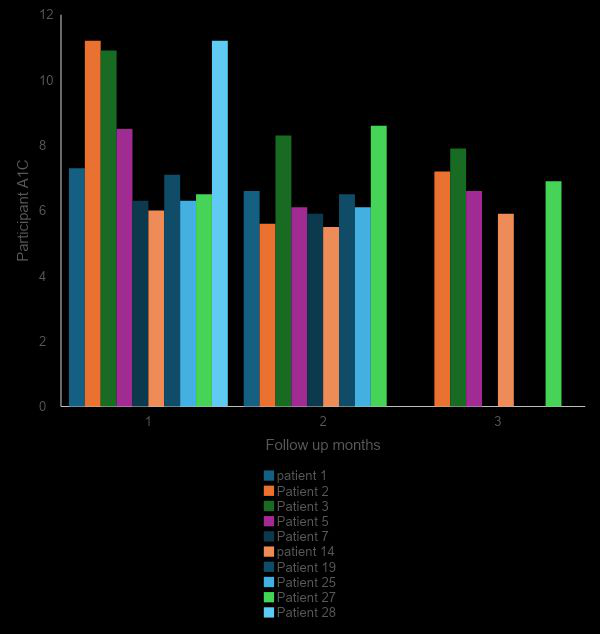
- Assessing A1c at initial start of GLP-1, 3 month follow up and 6 month follow up.
IHS Audit 2023
- Each Patient had an Audit sheet completed
- Each Audit sheet was assessed for inclusion criteria.
Data Collection
ANOVA results
Anova: Single Factor — SUMMARY
| Groups | Count | Sum | Average | Variance |
|---|---|---|---|---|
| Column 1 | 10 | 81.3 | 8.13 | 4.70011 |
| Column 2 | 9 | 59.2 | 6.57778 | 1.26194 |
| Column 3 | 5 | 34.5 | 6.9 | 0.545 |
ANOVA
| Source of Variation | SS | df | MS | F | P-value | F crit |
|---|---|---|---|---|---|---|
| Between Groups | 12.3818 | 2 | 6.19089 | 2.38213 | 0.11685 | 3.4668 |
| Within Groups | 54.5766 | 21 | 2.59888 | |||
| Total | 66.9583 | 23 |
There is no significant difference between the patient’s A1C started on the GLP-1 compared to their A1C at their 6 month follow up.
Discussion or Outcomes


This Photo by Unknown Author is licensed under CC BY-ND
This Photo by Unknown Author is licensed under CC BY-SA
Conclusions
- Education
- Access to Care
- Access to GLP-1
- More research
- Close the gap on disparities

Limitations
- Small sample size
- Limited follow-up by patients
- Consistency in taking GLP-1
- Cost and accessibility of getting a GLP-1
- Insurance coverage for GLP-1

What is next
- More research
- Increased research focusing on Native Americans and Alaskan Natives
- SDPI
- More research on GLP-1
- Increased access to quality healthcare for Native Americans and Alaskan Natives

This Photo by Unknown Author is licensed under CC BY-SA-NC
References
- American Diabetes Association. (2022). Standards of care in diabetes-2023 abridged for primary care providers. Standards of Care. https://doi.org/10.2337.cd23-as01
- Bullock, A., Sheff, K., Hora, I., Burrows, N.R., Benoit, S.R., Saydah, S.H., Hardin, C.L., & Gregg, E.W. (2020). Prevalence of diagnosed diabetes in American Indian and Alaska Native adults, 2006-2017. BMJ Open Diabetes Research & Care 2020: 8: e001218. https://doi.org/10.1136/bmjdrc-2020-001218
- Drucker, D. J., Habener, J. F., & Holst, J. J. (2017). Discovery, characterization, and clinical development of the glucagon-like peptides. Journal of Clinical Investigation, 127(12), 4217–4227. https://doi-org.hmlproxy.lib.csufresno.edu/10.1172/JCI97233
- Lamprea-Montealegre, J. A., Madden, E., Tummalapalli, S. L., Peralta, C., Neilands, T. B.,Garcia, P. K., Muiru, A., Karliner, L., Shlipak, M. G., & Estrella, M. M. (2022). Association of Race and Ethnicity With Prescription of SGLT2 Inhibitors and GLP1 Receptor Agonists Among Patients With Type 2 Diabetes in the Veterans Health Administration System. JAMA, 328(9), 861–871. https://doi.org/10.1001/jama.2022.13885
- Pratte, K.A., Johnson A., Beals, J., Bullock, A., Manson, S.M., Jiang, L., & Special Diabetes for Indians Diabetes Prevention Program. (2019). Regression to normal glucose regulation in American Indians and Alaska Natives of a diabetes prevention program. Diabetes Care 2019, 42: 1209-1216. https://doi.org/10.2337/dc18-1964
- Wehrman, G., Halton, M., Riveland, B., Potter, E., & Gaddy, M., (2022). Comparison of A1c reduction, weight loss, and changes in insulin requirements with addition of GLP-1 agonist vs SGLT-2 inhibitors in patients using multiple daily insulin injections. Journal of Pharmacy Practice, 0(0): 1-7. https://doi.org/10.1177/08971900221134174
This HTML version was generated with AI assistance and may contain errors or omissions. The original approved PDF remains the official document of record. An alternative accessible format is available upon request from the document creator in accordance with Title II of the ADA.