Psychiatric Mental Health Nurse Practitioner (PMHNP) Student Handbook 2024-2025
CALIFORNIA STATE UNIVERSITY, FRESNO
COLLEGE OF HEALTH AND HUMAN SERVICES
Revised May 2025
Contents
- SECTION I- INTRODUCTION
- SCHOOL OF NURSING ORGANIZATIONAL CHART
- MISSION STATEMENT
- PHILOSOPHY
- DEFINITION OF TERMS
- SECTION II- GUIDELINES FOR GRADUATE ADVANCED PRACTICE REGISTERED NURSE (APRN) CLINICAL
EXPERIENCE
- ADMISSIONS
- NURSE PRACTITIONER FAMILY OPTION ORGANIZATIONAL FRAMEWORK
- SECTION III- PMHNP STUDENTS PROGRESSION AND COURSE OF STUDY
- STUDENT PROGRESSION
- COURSE OF STUDY
- CLINICAL HOURS
- SECTION IV- PMHNP DIRECTOR, FACULTY, PRECEPTORS, STUDENTS AND CLINICAL SITES
- SECTION V- TYPHON
- SECTION VI- EVALUATIONS/FEEDBACK
- SECTION VII- OBJECTIVE STUDENT COMPREHENSIVE EVALUATION
- SECTION VIII- ACCOMIDATIONS FOR DISABILITIES
- SECTION- IX GRIEVANCE AND DISPUTE RESOLUTION
- SECTION X- DISCRIMINATION AND HARASSMENT
- SECTION XI- MARAJUANA USE
- SECTION XII- RESOURCES FOR PMHNP STUDENTS
SECTION I- INTRODUCTION
The Psychiatric Mental Health Nurse Practitioner Student Handbook provides information about University, College, and School policies, procedures, and guidelines. The following guidelines were developed to clarify faculty, preceptor, and student roles during the student’s clinical experience. Students are held accountable for information and policies presented.1
SCHOOL OF NURSING ORGANIZATIONAL CHART2
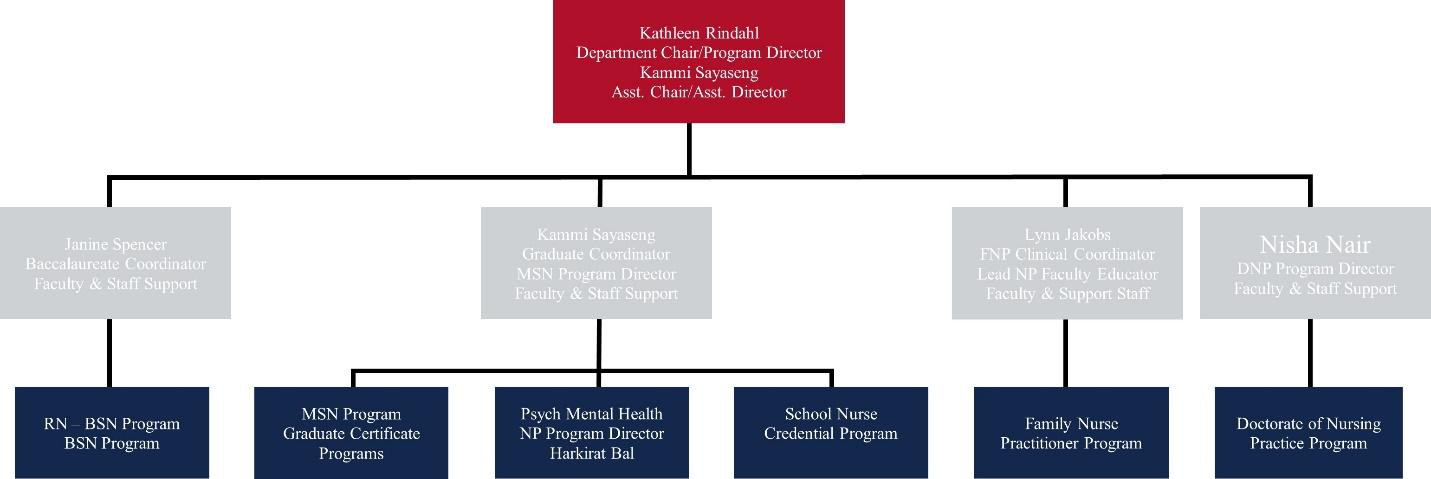
MISSION STATEMENT
The mission of the School of Nursing is to offer quality nursing education to undergraduate and graduate nursing students. This education prepares nurses with clinical decision-making skills based on Evidence-Based Practice (EBP). Additionally, the School of Nursing seeks to establish an academic foundation for Advanced Practice Nursing and Doctoral preparation. As life-long learners, graduates are prepared to deliver Holistic health care to diverse populations across Health Care settings.
PHILOSOPHY
California State University, Fresno offers comprehensive programs that lead to bachelor’s and master’s degrees in a wide variety of fields of study. A strong general education component in the undergraduate programs fosters the importance of lifelong learning. The master’s programs are designed to provide specialized study in selected advanced practice fields.
The University’s special commitment to the San Joaquin Valley is to prepare students for industries and professions serving the community. To achieve the mission, California State University, Fresno supports applied research and public service programs to enhance faculty development and instruction, especially those which contribute to the intellectual, social, cultural, and economic vitality of the San Joaquin Valley and California.
The SON’s philosophy includes faculty’s beliefs about person (humanity); art and science of nursing; nursing education, including the following individual differences among students: cultural milieu, ethnic background, learning styles, support systems.
Person (humanity)
The faculty believe all people are deserving of excellent care, administered with respect, dignity, and compassion. Nursing embodies the uniqueness of each person by developing a relationship that is person-centered, honest, transparent, and accountable. The faculty believes all people are deserving of health: physical, mental, social, and emotional well-being.
Art and Science of Being a Nurse
The faculty believe that nursing is an art and science promoting health for diverse individuals and populations using an approach that is collaborative, comprehensive, multidimensional, and holistic. The core competencies are the basis of the nurse’s ability to provide, design, manage and coordinate caring practices, including clinical judgment, advocacy, caring practices, systems thinking, response to diversity, facilitation of learning, clinical inquiry, and collaboration.
The faculty believes that technology will continue to play an important role in a dynamic healthcare environment. The use of technology is assessed and incorporated into student learning. An appropriate balance between technology and aspects of human caring is emphasized.
Nursing Education
The faculty believe that nursing students are transformed, through their educational and clinical experiences, from lay people into professionals who encounter people during their most vulnerable times. Nurses have an intimacy with patients that is unique, even within healthcare professions. Therefore, nursing education involves transformation, which includes role taking, affective learning, clinical decision making, and professional acculturation. Therefore, faculty believe that student-centered learning is the preferred pedagogy when the goal is transformation.
The faculty believe that together we enhance the students’ transition to professional nursing practice through strong role modeling behaviors. The faculty is dedicated to cultivating a sense of professional empowerment, a desire for lifelong learning, and a passion for social justice as a way of being in our school and as an integral part of our school community. An evidence-based curriculum is integral to the commitment of the faculty to students’ learning and development.
The faculty view students as a community of learners in which all function at a high level of accountability, flexibility, and integrity. In that way, a true learning environment can be created that fosters the exchange of diverse ideas and opinions and advances collaboration.
The faculty believe that each student has unique learning needs and through the provision of multiple teaching modalities, students with different learning needs will achieve success. The faculty supports student success through referral to various student-centered initiatives and programs across the campus, as well as individual consultation.
The Master of Science in Nursing (MSN) program prepares professionals in the functional role of primary care nurse practitioner (family). The second professional degree also provides a foundation for doctoral study.
The DNP program is designed for high leadership potential to examine critically current healthcare practices and policies from a broad theoretical and practical perspective; and to formulate clinical, administrative, and instructionally effective leadership approaches that can improve the quality of healthcare throughout the state.
The graduate curriculum supports the functional areas and facilitates competence in the essential clinical domains which include management of client health/illness status; the nurse-client relationship; teaching and outcome-based evaluations, professional role development; health promotion and human diversity; managing health care delivery systems; and monitoring quality of health care practice.
1 Reviewed & Revised: May 2024; Approved by Faculty Council:
2 Reviewed & Revised: January 2024; Approved by Faculty Council:
DEFINITION OF TERMS
Acute Care: refers to specialized, restorative care delivered by nurse practitioners to patients experiencing rapidly changing, unstable, or complex health conditions. This includes the management of acute, chronic, and critical psychiatric conditions across diverse clinical settings such as inpatient, outpatient, and rehab settings.
Academic Warning: Notification to a student by faculty that the student’s course work and/or clinical performance is not acceptable or is at risk of failing; and/or the student is exhibiting unprofessional behaviors in the clinical or online academic settings. The academic warning includes a written warning plan for the student to work towards successful completion of the course/clinical requirements. An academic warning follow-up is issued to track the student’s progress of improvement recommendations.
Advanced Practice Registered Nursing Core: This includes the required 3Ps — Advanced Pathophysiology, Advanced Health (Physical) Assessment, and Advanced Pharmacology — which are prerequisites for program entry, each requiring a minimum grade of “B”. Courses accepted must be graduate level and post licensure.
Affiliation Agreement Request Form: The form submitted to the PMHNP Director to begin the process of establishing a clinical affiliation agreement between California State University, Fresno and the clinical site.
Category: refers to the population-focused area in which a certified nurse practitioner delivers specialized care. For the PMHNP (Psychiatric-Mental Health Nurse Practitioner) program, the category is Psychiatric-Mental Health Across the Lifespan. This means PMHNPs are prepared to assess, diagnose, and treat mental health conditions in individuals of all ages—children, adolescents, adults, and older adults—across various settings such as outpatient clinics, hospitals, telehealth platforms, and crisis centers.
Clinical Affiliation Agreement: A facility contract between California State University, Fresno and the clinical site.
Clinical Faculty: Faculty assigned students in a clinical course. The faculty monitors Typhon and schedules practicum site visits to evaluate the student’s clinical performance and assign the clinical grade.
Clinical Preceptor: A psychiatric Mental Health Nurse Practitioner (PMHNP) or a board-certified psychiatrist, who provides clinical preceptorship to a PMHNP student at the approved clinical site.
Graduate Core: Foundational content such as theoretical and ethical principles of psychiatric care, woven throughout the coursework.
Primary Care: refers to comprehensive, continuous healthcare provided to individuals and families across the lifespan. It emphasizes preventive care, health promotion, early detection of mental illness, disease prevention, and ongoing management of acute and chronic psychiatric conditions. Primary care also includes patient education, health maintenance, and coordination of care within the broader healthcare system.
Psychiatric Mental Health Nurse Practitioner (PMHNP): is a registered nurse with standardized procedures (SPs) who possesses additional preparation and skills to assess, diagnose, and treat the mental health and psycho-social needs of client (s) across the lifespan (children, adolescents, adults, geriatric population) in a variety of practice settings.
Role and Population-Focused Courses: The program features role preparation and population-specific content across three semesters, including management of psychiatric disorders across the lifespan, psychopharmacology, and care for special populations like children, adolescents, and older adults.
Supervised Direct Patient Care: All clinical hours must involve direct patient care provided under the supervision of a clinical preceptor or faculty member who is physically present and maintains full responsibility for the client’s care. Telehealth encounters are recognized as direct patient care; however, simulation activities do not count as direct patient care hours.
SECTION II- GUIDELINES FOR GRADUATE ADVANCED PRACTICE REGISTERED NURSE (APRN) CLINICAL EXPERIENCE
ADMISSIONS
The Certificate of Advanced Study for Psychiatric Mental Health Nurse Practitioner (PMHNP) program is offered by the School of Nursing (SON) at California State University, Fresno, in cooperation with the Division of Continuing and Global Education (CGE).
Psychiatric-mental health across the life-span (PMHNP) is recognized by the National Organization of Nurse Practitioner Faculties (NONPF), as a clinical field within nurse practitioner categories. The program includes the graduate core courses that are aligned with the American Association of Colleges of Nursing (AACN) Essentials core competencies for professional nursing education standards.
PMHNP program is a Board-approved academic program offering a graduate-level certificate in nursing and it is accredited by the Commission on Collegiate Nursing Education (CCNE). Please visit: CCNE Website
California State University-Fresno is also accredited by Western Association of Schools and Colleges (WASC). Please visit: WASC
Accredited by the Commission on Collegiate Nursing Education (CCNE), a recognized accrediting body by both the U.S. Department of Education and the Council of Higher Education Accreditation. The university notifies the BRN prior to making any substantive changes.
This one-year post-master’s program is designed to prepare primary care nurse practitioners to provide a full range of psychiatric services to patients throughout the life cycle. Students are prepared to manage adult and childhood mental health disorders.
The program consists of four theory courses and 520-hours of precepted clinical experience for a total of nineteen (19) units. The program is online (Canvas, video conferencing, etc.) and requires four (4) on-site visits, three (3) mandatory Zoom meetings. Successful completion of this program results in a Certificate of Advanced Study.
Applicants must meet all of the following eight (8) requirements at the time of application is submitted:
- Completion of either a Master of Science in Nursing (MSN) or a higher degree [ DNP, Ph.D., or EdD.] from an accredited college with Cumulative GPA of 3.0 or higher. Submitting an unofficial copy and an official transcript for each college attended is required. Applicants will be conditionally admitted into the program by reviewing unofficial transcripts. However, official transcripts for each college attended must be submitted prior to the deadline.
- Transcript must indicate the 3Ps (advanced practice level course) with a minimum grade
of “B” in every course
- Advanced Pathophysiology (at least 3 credits)
- Advanced Physical Assessment (at least 3 credits)
- Advanced Pharmacology (at least 3 credits)
- Valid Active California Nurse Practitioner license and Furnishing Number. The license must remain active throughout the program.
- A minimum of one (1) year of clinical experience as an NP is required at the time of application is submitted. Previous mental health experience as an RN or NP is preferred (but not required).
- Currently practicing (either full time, part time, or per diem) in any of the following
five categories as a Nurse Practitioner:
- Family/Individual Across the life span
- Adult-gerontology, primary care or acute care
- Neonatal
- Pediatrics, primary care or acute care
- Women’s Health/Gender-related
- Upload a copy of current Drug Enforcement Administration (DEA) authorization for Schedule II-V drugs. The DEA must remain active throughout the program.
- Valid, Active California Registered Nurse (RN) licensure.
- Current Basic Life Support (BLS) certification
Once accepted into the program, the following requirements must be met before enrolling in coursework:
- One reference check using Likert scale sent directly by the recommender (preferred from potential preceptor (MD/DO/PMHNP).
- A complete physical exam and immunization (submit copy once officially accepted into the program)
- The university application form can be found online at https://www.calstate.edu/apply
- If you’ve changed your mind, please refer to our withdrawal policy on our website Drop/Withdrawal Process
Once the application meets the University and the department requirements, the PMHNP Director will contact you for a brief interview. The PMHNP program Director and the Clinical Coordinator will carefully review the application and determine whether to make an admission offer, to place the applicant on a waitlist, or to make a decision of non-admission.
Once admitted to the program, the PMHNP Director will email class numbers and enrollment deadlines to students prior to each semester. The student uses these numbers to register for their courses on the My Fresno State website. Course fees must be paid in full within 24 hours of the student registering. Students may also register by submitting a paper registration form to the Division of Continuing and Global Education.
A registered nurse who has been certified by the board as a nurse practitioner may use the title, “advanced practice registered nurse” and/or “certified nurse practitioner” and may place the letters APRN-CNP after their name or in combination with other letters or words that identify the category.
Graduates are eligible to sit for PMHNP (Across the Lifespan) national board certification examination offered by either of the following two national accrediting bodies: The American Academy of Nurse Practitioners (AANP) or The American Nurses Credentialing Center (ANCC).
NURSE PRACTITIONER FAMILY OPTION ORGANIZATIONAL FRAMEWORK3
MISSION
To prepare graduates to deliver holistic healthcare to diverse populations across health care settings.
VALUES
(Program Goals)
- Collaboration
- Critical Thinking
- Information Literacy
- Ethical Behavior
- Valuing Diversity
- Client-Centered Healthcare
STRATEGIES
(Philosophy)
- Creative Teaching Methods
- Student-Centered Learning
- Life-Long Learning
- Role Modeling
- Innovation
- Community Engagement
- Integration of Theory and clinical
3 Reviewed & Revised: October 2023; Approved by Faculty Council:
PROGRAM GOALS
(AANC’s Master’s Essentials)
- Implement concepts of collaboration, consultancy, teaching, leadership, and research in advanced nursing practice.
- Function as a licensed practitioner providing culturally appropriate and client-centered healthcare services including health promotion, disease prevention, health protection, disease management, and palliative and end-of-life care.
- Demonstrate critical thinking, effective oral and written communication, information literacy, and proficiency with patient-care and communication technologies to enhance care and assure quality improvement.
- Exemplify ethics, and engagement to promote equity and social justice to facilitate the development of health care systems that address the needs of culturally diverse populations, providers, and other stakeholders.
The following Student Learning Outcomes supplement the core competencies of all nurse practitioners and are entry-level competencies for the psychiatric mental health nurse practitioner (PMHNP). The PMHNP Student Learning Outcomes and curriculum are organized around the Psychiatric-Mental Health Nurse Practitioner Competencies developed by the National Panel for PMHNP Competencies of the National Organization of Nurse Practitioner Faculties (NONPF) and the American Association of Colleges of Nursing (AACN). These competencies have been identified as necessary for safe and comprehensive practice as a PMHNP. The program student learning outcomes provide guidelines for the development of each set of course objectives.
Student Learning Outcomes. Graduates will be able to:
- Demonstrate a comprehensive knowledge of common psychiatric disorders and mental health problems, differentiating psychiatric presentations of medical conditions from psychiatric disorders.
- Accurately obtain and document a relevant health history, including performing a comprehensive psychiatric evaluation.
- Demonstrate critical thinking and diagnostic reasoning skills in clinical decision-making.
- Develop treatment plans based on biopsychosocial theories, evidence-based standards of care, and practice guidelines which minimize the development of complications and promote function and quality of life using treatment modalities such as, but not limited to, psychotherapy and psychopharmacology.
- Manage psychiatric emergencies by determining the level of risk and initiating and coordinating effective emergency care.
- Develop a therapeutic relationship and collaborate with the patient to maximize the patient’s potential and minimize complications.
- Effectively conduct individual, group, and/or family psychotherapy and crisis intervention.
- Synthesize, prioritize, and document relevant data in a retrievable form.
- Collaborate effectively as a member of an interdisciplinary mental health team, consult as needed, and make appropriate referrals to other health care professionals and community resources for patients and families.
- Appropriately apply ethical and legal principles to the treatment of patients with mental health problems and psychiatric disorders regarding involuntary treatment and other medico-legal issues.
- Participate in community and population focused programs that promote mental health and prevent or reduce the risk of psychiatric disorders.
- Provide culturally competent care with respect to cultural and spiritual beliefs.
PROGRAM STRUCTURAL ELEMENTS
(Philosophy)
Continuous Program Evaluation Culture of Inquiry Committed Faculty Flexible Curriculum Foundation for Doctoral Education
CURRICULAR FOUNDATIONS
(AACN Master’s Essentials)
- Background for Practice from Science and Technologies
- Organizational and System Leadership
- Quality Improvement and Safety
- Translating and Integrating Scholarship into Practice
- Informatics and Healthcare Technologies
- Health Policy and Advocacy
- Inter-professional Collaboration for Improving Patient and Population Health Outcomes
- Clinical Prevention and Population Health for Improving Health
- Master’s Level Nursing Practice
SECTION III- PMHNP STUDENTS PROGRESSION AND COURSE OF STUDY
STUDENT PROGRESSION
First Semester
- Student performs a history and physical examination.
- Student uses evidence-based references.
- Student provides a bullet presentation to the preceptor.
- Student needs high level of direction, which decreases as skill level increases.
- As the student progresses, the preceptor allows the student to take on more independent responsibilities.
- Student management plans need significant guidance.
Second Semester
- Student becomes more proficient in analyzing data, determining differential diagnoses, is more skilled with assessing and formulating management plans.
- Student improves use of time and resources.
- Student may require assistance in prioritizing and coordinating care.
- Student requires support and assistance for complex cases.
- Student is ready to demonstrate other PMHNP functions such as patient/family teaching and participating in teams.
Third Semester
- Student consistently applies evidence-based guidelines in the clinical setting.
- Student is expected to perform all role functions in an organized, efficient, skillful, and independent manner.
- Student is expected to engage in interdisciplinary role collaboration, consultation and referral.
COURSE OF STUDY
| Course | Course Description | Units |
|---|---|---|
| NURS 244 | Advanced Psychopharmacology Across the Life Span. Current scientific knowledge of psychotropic regimens and application to psychiatric disorders and mental health problems. Advanced concepts in neuroscience, pharmacokinetics, pharmacodynamics, and clinical management. | 3 |
| NURS 245 | Management of Common Psychiatric Across the Life Span Practicum (108 hours). Assessment, diagnosis and management of common mental health disorders across the lifespan. Analysis of clinical strategies and interventions in health promotion and maintenance and prevention of common psychiatric problems. Role of PMHNP in community mental health. Up to 45 of the 108 hours can be in psychotherapy. | 2 |
| NURS 246 | Methods of Psychotherapy. Types and principles of family, adult, and child psychotherapeutic interventions, including individual and group psychotherapeutic processes and methods of facilitation. Models of crisis intervention, cognitive behavioral and motivational interventions. | 2 |
| Total Semester Units | 7 | |
| Course | Course Description | Units |
|---|---|---|
| NURS 243 | Management of Psychiatric Disorders and Mental health Problems Across the Life Span. Theories and models of psychiatric disorders and mental health problems. Symptoms, causes, and management of common mental disorders seen across the life span such as insomnia, anxiety, substance use, depression, psychosis, somatic disorders, personality disorders, and ethical issues. Focus is on the patient as an individual. | 2 |
| NURS 247 | Management and Care of Patients with Acute and Chronic Psychiatric conditions. (Practicum (206 hours). Assessment, diagnosis, and psychopharmacologic and psychotherapeutic management of common mental disorders, including psychotic conditions, uncommon presentations, acute exacerbations, and crises. Up to 45 of the 206 hours can be in psychotherapy. | 4 |
| Total Semester Units | 6 | |
| Course | Course Description | Units |
|---|---|---|
| NURS 248 | Psychiatric Disorders and Mental Health Problems in Special Populations. Assessment, diagnosis and management of common psychiatric conditions in children, adolescents, older adults, and diverse populations. Effect of culture on the expression of illness, help-seeking behaviors, and treatment. Addresses disparities in mental health care, legal and ethical issues, and recent research findings. Mental Disorders with Comorbidity in Special Population: Pregnancy, Lactation, Trauma, Psychiatric Emergencies, and End of Life will be addressed. | 2 |
| NURS 249 | Management and Mental Health Care. Assessment, diagnosis, and psychopharmacologic, psychosocial, and psychotherapeutic management of common mental disorders, with an emphasis on care of the elder adult, children, adolescents, and diverse populations. Up to 45 of the 206 hours can be in psychotherapy. | 4 |
| Total Semester Units | 6 | |
| Total Units | 19 | |
CLINICAL HOURS
| Course | Description | Supervised Direct Patient Care |
|---|---|---|
| NURS 245 | Management of Common Psychiatric Conditions First Semester- All clinical hours must be documented, precepted and direct patient care. Up to 45 of the 108 clinical hours can be in Psychotherapy. |
108 |
| NURS 247 | Management and Care of Patients with Acute and Chronic Psychiatric Conditions Second Semester- 45 of the 206 clinical hours can be in Psychotherapy. All clinical hours must be documented, precepted and direct patient care. |
206 |
| NURS 249 | Management and mental Health Care of Special Populations Second Semester- 45 of the 206 clinical hours can be in Psychotherapy. All clinical hours must be documented, precepted and direct patient care. |
206 |
| Total: | At program completion, students must have a minimum of 90 hours (up to 135) out of
520 in Psychotherapy. While we recommend spreading these hours throughout the program,
they may be completed in any semester. In total, students complete 520 supervised direct patient care under the physical presence of a clinical preceptor or faculty member, who retains full responsibility for client care. |
520 |
Gap Analysis: The program will evaluate applicants’ prior education and healthcare experience (national or internation) to determine eligibility for credit toward meeting program requirements. If applicable, a Gap Analysis Report will be completed prior to admission to document any course(s) accepted in place of any PMHNP courses that align with the program’s curriculum and meet both BRN and CCNE standards. Courses accepted must be graduate level and post licensure.
SECTION IV- PMHNP DIRECTOR, FACULTY, PRECEPTORS, STUDENTS AND CLINICAL SITES
PMHNP DIRECTOR
At California State University, Fresno the PMHNP program Director oversees the program requirements for the PMHNP graduate nursing students.
The PMHNP Director provides leadership through the entire process from needs forecasting, budgeting, curriculum development, the affiliation process, sequencing the student experience(s), student’s placement, site evaluation and follow-up. The PMHNP Director is responsible, in conjunction with the faculty, for matching the needs of students, Preceptors, and instructors to agencies assuring appropriate clinical experiences.
The PMHNP Director is responsible for complex communication and problem solving to maintain positive working relationships with a variety of individuals, schools, and organizations, both within the university system and independent of it.
The PMHNP Director operates from an understanding of nursing education and practice, combined with knowledge of the organizational practice environments. The incumbent as a representative of the university cultivates and maintains relationships critical to the success of the program.
A. Eligibility
- Tenured, tenure track, or temporary faculty member.
- Preferred, 2- years’ experience as a Psych-Mental Health Nurse Practitioner.
- Relevant professional certification and California Registered Nursing license.
B. Assignment
- Recommended by the School Chair/Director with a majority approval of the tenure, and tenure track faculty.
- Serves at the pleasure of the Chair/Director with the possibility of re-nomination occurring at least every four (4) years.
C. Responsibilities
- Manage planning and coordination of all aspects of the PMHNP program and its operation (including students’ admission to the program).
- Oversee PMHNP program faculty.
- Manage and support faculty who provide advising and clinical supervision to students during their clinical experiences.
- Review data related to student experiences and ascertained that all program and licensing requirements are met.
- Educate and advise students
- Collaborate with the Graduate Program Director and faculty to ensure quality clinical experiences.
- Engage in scholarly activities and maintain clinical expertise.
- Approve clinical placement of students.
- Plan with the placement facility personnel in advance of the student’s arrival, if necessary.
- Provide the students with information about the community, placement facility, preceptor, academic, and personal responsibilities prior to placement.
D. Evaluation
The department Chair shall prepare a written assessment of the performance of the coordinator of the Nurse Practitioner Program at the end of each academic year. This evaluation shall be placed in the Open Personnel File according to APM 122 found on the Faculty Affairs website.
CLINICAL COORDINATOR
A. Eligibility
- Tenured, tenure track, or temporary faculty member.
- Preferred, 2 years’ experience as a PMHNP.
- Relevant professional certification and California Registered Nursing license.
B. Assignment
- Recommended by the School Chair/Director with a majority approval of the tenure, and tenure track faculty.
- Appointed through Continuing and Global Education on a term-by-term basis upon recommendation by School Chair/Director.
- At the beginning of the fall, spring, and summer terms, Continuing and Global Education shall issue a contract to the appointed Clinical Coordinator for the term under CSU Salary Schedule 2363. Any changes to appointed personnel should be communicated to Continuing and Global Education at least one month prior to the start of the next term.
C. Responsibilities
- Oversees and collaborates with faculty of the PMHNP program to ensure adherence to the curriculum and quality student clinical experiences.
- Develops and maintains clinical sites, prepare Memorandum of Understanding (MOU),
and preceptor relationships for student clinical experiences.
- Reviews all preceptors and clinical sites for minimum requirements to meet accreditation purposes.
- Verifies preceptors’ licensures and certifications are current.
- Manages and supports the faculty who provide advising and clinical supervision to students during student clinical experiences.
- Approves student clinical placement.
- Provides the students with information about the community, clinical placement facility, preceptor, academic/personal responsibility prior to their placement.
- Reviews data related to student experiences and ascertains that all program and licensing requirements are met.
- Interfaces with third party vendors and organizations that are vital to the program.
D. Evaluation
The Department Chair will routinely assess the performance of the Clinical Coordinator.
PMHNP FACULTY
A. Eligibility
- Tenured, tenure track, or temporary faculty member.
- At least two years of recent relevant clinical experience within the last five (5) years of practice and consistent with the teaching responsibilities.
- Must be “clinically competent” by maintaining current relevant professional certification or licensure (RN, PMHNP), advanced degrees, and recent relevant clinical experience in the area in which they teach.
- The interdisciplinary faculty who teaches courses, such as, but not limited to, psychopharmacology, psychotherapy shall have a valid and active California license issued by the appropriate licensing agency and an advanced graduate degree in the appropriate content areas.
B. Assignment
- Appointed through Continuing and Global Education on a term-by-term basis upon recommendation by PMHNP Director.
- At the beginning of the fall, spring, and summer terms, Continuing and Global Education shall issue a contract to the appointed Clinical Coordinator for the term under CSU Salary Schedule 2363. Any changes to appointed personnel should be communicated to Continuing and Global Education at least one month prior to the start of the next term.
C. Responsibilities
- Assume responsibility and accountability for instruction, planning, and implementation of the curriculum, and evaluation of students and the program.
- Maintain communication with the clinical site (onsite or virtual) and clinical preceptor as needed regarding student performance.
- Support both the student and preceptor in optimizing the clinical learning environment.
- Regularly review and approve Typhon clinical electronic time logs & case logs.
- Share preferred contact information and remain accessible to address questions or concerns related to the student’s clinical experience.
- Meet with students as needed throughout the semester to monitor progress and provide guidance.
- Provide timely feedback on Objective Structured Clinical Examinations (OSCEs).
- Assess student performance and assign the final grade based on demonstrated clinical competencies.
- Review all feedback sources: Preceptor Feedback on the Student and Student Feedback on the Preceptor and Clinical Site.
- Complete the Faculty Evaluation of the Student at the end of the semester.
- Submit the Course Evaluation Summary and Action Plan (CESAP) form upon receipt of student course evaluations, faculty evaluation of the clinical preceptor/site, student feedback on the clinical preceptor/site, and preceptor feedback on the student and course, and notify the PMHNP Program Director of any recommended changes. Implement changes as soon as logistically feasible.
D. Evaluation
The program director shall routinely perform faculty peer evaluation.
STUDENTS
Students’ Responsibilities
- Integrate personal learning objectives with course objectives.
- Ensure the Clinical Agreement has been approved. The student may then contact the approved clinical preceptor and determine the schedule for the clinical experience, including days of the week and hours per day.
- Ensure the preceptor’s CV and Agreement form are completed and submitted prior to starting clinical hours.
- Develop the clinical calendar of dates and times the student to be in the clinical setting with the preceptor. The calendar is a contract between the student, preceptor, and clinical course faculty. It is required that clinical hours be completed consistently during the semester, up to and including the last week of the semester, unless otherwise directed by the course faculty.
- Students are responsible for any onboarding requirements from the clinical site and any costs associated with this.
- Students are required to carry their own liability insurance.
- Adhere to professional attire that is in accordance with clinical site requirements or what is approved by the clinical site. This includes wearing university student badge at all times when on site.
- Maintain professional behavior in the clinical setting at all times.
- Collect and enter all patient encounter data in Typhon (electronic clinical log) within 72 hours of the clinical experience. If not entered within 72 hours, the clinic hours for that day will not count and will need to be made up by the students.
- Demonstrate increasing competencies in assessment, management, and presentation of patients to the clinical preceptor.
- Function in the role of the nurse practitioner under the supervision of the clinical preceptor incorporating evidence-based practice guidelines.
- Attend all scheduled clinical experiences, be on time and prepared, complete all required clinical hours by the final date of each clinical course.
- Notify the clinical preceptor and California State University, Fresno SON clinical faculty as soon as possible if unable to attend clinical as scheduled and arrange a make-up clinical day.
- Communicate the date of the make- up day to the clinical faculty via e-mail.
- Complete clinical preceptor and clinical site evaluations at the end of the clinical rotation and before the semester ends.
- Printout a Typhon time log of clinical hours at midterm and final for the clinical preceptor to review, verify and upload into Canvas.
CLINICAL PRECEPTORS
Students in the program engage in clinical practice under the guidance of a qualified clinical preceptor. The student must spend some time with a PMHNP during the clinical experience. Preceptors must meet the following qualifications:
- Formally educated for Professional Practice
- Board-Certified Psychiatric Mental Health Nurse Practitioner (PMHNP-BC)
- Board-Certified Psychiatric (DO or MD)
- Clinical Psychologist (Psych D)
- Licensed Marriage and Family Therapist (LMFT)
- Licensed Clinical Social Worker (LCSW)
- Licensed Professional Clinical Counselor (LPCC)
- Preceptors must hold an unencumbered and current license to practice in the state (California) where the practice site is located, unless placed in a Federal clinical site (such as the VA).
- Preceptors must be “clinically competent” by maintaining current relevant professional certification or licensure, advanced degrees, and recent relevant clinical experience in the area in which they teach.
Identifying a Clinical Preceptor
It is the responsibility of the PMHNP Director and Clinical Coordinator to place students in clinical preceptorships. However, students often identify a site where they would like to complete their clinical hours. We strongly encourage students to proactively identify a preferred clinical site for their rotations, as securing placements can be very challenging. In some cases, students may need to travel out of town or complete clinical hours on any day of the week (Monday–Sunday), depending on clinic and preceptor availability. Flexibility is essential, as we have no control over clinical site availability.
If a site is identified, the clinical site and preceptor must be approved by California State University, Fresno by sending a signed copy of the agency information form and the preceptor’s curriculum vitae (CV) to the SON. This process is to be completed prior to the student beginning their clinical hours. This process can take several months, so if a site is identified, notify the PMHNP Director as soon as possible to avoid a delay in starting clinical hours.
The PMHNP Director works to arrange the clinical placement. Students are responsible for maintaining contact with the PMHNP Clinical Coordinator and the SON so that placement and all proper documentation are completed in a timely manner. If a student finds an additional site, the student must still follow the process above to have the site and preceptor approved.
Clinical Preceptor Responsibilities
- Prior to the student’s beginning the clinical experience Preceptors must complete their Clinical Preceptor Information form and provide it to the student with their CV. The student will submit the documents to the PMHNP Director.
- Provide a copy of the preceptor’s license and specialty certification to the PMHNP Director and California State University, Fresno SON.
- Orient the student to the clinical site and agency policies. Discuss with the student the preferred method for communicating with the clinical preceptor and/or clinic site.
- Review with the student the clinical site’s patient population, most frequent diagnosis and procedures commonly performed.
- Discuss preceptor and agency expectations for the documentation of patient encounters.
- Facilitate an informal collaborative and mutually respectful environment in which to learn.
- Promptly communicate to PMHNP Director of concerns or unsafe practice.
- Review course objectives and student’s clinical objectives to determine the type of learning opportunities that will enhance the student’s learning. Direct the student to resources and evidence-based readings.
- Provide daily feedback to improve the student’s assessment, management, and presentation skills.
- Provide a variety of learning experiences appropriate with client populations. If available, encourage participation in interdisciplinary team meetings.
- Facilitate student’s progressive independence in clinical knowledge and skills by supporting the student’s autonomous assessment and evaluation.
- Complete clinical feedback form.
- Review with clinical faculty during required phone conference and/or email communication.
- The student’s final clinical grade is awarded by the assigned California State University, Fresno, SON clinical faculty. Students provide the preceptor with a copy of their Typhon at final feedback meeting. The clinical preceptor verifies the student’s time log and documents it on the student’s final feedback forms.
NOTE: All faculty and preceptors must be “Clinically competent” by maintaining current licensure, possess advanced degrees, and demonstrate recent clinical experience in psychiatric-mental health.
Initial Contact with the Clinical Preceptor
Once a clinical preceptor is approved, the student should contact the preceptor prior to the start of a clinical rotation. Students are expected to contact the preceptor within three weeks of receiving preceptor approval notice.
Students are encouraged to call their preceptor’s office as the initial contact to make an appointment to meet in person. This is a great way for students to learn about their preceptor. If a student does not contact a preceptor in a timely manner and the preceptor can no longer serve in that role because contact was not made, the student will be responsible for finding a replacement. This is considered unprofessional behavior (please review SON Graduate Handbook).
Students are expected to share their syllabi, these clinical guidelines, and the California State University, Fresno SON website address for the preceptor’s reference and use.
All students must remember that clinical preceptors are not being paid to precept students. Preceptors are providing mentoring and teaching as part of their professional role. It is important to express appreciation and write a thank you note at the end of the semester.
CLINICAL SITES
Student clinical placement must be in a behavioral health care setting. Students should be prepared to travel to clinical sites outside the city in which they reside in order to complete their clinical hours. Students may be able to complete some of their clinical hours in conducting therapy. The total number of clinical hours for the program is ninety (90).
California State University, Fresno School of Nursing requires that PMHNP student clinical experiences occur in clinical sites that meet the criteria below.
Clinical Site Criteria
The clinical site must be able to provide the following:
- Patients with characteristics representing diversity: education, gender, income, insurance, race/ethnicity.
- Adequate patient volume to ensure sufficient patients per day for students to acquire the skills to meet core curriculum guidelines, program goals, and practice in a work environment upon graduation.
- Adequate space is available for students (including examination rooms and an area for documentation).
- Adequate resources available on site:
- Preceptor
- Advanced Practice Registered Nurse (APRN) or Physician consultation
- Medical Record System. Electronic preferred but not required.
- Current medical reference books, internet access or other informatics technologies (app, Polycom, telemedicine).
- Clinical sites should provide opportunities for unbiased experiences with adequate growth and development of the student per professional nursing standards. Placement in a student’s place of employment cannot occur unless specific criteria for the clinical experiences are met. The student, preceptor and employer must all agree there will be a clear distinction when the student is an employee and when they are a student.
APPROVAL OF CLINICAL SITES AND PRECEPTORS
For students obtaining their own preceptor and clinical site, the Clinical Preceptor form must be completed and submitted along with the preceptor’s CV to the SON.
The completed forms will then be sent to the PMHNP Clinical Coordinator for approval, insuring all clinical sites and clinical preceptors meet the student learning needs and specific course objectives. The PMHNP Clinical Coordinator along with the SON Administrative Support Coordinator I (ASC I) will verify that an Affiliation Agreement for the approved site is on file with the SON.
If there is not an Affiliation Agreement on file, the student will need to complete and submit the Affiliation Agreement Request form to the SON. Prior to the beginning of the clinical experience, a copy of the preceptor’s license, certification, and CV must also be on file with the SON. It is the student’s responsibility to complete and submit all documentation.
FACILITY AGREEMENT CONTRACT
California State University, Fresno, SON must have a Memorandum of Understanding (MOU), with the clinical site prior to the student beginning their clinical experiences. An MOU must be obtained for each clinical site the student will be going to for their clinical experience(s). It is the responsibility of the student to complete and submit to the SON the Agreement Contract Request form so that the SON staff can work directly with the facility’s leadership to obtain a signed legal contract.
It should be known that when a request is submitted it is not considered a contract. The form is only the basis for the beginning of the process of securing the final agreement with the SON to ensure liability coverage for students. Failure to submit the form entirely and accurately can result in slowing the approval process and may prevent the student from beginning the clinical experience on time.
If a current agreement is not already in place, the legal contract will be sent directly to the preceptor’s agency from the SON. Completing new facility agreements is extremely time-consuming. Once an agreement has been finalized, students will be notified via email and provided with the details of the clinical placement.
Please note that some clinical sites require students to carry more liability insurance than the amount provided by California State University, Fresno, SON. Students at clinical sites that require additional insurance will be expected to obtain a private policy or make up the difference.
SECTION V- TYPHON
TYPHON CLINICAL LOGS
Typhon is an internet-based patient logging software system that Nurse Practitioner (NP) students use to track clinical hours and patient encounters. Students are required to buy a subscription to Typhon that will be used during the year that they are in the PMHNP program. They will receive the Typhon username and password via email upon purchase of the program. Students will be introduced to the Typhon system during the beginning of their first clinical course.
Typhon is only to be used for direct patient encounters. Any observation time in the clinic setting is not counted toward the total number of clinical hours required for each course. As stated in the National Organization of Nurse Practitioner Faculties (NONPF) guidelines:
“Direct patient care clinical hours refer to hours in which direct clinical care is provided to individuals& families in one of the three population—focused areas of NP practice; these hours do not include skill lab hours, physical assessment practice sessions, or a community project, if it does not include provision of direct care. Clinical experiences and time spent in each experience should be varied and distributed in a way that prepares the student to provide care to the populations served. In addition, whereas 500 direct patient care clinical hours is regarded as a minimum, it is expected that programs preparing NPs to provide direct care to multiple age groups, e.g. FNP (or lifespan), will exceed this minimum requirement.”
Documented clinical time in Typhon must be direct patient care. Typhon allows students to divide time into “Patient Time”, “Consult time”, “Conference Time” and “Shift Time”. To meet the requirements, “Patient Time” must equal your “Shift Time”. It is suggested that students divide the number of patients they are documenting in Typhon by their total shift hours. For example, if students are in clinic for 8 hours and document 6 patients in Typhon, the patient time will be 80 minutes for each patient, so the total time will equal the 8 hours which is the time log shift time. Students may leave consult and conference time at zero.
Clinical faculty are aware that student time with patients in clinic may vary depending on the problem, diagnosis, or situation, however, it is necessary that the work being done during the shift time is attributed to direct patient care. This is important for accreditation and compliance within the college as well as ensuring earned clinical hours count towards requirements for graduation.
IMPORTANT TYPHON INFORMATION
Students must stay current with Typhon entries, completing logs within 72 hours of each clinical day—just as providers document promptly in practice. While entries are due within 72 hours, you have up to 14 days to submit them. After 14 days, the system locks, and any unlogged hours will be forfeited and must be repeated.
NOTE: Students are expected to complete half of their clinical hours per clinical course by mid-semester and the calendar of clinical days and hours should reflect this. Until all practicum hours are successfully completed and logged into Typhon the student has not passed the practicum course.
FACULTY TYPHON RESPONSIBILITIES
- Review student Typhon entries and provide educational feedback.
- Review Typhon with the student at final to assess learning objectives and appropriate clinical placement.
- Communicate with the student, preceptor, clinical coordinator, and PMHNP Director if there are concerns about the student’s clinical performance. Develop a remediation plan for borderline or unsatisfactory academic or professional behaviors.
- Ensure the student submits the feedback from the preceptor, student evaluations of preceptor and clinical stie by the end of semester.
STUDENT TYPHON RESPONSIBILITIES
- Notify the clinical faculty and preceptor in advance if the student cannot attend a clinical day noted on the calendar. (The student must then negotiate a make-up date with the preceptor and notify the clinical faculty).
- Complete Typhon logs within 72 hours of the scheduled clinical day.
- Must start clinical and Typhon entries within two weeks of the start of the semester.
- Upload preceptor signed clinical calendar which verifies clinical hours by the last day of each month every semester. Each day of attendance requires verification with the preceptor signature.
- For documentation, “Patient Time” must equal your “Shift Time”.
- Respond to faculty questions regarding Typhon entries.
- Review Clinical Graphics Report (Typhon graphical pie chart) to ensure a wide range of demographics and diagnoses are seen during the semester to develop learning objectives for clinical. This should be done near the end of semester and review with the clinical faculty.
- The total number of clinical hours will be reviewed and confirmed during final feedback sessions with preceptor. The preceptor will be asked to confirm this on their Typhon student feedback forms.
SECTION VI- EVALUATIONS/FEEDBACK
STUDENTS, PRECEPTOR AND SITE EVALUATIONS
Students are asked to provide feedback on the clinical site and clinical preceptor at the end of the semester. This feedback is imperative and provides necessary feedback for future placements with the preceptor/site.
Students will provide a self-evaluation to their clinic preceptor by the end of the semester. Students are to review final feedback during each clinical course with their preceptor or faculty.
Feedback Rating Scale Description:
- 1 – Needs Improvement: Further development needed in professionalism or clinical skills; opportunities exist for growth and reflection.
- 2 – Competent: Consistently meets expectations in professionalism and clinical performance.
- 3 – Proficient: Demonstrates strong communication and clinical reasoning; positively contributes to patient care.
- 4 – Advanced: Consistently exceeds expectations with outstanding professionalism, teamwork, and patient-centered care.
SECTION VII- OBJECTIVE STUDENT COMPREHENSIVE EVALUATION
The PMHNP program conducts an Objective Student Comprehensive Evaluation (OSCE) at the end of each clinical semester. This is considered a summative evaluation of a student’s clinical; skills and synthesis of didactic knowledge necessary to progress in the program.
An OSCE is a form of authentic evaluation. It is designed to assess the student’s ability to meet the stated goals/outcomes of this course. You will examine a standardized patient (either a new or established client) who will present with either an acute or chronic condition(s) or problem (s). You must obtain an appropriate history and perform a relevant focused physical examination within a designated amount of time. You will not be criticized for obtaining more than the necessary history; however, no additional time will be allowed if you run out of time, so utilize time effectively. You will lose points if you give misinformation to the client.
There are five (5) sections and students must pass all the sections with a minimum of 80%. If a student fails their OSCE, they will need to remediate with their faculty and repeat the OSCE. Please review the OSCE packet and rubric prior to the exam date. It will familiarize you with the expectations and the rubric.
Description:
There are three (3) components to this exam with five (5) sections. Students must pass each section (see rubric below). Students may assess the key points on the rubric at any time that seems appropriate during the exam; however, it is expected to demonstrate smooth flow.
| Components | Description | Points |
|---|---|---|
| Component 1 | Patient Chart Review. | None |
| Component 2 | Covers Section 1-4 of the Rubric. Students perform all appropriate parts of the Subjective and Objective examination. Advise the client of the diagnosis, other possible diagnoses, and plan of care; including medication and any educational needs should be completed. |
250 |
| Component 3 | Covers Section 5 of the Rubric. After completing the OSCE, students will prepare a progress note using the SOAP format and upload it to CANVAS. Your plan should be evidence-based and supported by at least two resources. Be sure to cite all references using proper APA style. There is no word or page limit; however, your submission must include a title page and a separate reference page in APA format. |
50 |
| Total | 300 |
Remediation Process:
- All five (5) sections of the OSCE are essential to develop an individualized treatment plan. As such, students MUST pass all five (5) sections with a minimum of 80% (240/300). If a student DOES NOT pass any one of the five (5) sections of OSCE with a minimum of 80%, then the student is required to remediate OSCE.
Criteria for Remediation are:
- Meet with the lead Instructor to review OSCE performance. An OSCE remediation agreement date, time, and location will be discussed and is non-negotiable.
- An alternate OSCE will be offered to the students as arranged with their clinical instructor. The second OSCE must be passed with a minimum of 80%. However, the maximum points that can be earned on the second OSCE is 70% = 210 /300
- The student will write a summary review on the pathophysiology, signs and symptoms, pertinent history, proper exam, assessment, diagnosis, differential diagnosis, and treatment plan for the OSCE scenario tested using SOAP note format. Turn this into your clinical instructor.
- Failure to pass the remediation OSCE will result in failing the course.
- Students who fail two or more courses are dismissed from the program.
SECTION VIII- ACCOMIDATIONS FOR DISABILITIES
If you have special needs as addressed by the Americans with Disabilities Act (ADA) and need course materials in alternate formats, immediately notify your course instructor or the Director of Services for Students with Disabilities, 559.278.2811. Reasonable efforts will be made to accommodate your special needs.
SECTION- IX GRIEVANCE AND DISPUTE RESOLUTION
Disputes arise from University decisions or actions that are alleged to be arbitrary, capricious, or contrary to accepted procedures. In nearly all such cases, these disputes are handled through normal academic and administrative channels.
ACADEMIC APPEALS AND DISPUTE RESOLUTION
In cases relating to grades or academic requirements students can appeal at any time to the Appeal Petitions Committee.
All other matters can be filed with the Dispute Resolution Board, formerly the Student Grievance Board. Information about the Dispute Resolution Board and the Dispute Resolution Policy can be found on the Academic Policy website.
A student-related dispute could arise out of a decision or action, in the course of official duty by a member of the faculty, staff, or administration of California State University, Fresno. The decision or action could be alleged as discriminatory, contrary to accepted academic relationships and procedures, or restrictive of the rights of any student to fair treatment.
The dispute resolution process provides a mechanism for students to have a third party review the situation. The student must first make a good faith effort to resolve the matter informally by talking directly with the individual concerned, the individual’s direct supervisor or department chair, and the director of the unit or college/school dean. If resolution is not effective through the informal procedures, for assistance, the student should contact the Office of the Vice President for Student Affairs and Dean of Students.
GRADE GRIEVANCE
- Resolution of any issue pertaining to grades should be attempted on an informal basis between the student and the faculty member of the course in question.
- Formal grievances of grades are to follow the procedure outlined in the Academic Policy Manual (APM) section 241 Policy on Syllabi and Grading. The full text of APM 241 can be found on the Division of Academic Affairs website.
SECTION X- DISCRIMINATION AND HARASSMENT
NON-DISCRIMINATION POLICY
California State University, Fresno is committed to a program of equal opportunity for all. The California State University does not discriminate in the educational programs or activities it conducts on the basis of race, color, national origin, gender, age, marital status, religion, mental or physical disability, sexual preference, pregnancy, or special disabled veteran status (Vietnam era or other covered veteran status). California State University, Fresno’s Policy Statement (in the Equal Employment and Education Opportunity Plan and the Equal Opportunity Plan for Individuals with Disabilities, Disabled Veterans, Veterans of the Vietnam Era, and Other Eligible Veterans) addresses equal opportunity in employment, admissions, recruitment, financial aid, placement counseling, curricula, and housing for students. These are recognized by the university as basic to our equal opportunity goals.
Race, Color, Ethnicity, National Origin, Age and Religion. California State University, Fresno complies with the requirements of Title VI and Title VII of the Civil Rights Act of 1964, as well as other applicable federal and state laws prohibiting discrimination. No person shall, on the basis of race, color, ethnicity, national origin, age, or religion be excluded from participation in, be denied the benefits of, or be otherwise subjected to discrimination in any program of the California State University.
Disability. California State University, Fresno does not discriminate on the basis of disability in admission or access to, or treatment or employment in, its programs and activities. Federal laws, including sections 504 and 508 of the Rehabilitation Act of 1973 and the Americans with Disabilities Act of 1990, as amended, and various state laws prohibit such discrimination. The director of human resources has been designated to coordinate the efforts of California State University, Fresno to comply with all relevant disability laws. Inquiries concerning compliance may be addressed to Marylou Mendoza-Miller, Associate Vice President of Human Resources, Joyal Administration Building, Room 211, 559.278.2032.
If you have special needs as addressed by the Americans with Disabilities Act (ADA) and need course materials in alternate formats, immediately notify your course instructor or the Director of Services for Students with Disabilities, 559.278.2811. Reasonable efforts will be made to accommodate your special needs.
Sex/Gender. California State University, Fresno does not discriminate on the basis of sex, gender or sexual orientation in the educational programs or activities it conducts. Title IX of the Education Amendments of 1972 and certain other federal and state laws prohibit discrimination on these bases in education programs and activities operated by California State University, Fresno. Such programs and activities include admission of students and employment.
California State University, Fresno is committed to providing equal opportunities to male and female CSU students in all campus programs, including intercollegiate athletics.
Persons who are aggrieved may pursue a complaint or seek information by contacting the Associate Vice President of Human Resources, reviewer of staff, manager, and coach concerns, 559.278.2032, Joyal Administration Building, Room 211. Or contact the regional director of the Office for Civil Rights, United States Department of Education, 50 Beale Street, Suite 7200, San Francisco, California 94105.
HARASSMENT/SEXUAL HARASSMENT
Discrimination on the basis of sex is prohibited by Title VII of the Civil Rights Act as well as Title IX of the Education Act. Sexual harassment is a violation of Section 703 of Title VII. Sexual harassment refers to the unwanted imposition of sexual attention usually in the context of a relationship of unequal power, rank, or status, as well as the use of one’s position of authority in the university to bestow benefits or impose deprivations on another. This applies equally to all students, staff, faculty, and managers at California State University, Fresno. Sexual harassment, or other harassment based on a person’s “protected status,” includes verbal, nonverbal, and/or physical conduct that has the intent or effect of unreasonable interference with individuals’ or groups’ education or work performance. This may also include actions that create an intimidating, hostile, or offensive working or learning environment. Both men and women can be the victims of sexual harassment or harassment based on a “protected status.”
Students who believe they are victims of harassment, including sexual harassment, should contact the Office of the Vice President for Student Affairs and Dean of Students, 559.278.2541. The staff can explain the complaint procedures available to students on our campus. For more information about the complaint process, please contact the Associate vice president of Human Resources, 559.278.2364. Other resources include the deans and associate deans who are trained to respond to inquiries.
Inquiries concerning the application of these laws to programs and activities of California State University, Fresno may be referred to, the campus Title IX Directors and Associate Vice President of Human Resources, Joyal Administration Building, Room 211, 559.278.2032; the Assistant Vice President for Student Affairs and Dean of Students, Joyal Administration Building, Room 262, 559.278.2541; the director of Human Resources, Auxiliary Services, 4910 N. Chestnut, 559.278.0860; or the regional director of the Office for Civil Rights, Region 9, 220 Mail Street, 10th Floor, San Francisco, CA 94105. More detailed instructions on filing a complaint against an administrator may be found in the campus “Policies and Procedures for Addressing Discrimination, Harassment, and Retaliation.”
California State University, Fresno is committed to providing equal opportunities to male and female CSU students in all campus programs.
SECTION XI- MARAJUANA USE
MARIJUANA USE AFTER PROPOSITION 64
Effective November 9, 2019, Proposition 64 legalizes specified personal use and cultivation of marijuana for adults 21 years of age or older; reduces criminal penalties for specified marijuana related offenses for adults and juveniles; and authorizes resentencing or dismissal and sealing of prior, eligible marijuana-related convictions. The proposition includes provisions on regulation, licensing, and taxation of legalized use.
However, be advised that the Federal Drug-Free School and Communities Act and Dru free Workplace Act require California State University, Fresno and all of the California State Universities to certify that we are taking reasonable measure to prevent illegal use of drugs on our campuses. Since drugs as defined under the Federal Controlled Substances Act includes marijuana, failure to prevent its use on campus would result in the loss of eligibility for Federal financial aid for students, as well as Federal grants and contracts.
As a result, students should be aware that they may be subject to disciplinary action by the University for the use/possession/manufacture/distribution of marijuana products, regardless of their age, on University premises or at University-sponsored activities; storage of marijuana products or drug-related paraphernalia at on-campus residences or vehicles; and driving while under the influence of marijuana.
In addition, passage of Proposition 64 does not change restrictions applicable to Fresno State and the CSU concerning marijuana research. Although legal in California, cannabis remains a controlled Schedule I substance under federal law.
SECTION XII- RESOURCES FOR PMHNP STUDENTS
CSU FRESNO STUDENT HEALTH AND CONSELING CENTER
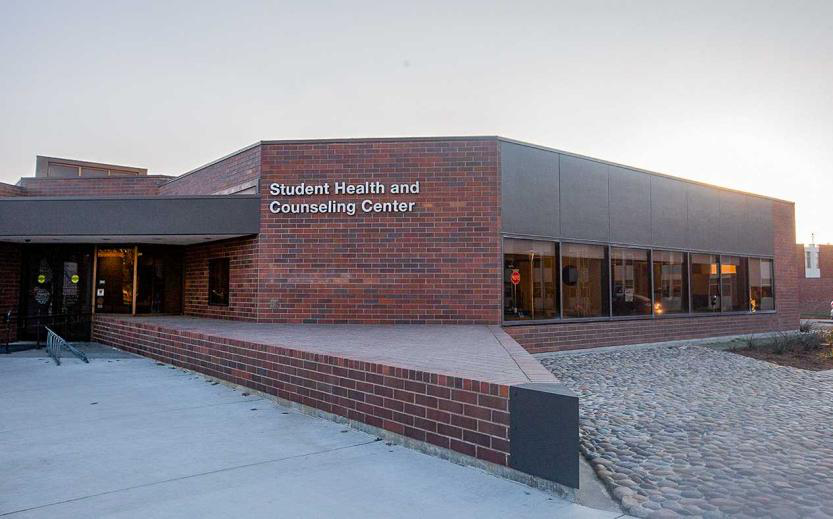
5044 North Barton Avenue, M/S HC 81
Fresno, California 93740
(559) 278-2734
Hours of Operation
Monday – Friday
8:00 am to 4:45 pm
Limited services available 12:00 pm to 1:00 pm
The Student Health and Counseling Center provides students with medical, health promotion and wellness services as well as psychological services on campus. The Health and Counseling Center is funded largely by your mandatory health fee. Because of this, most services are free or provided at a very low cost.
More information about their services can be found on their website.
PLAGIARISM WORSHOP
Got Plagiarism? Call Division of Graduate Studies for information?
Dr. Ida M. Jones and Professor Judith Scott have created the “Academic Integrity Workshop: Focus on Plagiarism” to help students identify and avoid plagiarism.
DIVISION OF RESEARCH AND GRADUATE STUDIES
Division of Research and Graduate Studies
Frank W. Thomas Building, Room 130
5241 North Maple Avenue, M/S TA51
Fresno, California 93740
(559) 278-2448
gradstudies@mail.fresnostate.edu
Office Hours
Monday – Friday
8:00 am to 12:00 pm & 1:00 pm to 5:00 pm
CSU FRESNO LIBRARY
At the Fresno State Library, you can check out a lap-top computer or use one of the computers there. You can print, scan or copy, check out books, or reserve a study room for yourself or a group. The library also provides instruction in subjects like information literacy, Endnote, and how to do a literature review. There are also several electronic databases of journals that can be accessed from the campus or from home. The library is also home to the Graduate Writing Studio.
Fresno State Library
5200 North Barton Avenue, M/S UL34
Fresno, California 93740
GRADUATE WRITING STUDIO
Graduate Writing Studio
Fresno State Library Room 2119
(559) 278-2450
Contact the Writing studio about appointments and hours of operation
GRADUATE WRITING STUDIO POLICIES
- You must be a registered Fresno State graduate student to use the services of the Graduate Writing Studio.
- Undergraduate students are not eligible for appointments. Undergraduates should use the Fresno State Writing Center or the tutoring services at the Fresno State Learning Center for their writing needs.
- Graduate students may reserve one, 50-minute appointment per week (M-F).
- Appointment slots are held until 10 minutes past the hour; after this time, the session will be given away to another student.
- Failure to attend a scheduled appointment without notifying GWS staff 24 hours in advance will result in cancellation of subsequent appointments.
- Consultants may work with students on projects, theses, or other longer papers as part of a Fresno State course assignment; consultants may also collaborate with students on professional development needs like cover letters for doctoral, employment, or scholarship applications. Otherwise, consultants are not permitted to advise students on written material unrelated to the pursuit and completion of a master’s or doctoral degree at Fresno State.
GRADUATE WRITING STUDIO PHILOSOPHY
The Graduate Writing Studio consultants view writing as constantly developing and changing, and they encourage students to engage in writing as a process through brainstorming, drafting, and discussing their work.
GWS consultants will meet graduate students at any stage of the writing process. However, consultants are not permitted to proofread and edit papers for mechanical and grammatical errors without explanation or discussion with the student.
GWS consultants are trained to promote collaborative learning, where the student is an active participant in the session; offer practical encouragement and constructive criticism; and direct students to resources that will help them continue their work independently after the session. The goal of each session is for the student to increase his or her skill level, confidence, and independence as a writer.
GWS consultants are trained as well to ask students questions about their writing goals and concerns. Given the length of most graduate-level writing assignments (e.g., theses, projects), consultants will not likely be able to review the entire piece of writing; students should be prepared to identify which portion or portions of an assigned writing task they wish to cover within the timeframe of the consultation.
NURSING RESOURCE CENTER (NRC) POLICIES
Mission
To provide a relaxed, safe, professional environment to learn, practice and demonstrate nursing procedures committed to relevant and realistic simulated experience to promote and provide quality nursing care.
NRC Hours
Monday 0730-1600
Tuesday CLOSED
Wednesday 0730-1600
Thursday CLOSED
Friday 0800-1300
* Hours subject to change in observance of holidays and special events.
Items for check out:
Assessment Kit- oto/ophthalmoscope, tuning fork, reflex hammer NURS 210 Faculty
Ages and Stages Questionnaires (ASQ) and Ages and Stages Social Emotional (ASQ/SE) can be provided by Graduate Program Coordinator.
Equipment – as available, to be arranged with the NRC coordinator.
NOTE: No videos, computer discs/programs or student projects will be checked out. Exceptions may be made for faculty classroom use of videos. Graduate students with outstanding equipment or fines will be denied graduation clearance until deficiencies are remedied.
KNORR SIMILATION LABORATORY (SIM LAB)
The Knorr Simulation Laboratory, or Sim Lab, is a collaborative project combining state and philanthropic support. A gift from the estate of Alpheda Knorr, who was head nurse supervisor of operating rooms at Valley Medical Center in Fresno, helped construct the nursing skills simulation laboratory.
“This is a significant addition to an important teaching and training resource that will benefit students, nurses, and health professionals across the region,” says Dr. Andrew Hoff, Dean of the College of Health and Human Services4. He notes that the facility will provide clinical training for students from nursing programs throughout the central San Joaquin Valley, as well as for employees of healthcare institutions, school nurses, and others.
CENTRAL CALIFORNIA CENTER FOR EXCELLENCE IN NURSING (CCCEN)
BACKGROUND AND PURPOSE
Creating the Central California Center for Excellence in Nursing (CCCEN) at California State University, Fresno is a commitment by California State University, Fresno to address the critical nursing shortage on a permanent basis with a well-thought-out action plan.
The center, which began in 2006, is taking a regionally and comprehensively focused approach, working in partnership with healthcare providers to develop the kinds of nursing specialists, leaders and educators needed to serve our diverse region.
GOALS
- Promote and enhance nursing education and practice at all levels.
- Connect alumni and community to the joint academic and service mission of the University, College of Health and Human Services, and School of Nursing
- Document the continuum of excellence in nursing education and leadership in the Central Valley through the Nursing Legacy Project, and
- Become a leader in resource development, supporting nursing education and research.
The Central California Center for Excellence in Nursing is positioned to provide strong, innovative, well-focused leadership that joins research, education, and the broadest range of health care resources to train and retain quality nurses to create a healthier Valley.
MISSION
The mission of the Central California Center for Excellence in Nursing (CCCEN) at California State University, Fresno is to create a culture of inquiry to advance nursing science and expand its regional leadership in graduate education, research, and practice.
Our graduate programs, at the master’s and the doctoral level, will provide leaders for academic and health care settings. Advanced practice nurses will fill important roles, increasing access to care in our underserved San Joaquin Valley region.
Another critical component of the Center’s mission is to advance nursing science through methodologically rigorous and collaborative research, focusing on health disparities in the region. The CCCEN will serve as a focal point for faculty, students, and community to develop research projects that demonstrate innovative health care delivery models in the community.
Inherent within the mission is the application of new knowledge to the practice of nursing in the community through sharing innovations in nursing care and delivering expert care to the underserved and vulnerable populations.
Central California Center for Excellence in Nursing
1625 East Shaw Avenue Suite 146
Fresno, CA 93710
559-228-2130
CLINICAL SITES
Fresno State maintains contracts with approximately 425 clinical sites. If you want to do clinical hours at a particular clinic, medical office, hospital, facility, etc., please check with the PMHNP Clinical Coordinator to see if we have a current contract. Do this early, since it may take several months to get a new contract signed. Remember that if you plan to complete any clinical hours in one of the local hospitals, your request must be entered into the computerized clinical placement system at the beginning of the semester before your clinical experience.
4 Dr. Andrew Hoff was named Dean of College of Health and Human Studies on May 6, 2009, and began his time as Dean on July 1, 2009.
Signature Page
Please type the following statement in your Course CANVAS on or before the student mandatory orientation day.
I have read and understand the contents of the current PMHNP Student Handbook.
Student Name (PRINT)
Student Signature and Date
This HTML version was generated with AI assistance and may contain errors or omissions. The original approved PDF remains the official document of record. An alternative accessible format is available upon request from the document creator in accordance with Title II of the ADA.