Oral Health Barriers for California’s San Joaquin Valley Underserved and Vulnerable Populations
Prepared by
- Marlene Bengiamin, PhD
- Amber Costantino, MA
- John Capitman, PhD
- Yesenia Silva, BS
- Hayam Megally, MPH
This report was supported by a grant from the DentaQuest Foundation

TABLE OF CONTENT
- FUNDING AND CONTRIBUTORS
- SUGGESTED CITATION
- ACKNOWLEDGEMENTS
- ABSTRACT
- INTRODUCTION
- Oral Health Influence on Overall Health
- Theoretical Frames for Understanding Disparity in Oral Health
- Oral Health Disparities in the Valley
- Oral Health Literacy
- RELEVANCE TO ORAL HEALTH 2020
- METHODS
- Procedure and sampling
- Measures
- Participants
- Education
- RESULTS
- Insurance Coverage
- Barriers
- Descriptive Analysis: Questions Not Included in Scales
- Scales Bivariate Analysis: Knowledge, Attitudes, and Needs
- Scales Multivariate Analysis: Knowledge, Attitudes, and Needs
- Knowledge of Unhealthy Behavior
- Knowledge of Healthy Behavior
- Needs Scale
- DISCUSSION
- Participants Characteristics
- Barriers
- Scales
- Knowledge of Unhealthy and Healthy Behavior
- Oral Health Needs
- NEXT STEPS
- LIMITATIONS
- REFERENCES
TABLES AND FIGURES
Table 1. Survey Distribution
Table 2. Survey Subscale
Table 3. Pearson’s r Correlations between Oral Health Scales
Table 4. Participant Demographics
Table 5. Population Estimates of Educational Attainment Compared to Self-Reported Educational Attainment of Survey Participants by County
Table 6. Participant insurance that covers some or all-Oral health expenses
Table 7. Percent Insurance Coverage Type by Demographics
Table 8. Barriers
Table 9. Percent Identified Barrier to Oral Health
Table 10. “Other” Barriers Identified
Table 11. Bivariate Analysis Survey Score Comparisons
Table 12. Unhealthy Behaviors and Attitudes: Interaction between survey site and ethnicity-language (marginal means)
Table 13. Unhealthy Behaviors and Attitudes: Interaction between survey site and ethnicity-language (marginal means)
Table 14. Needs Scale: Interaction between Insurance and Ethnicity-Language
Figure 1. Ethnicity-Language Categorization for Analysis (n = 659)
Figure 2. Education Categorizations for Analysis (n = 635)
Figure 3. Insurance Categorization for Analysis (n = 532)
Figure 4. Needs Scale: Insurance and Ethnicity-Language Interaction
Figure 5: Unhealthy Scale: Insurance Type, Ethnicity-Language, and Survey Site Interaction
Figure 6. Needs Scale: Insurance and Ethnicity-Language Interaction
FUNDING AND CONTRIBUTORS
This project was funded by the DentaQuest Foundation as part of the Grassroots Engagement Initiative, which seeks to engage populations most directly impacted by oral health inequity and to lift up their needs and values. This report provides findings from 14 sites, across four counties, (Fresno, Madera, Merced and Tulare), in the San Joaquin Valley. The findings have been shared with residents and community stakeholders who provided insights and feedback on recommendations and next steps. We would like to acknowledge the contribution of many Central Valley Healthy Policy Institute staff especially Jacqueline Cortez and Amy Ybarra for their great contributions to the data collection, and Amanda Conley for editing this report.
Marlene Bengiamin, PhD
Amber Costantino, MA
John Capitman, PhD
Yesenia Silva, BS
Hayam Megally, MPH
SUGGESTED CITATION
Central Valley Health Policy Institute (2017). Oral Health Barriers: Underserved and Vulnerable Populations in the San Joaquin Valley: California State University, Fresno.
ACKNOWLEDGEMENTS
The Central Valley Health Policy Institute would like to extend appreciation to the residents and organizations who made this report possible. We would also like to express gratitude to the clinics, community centers and organizations that generously opened their doors for us to complete data collections.
ABSTRACT
Oral health is recognized as an essential part of an individual’s overall health. The aim of this project is to understand how California’s San Joaquin Valley residents think about, feel about, and experience oral health services. This report presents findings from 659 surveys measuring healthy and unhealthy oral health knowledge, oral health needs and barriers. Surveys were collected at clinic and non-clinic sites throughout the San Joaquin Valley, an area characterized by its large Latino and immigrant populations, as well as its low levels of education and high levels of poverty. The results indicate disparities by ethnicity and language, insurance coverage, and education. The most common barrier to oral health care identified by all groups was cost of oral health services, with Spanish speaking Latinos and those without insurance being the most likely to identify this barrier. Non-Latinos with Medicaid or private insurance were most likely to identify receiving a timely appointment as a barrier to oral health care. In addition, results suggest high levels for knowledge of healthy behaviors and attitudes but less understanding, and more disparities, for knowledge of unhealthy behaviors and attitudes. In terms of knowledge of unhealthy behaviors, the advantages that we would expect to see at the clinics were not advantageous to Latino Spanish speakers and most advantageous to non-Latino English speakers. From our findings, we propose that oral health literacy is a key component to promoting oral health and preventing oral health diseases.
INTRODUCTION
Oral Health Influence on Overall Health
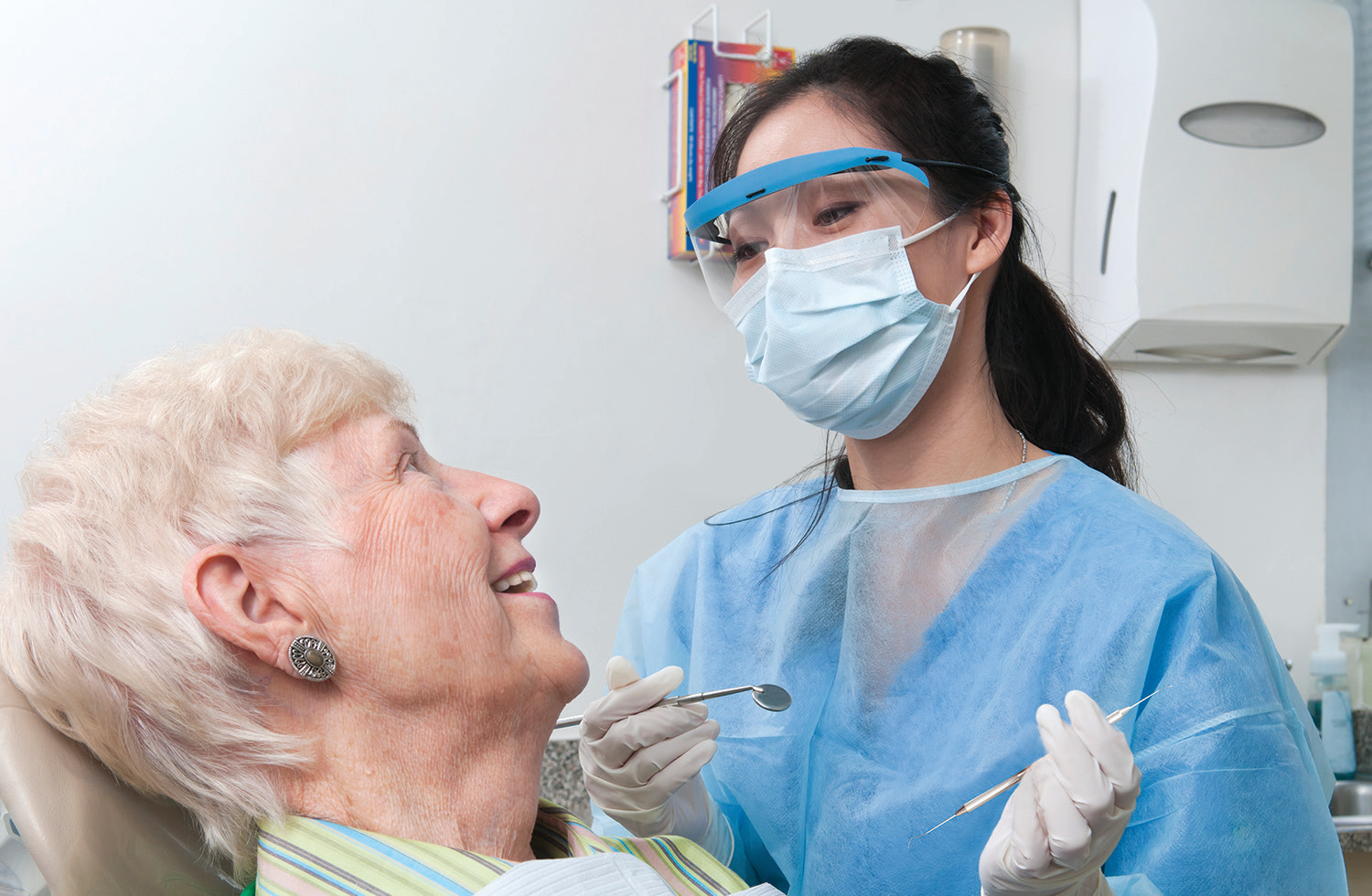
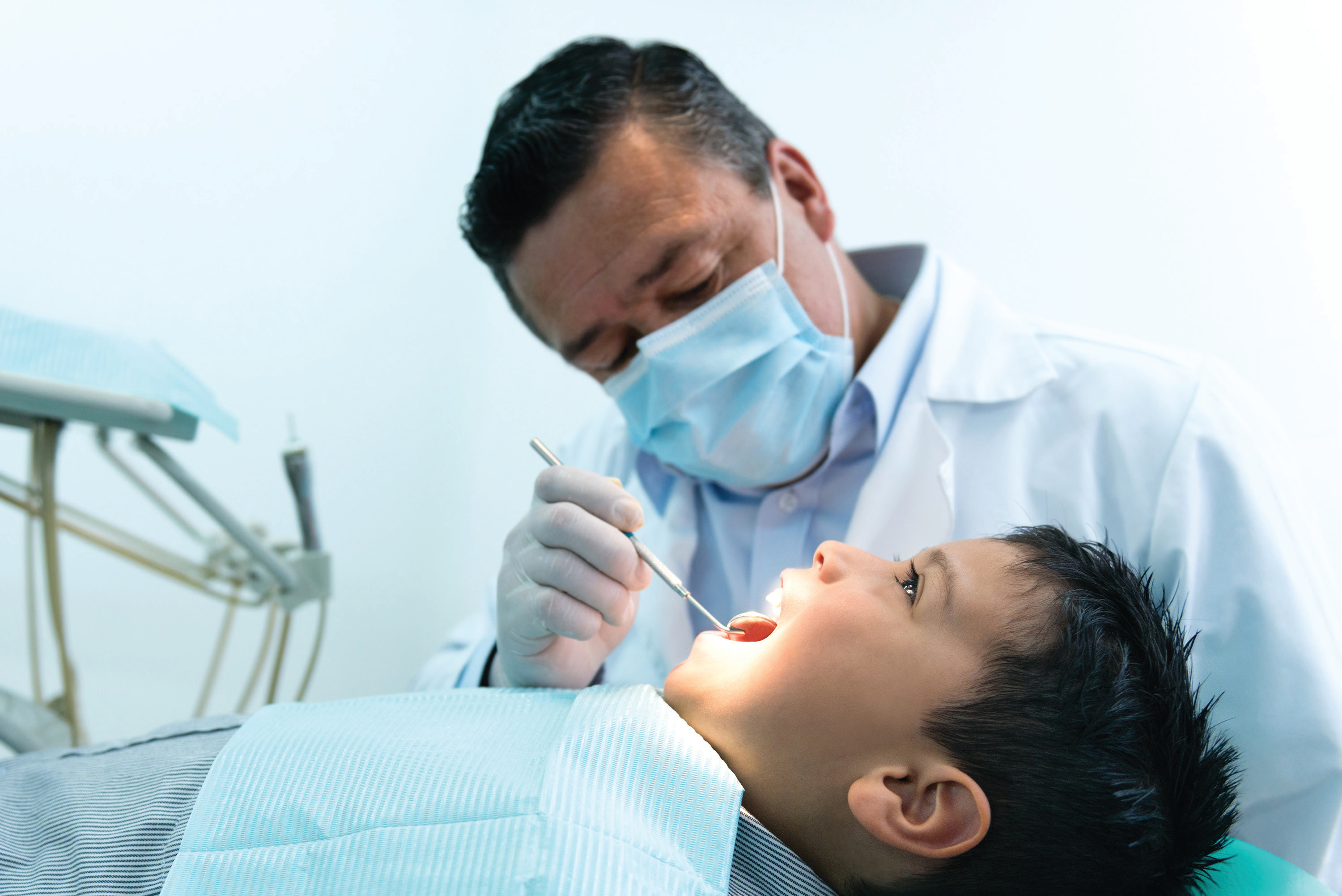
This report presents findings from an oral health survey that measured knowledge of oral health behavior and needs of an underserved population. Oral health was recently defined by the FDI World Dental Federation as multifaceted including the ability to speak, smile, smell, taste, touch, chew, swallow and convey a range of emotions through facial expressions with confidence