Building Healthy Communities Merced Summary Report
SUMMARY REPORT
Looking Back on 10 Years of Power Building in Merced

Executive Summary
The health of a community encompasses more than individuals not having diseases. While resident health involves physical and mental health, and general well-being, complete neighborhoods and communities also play a vital role. Overall, healthy communities prioritize and invest in all individuals to prevent diseases in the first place, and this is the foundation for health equity. Health equity means ensuring all individuals--regardless of race, ethnicity, age, documentation status, neighborhood residence, language spoken, or sexual orientation--are able to live a happy, healthy, and productive life.
Not all residents in Merced have had access to complete neighborhoods and communities. Historic racial division, inequitable city council and county representation, and divestment have left some communities lacking adequate resources, feeling powerless, and losing trust in local officials. In some cases, residents were unhealthy and unable to live in ideal conditions.
In 2010, Building Healthy Communities began to lead the efforts to empower Merced residents to transform their communities into environments where they want to live, raise kids, feel safe, and are healthy.
They did this through building authentic relationships with residents to listen and identify the community’s needs and concerns. Most importantly, BHC helped provide the capacity to make this change happen and worked alongside residents and advocates to see initiatives completed. The major areas of investment that TCE and BHC Merced targeted were Schools, Neighborhoods, and Prevention.
The following report highlights some of the impactful initiatives, processes, and main takeaways that BHC Merced and partners have tirelessly worked on over the last decade. Moreover, this report focuses on the value and contributions of the BHC Merced Collaborative to the transformation in Merced in the areas of:
- building lasting and sustainable partnerships
- strengthening health equity narratives
- expanding leadership and power building of youth and adults
- supporting policies that ensure access to healthcare and prioritize prevention
In community,
The Learning and Evaluation Team
Central Valley Health Policy Institute at Fresno State
Introduction
Building Healthy Communities (BHC) was part of a ten-year, place-based initiative to advance health equity at the local level beginning in 2010. This fourteen-site initiative, funded by The California Endowment, focused on advocacy work and capacity building for change in each geographic community. The role of BHC Merced was to convene local residents, leaders, organizations in The Merced Place (see Appendix A) and provide a platform to elevate their voices.
All-in-all, BHC was not about individual campaign wins. Structural barriers and long-term divestment from certain sections of the County have led to decades of poor health outcomes and incomplete communities, disproportionately affecting neighborhoods of color. BHC Merced has helped identify resident needs, built capacity for movements, and empowered residents to change the systems that did not effectively serve them. Residents always had the power to advocate for their wants and needs, they just needed the initial knowledge and resources to start.
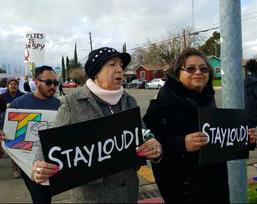
Change takes time and requires an enormous amount of effort. From late nights at City Council meetings to rallying on a hot Merced afternoon--BHC Merced, advocates, partners, and youth were there. They knew change does not happen overnight, but small wins can advance the larger goal of the coalition. During these last 10 years, there was a tremendous shift and transformation in capacity and policies enacted, which were made possible through built resident power.
Each section of this report is part of a larger story demonstrating BHC’s collective impact efforts and accomplishments. By highlighting community narratives of overcoming obstacles and the various wins, we see the dedication Merced residents had in advocating for and improving their own communities.
BHC Merced
- Provides advocates and residents with leadership training and capacity building
- Bridges new partnerships between communities and local decision-makers
- Helps increase opportunities for health equity across the County
Timeline Accomplishments
Residents have started to recognize the power their voices have in promoting community change. The Central Valley Health Policy Institute (CVHPI) at Fresno State University partnered with BHC Merced and partner organizations to collect data on the various initiatives and campaigns since 2010. The Action Teams and partner organizations recorded their progress and policy changes. This data was collected and organized from the Tracking Accomplishments Tool.
The BHC Accomplishments Timeline is a visual representation of the accomplishments that were made within schools, neighborhoods, and with prevention. For a comprehensive list of accomplishments BHC Merced and partners built to transform the Merced Place in these twelve domains, please see the BHC Accomplishments Timeline.
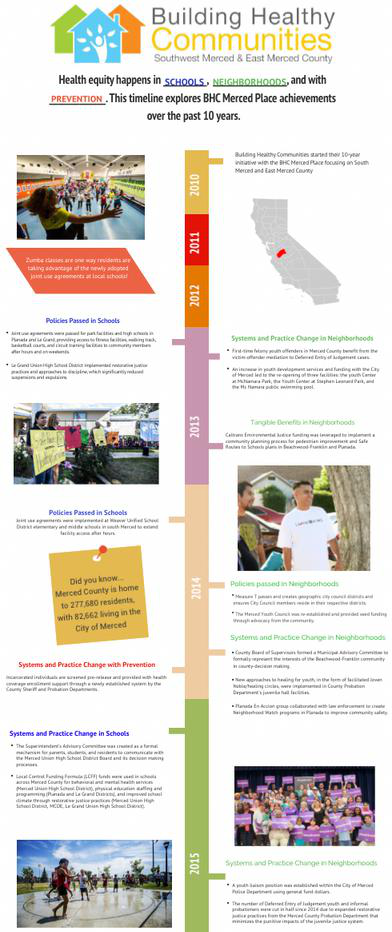
The timeline presents selected accomplishments in schools, neighborhoods, and prevention from 2010 through 2015. The complete timeline is linked in the preceding paragraph.
- The Superintendent’s Advisory Committee was created as a formal mechanism for parents, students, and residents to communicate with the Merced Union High School District Board and its decision making processes.
- Local Control Funding Formula (LCFF) funds were used in schools across Merced County for behavioral and mental health services (Merced Union High School District), physical education staffing and programming (Planada and Le Grand Districts), and improved school climate through restorative justice practices (Merced Union High School District, MCOE, Le Grand Union High School District).

Health Happens Here
Inequities in the neighborhoods we live and work in can ultimately have an effect on our overall health. Access to fresh and affordable food, safe streets and green space, exposure to air pollution, preventive health care, maintained infrastructure, and school climate can play both a direct and indirect role in the health of a community.
Our built environments are the result of local, state and federal policies. Local policymakers have the choice to prioritize communities, fix broken sidewalks and unkempt parks, or add stop signs at dangerous intersections. Funding and resources that should have been equitably distributed across cities and within communities have historically been funneled toward more affluent neighborhoods. Decades of divestment from low income neighborhoods and communities of color has widened the gap between affluent and poor parts of a city.
Zip codes can be good predictors of a community’s health and life expectancy. For example, residents from more affluent neighborhoods live 20 years longer than someone from a low-income neighborhood across town. BHC sought to address the historic lack of representation through active engagement with local residents about their needs and concerns, and together created new policies to end the decades-old laws responsible for the unequal neighborhood conditions and inequality.
Complete neighborhoods and communities
- Participation in public decision-making processes
- Easy access to clean drinking water
- Stores with fresh, affordable produce
- Safe streets and routes to school
- Park amenities
Theory of Change
The BHC Theory of Change is about building Merced’s community capacity through increasing social, political and economic power to change the narrative on health equity and policies and systems at the local, county, and state level. Over time, this should contribute to improved residents’ health outcomes and status on a population level. BHC is particularly focused on improving the social and health outcomes of populations that have been under threat such as Boys and Men of Color (BMOC), immigrants, LGBTQ, and formerly incarcerated. BHC has a special focus on strategies that enhance opportunity structures for these populations.
Drivers of Change
BHC’s approach using The Five Drivers of Change was designed to engage people most impacted by inequity to fully participate in remaking the policies and system practices that create and maintain the socio-ecological conditions occurring in lower income communities. Once the community’s needs were identified, these Drivers of Change were necessary to push the priorities forward and ensure people were involved and civically engaged in order to have a fully functioning democracy.
The Five Drivers of Change:
- Building people power
- Youth leadership development
- Multi-sector collaboration and policy innovation
- Leveraging resources and partnerships, and changing the narrative
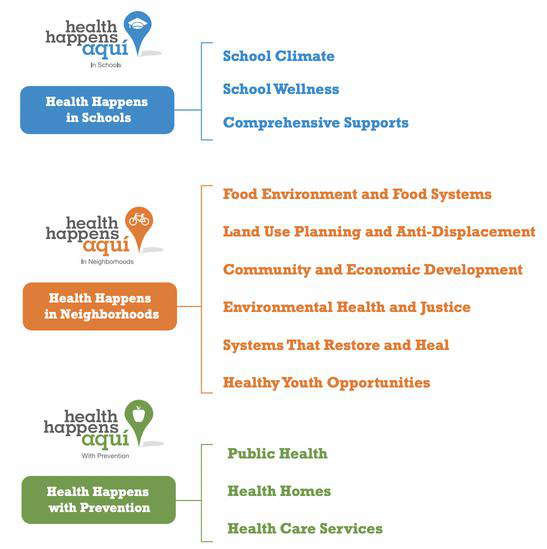
Health Happens in Schools
- School Climate
- School Wellness
- Comprehensive Supports
Health Happens in Neighborhoods
- Food Environment and Food Systems
- Land Use Planning and Anti-Displacement
- Community and Economic Development
- Environmental Health and Justice
- Systems That Restore and Heal
- Healthy Youth Opportunities
Health Happens with Prevention
- Public Health
- Health Homes
- Health Care Services
Health happens in Neighborhoods, Schools, and with Prevention
BHC Merced recognizes that health equity happens in places where we spend the most time. Community changes can materialize through involvement in local initiatives, advancing programs, and passing policies at the local government level and system level. This also can be achieved by changing the way systems and practices have been done in the past, and gaining tangible benefits such as funding and resources.
The BHC Merced collaborative is composed of the HUB, three action teams, grantee organizations, and residents. During this time the collaborative has been involved in both capacity building and policy and systems change in Merced with the goals of improving the local opportunity environment and community health.
The three action teams are:
- The Schools Action Team (SAT),
- The Neighborhood Action Team (NAT)
- The Prevention Action Team (PAT)
The work of the action teams falls within the transformative twelve, which are the systems and policy centers targeted for change. The graphic here shows the “Transformative Twelve” Policy Domains which emerged from the priorities identified by residents at each BHC site to transform local systems and policies to promote community health equity.
Health Happens in Schools
BHC Merced coalition and residents changed school systems and practices in Merced, including how school systems address the needs of their students and engage with community through the passage of the Local Control Funding Formula (LCFF) and the Local Control and Accountability Plan (LCAP) process. LCFF requires funds to be allocated to address the education inequities for low-income students, English learners, and students in foster care, and improve overall student outcomes. The LCAP guides how school districts will use their LCFF funds, with mandatory community and parent engagement. The main purpose of the LCAP was to form action plans, set goals, and reallocate resources that aim at improving student outcomes—all in partnership with the community.
"I thought that I was doing my job by sending my boys to school. I didn't really go to school, so I didn't know what else I could do beyond that."
Before BHC’s School Action Team and the Impact of BHC’s School Action Team
Before BHC’s School Action Team
- Community voices were excluded from agenda setting and decision making processes
- Access barriers at community meetings, monolingual and non-reflective of Merced communities
- Few community-based leaders in local school governing bodies
The Impact of BHC’s School Action Team
- Authentic community engagement met people where they are
- Voices of Parents and Youth were central to discussions and agendas
- Increased joint decision-making between parents, youth and schools
- More than 18 community-based leaders held seats in local school governing bodies
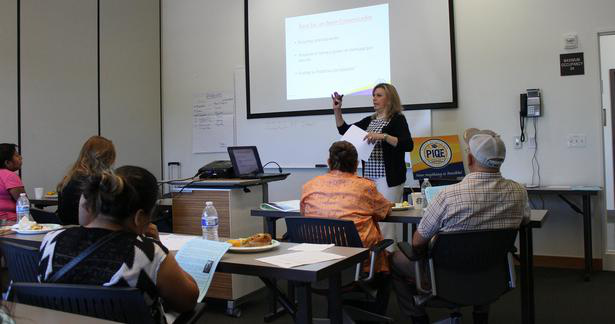
The BHC Merced and the School Action Team identified and provided resident training and supports in the following areas:
- Civic engagement training and advocacy tools
- Local governing body education
- Methods to address schools and school boards
- Technical training on LCAP processes and requirements
BHC Merced Training and Supports for Community Empowerment and Capacity: Long-Term Outcomes and Results
- Parents ensured LCFF funds were directly spent on student services and needed resources
- Some new services in schools include: additional behavioral health services, family resource centers, and interpretation equipment
- Parent analysis of supplemental money allocation intended for high-need students in schools budgets
- Parents identified a lack of transparency in school budget fund distribution and demanded change from both the school board and superintendent
Over $2.24 million from LCFF and grants secured for schools by BHC Merced partners
18 residents sitting in school-based leadership positions
Residents as Leaders - People Power to Change School Systems
Leading in Local Governance
Some residents became members of decision-making bodies. In 2019, there were about 18 residents sitting in leadership positions across the school districts in Merced, including Parent Teacher Associations and School Boards, and specifically worked with residents to support their involvement with the District English Learner Advisory Committee (DELAC) and English Learner Advisory Committee (ELAC) at different school sites.
Leading in Community Events
In 2018, residents organized an event to address community concerns around bullying. Parents were concerned students did not feel supported. Parents came together to host a community event at Gracey Elementary School that resulted in a play production by students about the effects of bullying. This provided an outlet for their creativity while addressing an important issue. Over 50 community members attended the event, including one Board member and the school’s principal. This event was accompanied by a resource fair. Following this event, there was an increase in district LCAP funding for an Emotional and Behavioral Support Center and eight additional behavioral support specialists.
The Black Parallel School Board: Leaders in Addressing Educational Disparities
In partnership with three Merced educational institutions, BHC partners and residents formed the Black Parallel School Board (BPSB) to work alongside the Merced Union High District School Board to acknowledge and address racial and related disparities. Since 2018, the BPSB has worked to:
- increase the acknowledgment of the racial and related disparities leading to poor outcomes of Black students
- engage in efforts to improve educational equity and improve academic outcomes for Black students.
The SAT's work has contributed to collective action, allowing others to organize within the school systems to identify and address disparities. For more information on the School Action Team, see the LCFF/LCAP Case Study.
Health Happens in Neighborhoods
For decades, certain Merced communities have been excluded from local decision-making processes. BHC Merced started by engaging residents in reimagining their neighborhoods and communities through a health equity lens. Adult allies and youth worked together to discuss issues their neighborhoods and communities faced. At the root of many of the resident-identified issues were race, ethnicity, and class injustices. There was a shift in how youth and their needs should be prioritized in Merced.
Since the Recession and budget cuts in 2009, the City of Merced lost millions of locally-controlled dollars intended for public safety and parks and recreation services. Starting in 2012, residents tried to advocate for the restoration of Merced City parks such as South Merced’s McNamara Park pool. Merced City Council supported opening the pool but avoided financial support with budget funds, despite less than 2% of the City of Merced’s discretionary funding going towards youth services and programs.
Although the park received the necessary funding to reopen the pool from community donors, residents were still unsure of the sustainability and future of park services. More community leaders got involved to advocate for more funding with the Invest in Youth Rally on May 30, 2012. The goal of the Rally was to stress the importance of youth investment and encourage the Merced City Council to show its commitment to youth by allocating an equitable percentage of the city budget every year towards youth activities and programs. In 2014, the City Council approved the establishment of a Youth Council with an initial budget of $12,500. This was the first time the City Council took any concrete action to invest in youth. These were pivotal moments that activated residents to realize they had the power to make a difference in youth’s lives.
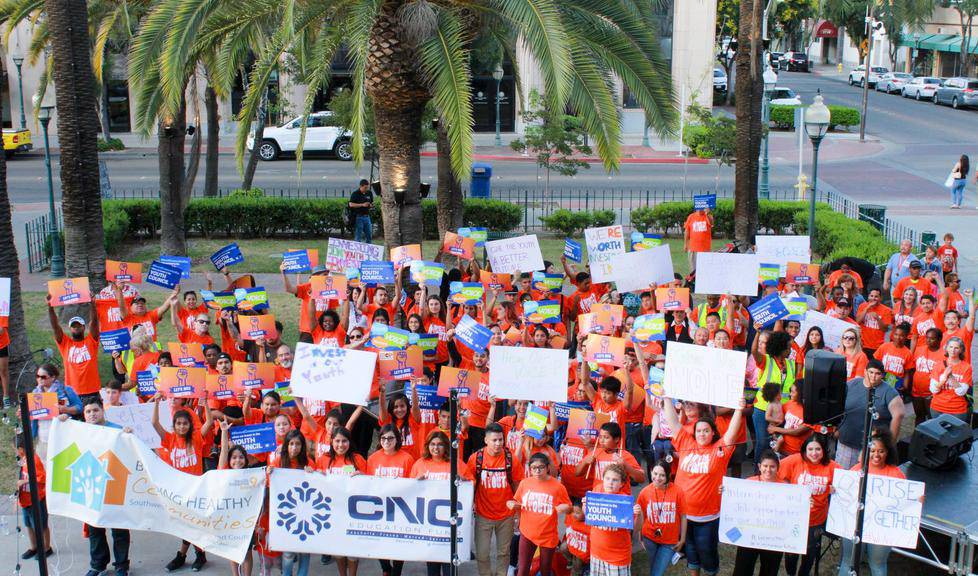
Similar community advocacy efforts happened in the Beachwood Franklin neighborhood with Safe Routes to Schools, in Planada with the pedestrian safety and parks improvement projects, and in the City of Merced with Measure Y funds going toward Parks and Recreation and youth services. Significant community wins for Beachwood-Franklin and Planada include a total of more than $8,982,000 leveraged funds to address infrastructure issues. The Measure Y campaign was part of BHC Merced’s long-term work around youth investment, and more broadly their continued efforts to lift community voice, leverage partnerships, and ensure that community is included in decision-making processes for the future of Merced. For more information on these please see, the A Decade of People Power Case Studies report.
$8.98 million
LEVERAGED FROM FEDERAL AND LOCAL FUNDS TO ADDRESS INFRASTRUCTURE IN MERCED COUNTY
NEIGHBORHOODS
"'Now, residents see the value in power building, and realize that it does work. Residents understand what people power is--and will understand why 'Si se puede' is important despite language barriers."
Residents as Leaders - Centering Equity in the Mayoral Forum Process
Youth recognized the need to hold mayor candidates accountable to all their constituents, and planned to hold the first-ever mayoral forum in South Merced. This event invited all the candidates running for Merced mayor in 2016. Youth and adult allies wanted to ensure that these forums were also moderated in Hmong and Spanish languages spoken in the community.
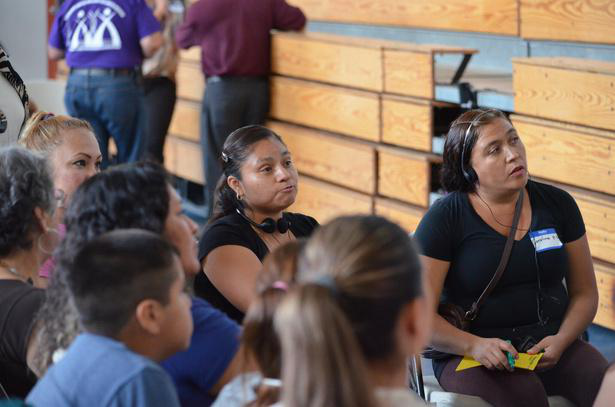
With the support of the BHC Merced coalition, the youth developed the script, moderated the forum, and asked the questions. Unlike other City events, it was candidates who received translation services, and not residents. Language translation included headsets for the candidates so that they could hear directly from resident-voiced questions and comments. Questions for the candidates involved topics such as youth investment, safe and clean parks, youth recreation use, access to healthy food, and neighborhood safety. Candidates appreciated learning about what issues youth in South Merced prioritized most. Youth felt a sense of power participating in important work that shaped their communities, and were interested in continued participation in local and civic government.
Health Happens with Prevention
According to the Merced County 2016 Community Health Assessment, nearly 44% of adults reported difficulty finding or delaying healthcare.
One of BHC Merced’s main goals is to promote health equity. Health equity entails healthcare coverage for everyone, ease in accessing health services when they need it, and preventing diseases before they happen. Since 2010, BHC paved new communication channels and collaborations with the Merced County Department of Public Health and multiple community organizations. The Department of Public Health and advocates were challenged to have conversations about the disproportionate impact and raising awareness that undocumented families face in lack or limited access to care.
For example, the Merced County 2016 Community Health Assessment was a large collaboration with the Merced County Health Department, BHC Merced, Central California Alliance for Health, First 5 Merced County, United Way, University of California Merced, and all the health and medical centers throughout the county. There was authentic engagement with the community and each organization provided input toward the development of this assessment, which included information about access to care issues, prevalence of chronic diseases and leading causes of death, and health throughout each stage of life. Conversations and resident narratives brought a new level of awareness to many of the health problems Merced residents faced. This report and related strategizing conversations were followed by the Merced County Community Health Improvement Plan, which sought to improve some of the stark health disparities identified in the Community Health Assessment. BHC Merced and partner organizations worked together to strategize ways to address these health issues, identify gaps in care, and promote health equity throughout the county.
Residents as Leaders - Health Equity with the Health4All Campaign
Residents and local organizations had already been working on advocacy for undocumented immigrants in Merced. BHC Merced, residents, and the Prevention Action Team (PAT) helped identify that there was widespread support for immigrant rights and advocating for healthcare as key community priorities. The PAT, with the expertise of the Merced Organizing Project, organized a meeting with Merced residents to discuss the need for health insurance for local Merced immigrants. As a result, a series of forums were put together for residents to tell their stories and express their stance on Health4All.
The Health4All campaign opened up conversations about who should be covered, particularly at a time when the Affordable Care Act specifically excluded undocumented individuals. California Senate Bill 4 would allow all qualified children to have insurance through Medi-Cal, regardless of documentation status. MOP continued to build capacity at the different partner sites, significantly increasing resident involvement.
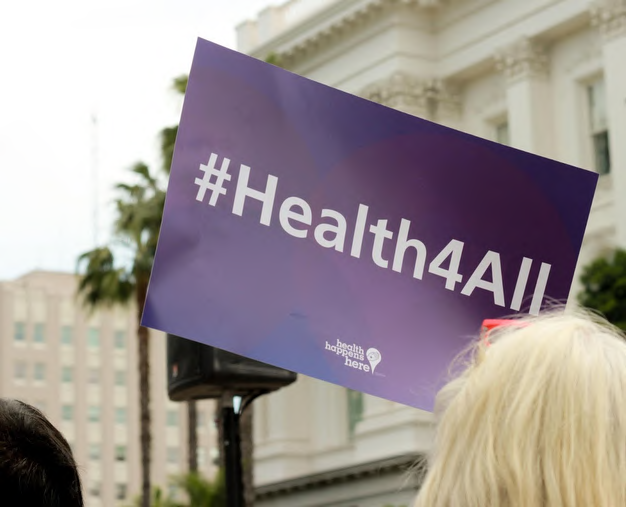
Residents were ready to be heard at the state level. The Prevention Action Team and residents put together town hall meetings. During the planning phase, residents co-created the agenda and participated by telling their stories. Resident voice and ownership was evident.
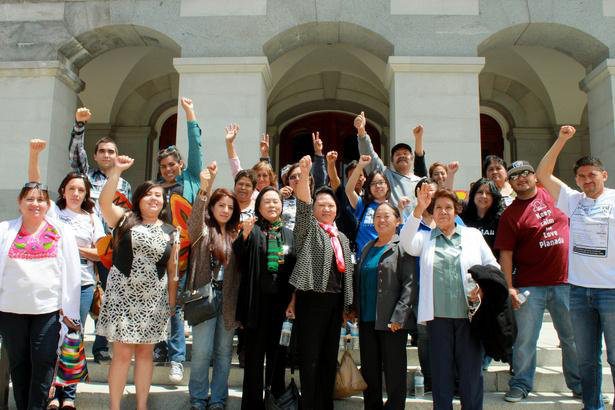
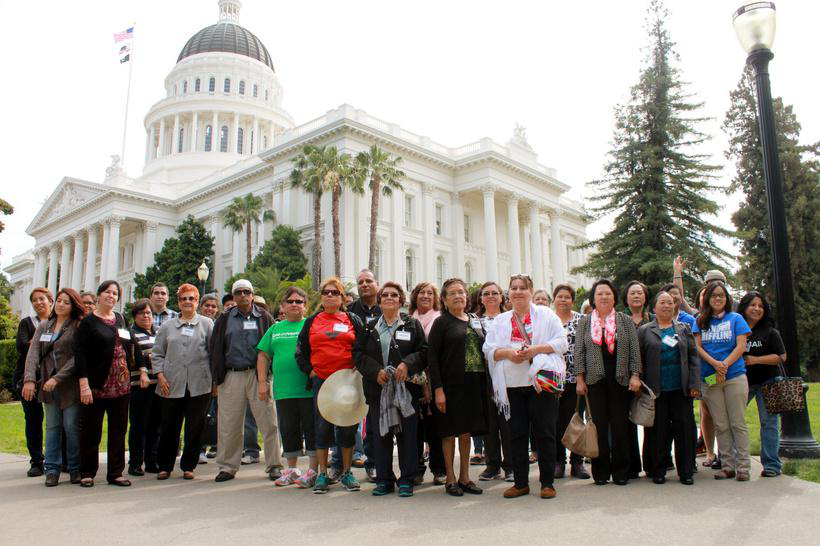
Residents joined together to represent Merced at Immigrant Day 2015. Over 50 residents traveled to Sacramento to meet with their assembly members. Before their participation in this statewide campaign, efforts to get the assembly member to attend local forums were unsuccessful. The commitment and personal stories of the residents had a significant effect on the perception and support from statewide leaders.
After resident advocacy efforts in Sacramento, the assembly member attended town halls and publicly committed his support for the Health4All legislation for the first time. When legislation for healthcare coverage for undocumented children (SB4) was passed, local representation in both houses supported the bill. For more information on the Health4All Campaign and Initiative, see the Report.
Measuring Health Equity-Based Changes in Merced County
The Central Valley Health Policy Institute conducted an archival analysis and created a tool to objectively measure health equity-based policy changes over time in Merced County from 2010-2018. This is a way to study the effect of the Building Healthy Communities’ collective impact effort on Merced and to determine if the changes (policies and practices) were due to an evolution in resident power and the efforts of BHC Merced producing a ripple effect in the community.
The CVHPI Learning and Evaluation team:
- Used the Social Determinants of Health framework to develop indicators of equitable improvements
- Used local government documents, including public meeting agendas and minutes
- Identified mobilized efforts on health equity issues, support or opposition from leadership, allocated/utilized resources, and changes in health equity narratives over time
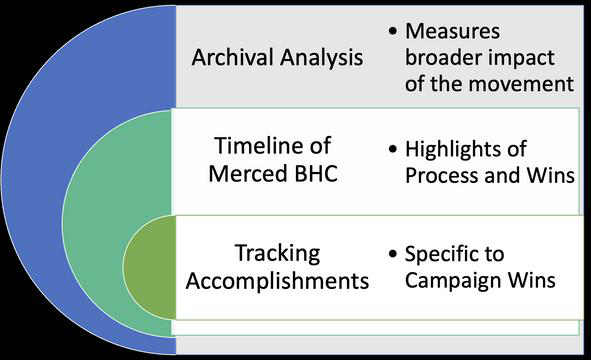
- Archival Analysis
- Measures broader impact of the movement
- Timeline of Merced BHC
- Highlights of Process and Wins
- Tracking Accomplishments
- Specific to Campaign Wins
Archival Analysis Findings
- There was an increase in investments for health equity.
- An increase in community leaders effectively advocating for change at the policy and system levels.
- At the county level, opportunities for public engagement remain low, but there was an increase in public comment.
The first clear example of community interests permeating local legislative bodies occurred in 2013 when the issue of language barriers in civic engagement and the need for interpretation services for meetings was raised.
Merced BHC Partners distributed a letter about the lack of Hmong and Spanish interpretations at City Council meetings
- Shortly after, the City Council adopted a policy on providing interpretation services at all regular City Council meetings and the two annual City Council Town Hall sessions intended to gain citizen input.
- Within the same year, interpretive services were included in the budget.
These efforts highlight the relationship building that BHC started to engage with in order to bridge community relations with local legislative bodies. Overall, the archival analysis tool is one part of a bigger story showing what was accomplished by BHC’s collective impact effort and supplements other sources of data collected. For more information, please see the Archival Analysis Tool.
What's Next, Planning Forward
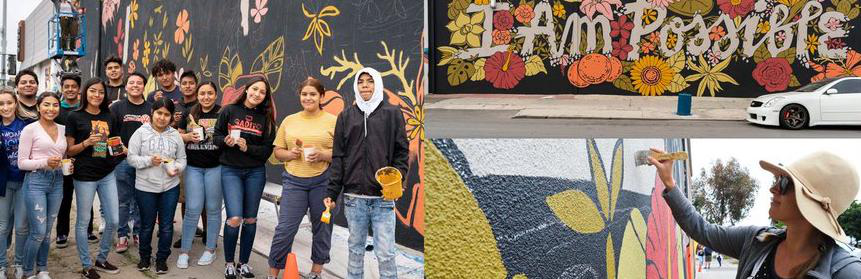
BHC Merced built a Merced that values each individual and family equally. Although the work is not finished in ensuring all Merced residents achieve health equity, and there is still more work to do, BHC Merced has instilled a vision of hope. The people of Merced have changed the narrative—or the story of what Merced is and what it is becoming: a healthy and thriving place for all who live here. Based on the past 10 years of social justice and health equity work, the community has learned valuable lessons it will take with them for the next 10 years and for many generations to come.
Even as the COVID-19 pandemic has tragically impacted Merced in inequitable ways, particularly affecting communities of color, migrant farmworkers and other essential workers. BHC Merced partners informed California Legislature by using non-partisan and non-lobbying education and information about farmworkers, COVID positivity rates, prevalance of large low-wage households, emergency paid leave, and undocumented family needs to advocate for Merced communities disproportionately affected by the COVID pandemic.
BHC Merced and the Merced County Department of Public Health also secured $150,000 in funding and established a partnership to provide resident-centered COVID-19 training, education, and resources to county residents. The COVID-19 Hardship Pilot Program was launched to assist uninsured clinic patients who are seeking, but cannot afford, medical services during the pandemic. This resident-informed pilot program will advance long-term health access for all county residents.
This summary report showed examples of long-term collective impact that BHC Merced had throughout Merced County, the City of Merced, and surrounding communities. The featured stories, linked documents, and tools are all available for partners and interested advocates to use to inform their advocacy work. BHC has built the power within communities, who are now transformed and ready to tackle new challenges that come their way. BHC Merced will continue to impact Merced and participate in regional dialogues to move the work forward. Many partner organizations part of the coalition have laid roots here, and are here to stay. The work will continue with momentum, stronger than ever before.
Appendix A - The Merced Place
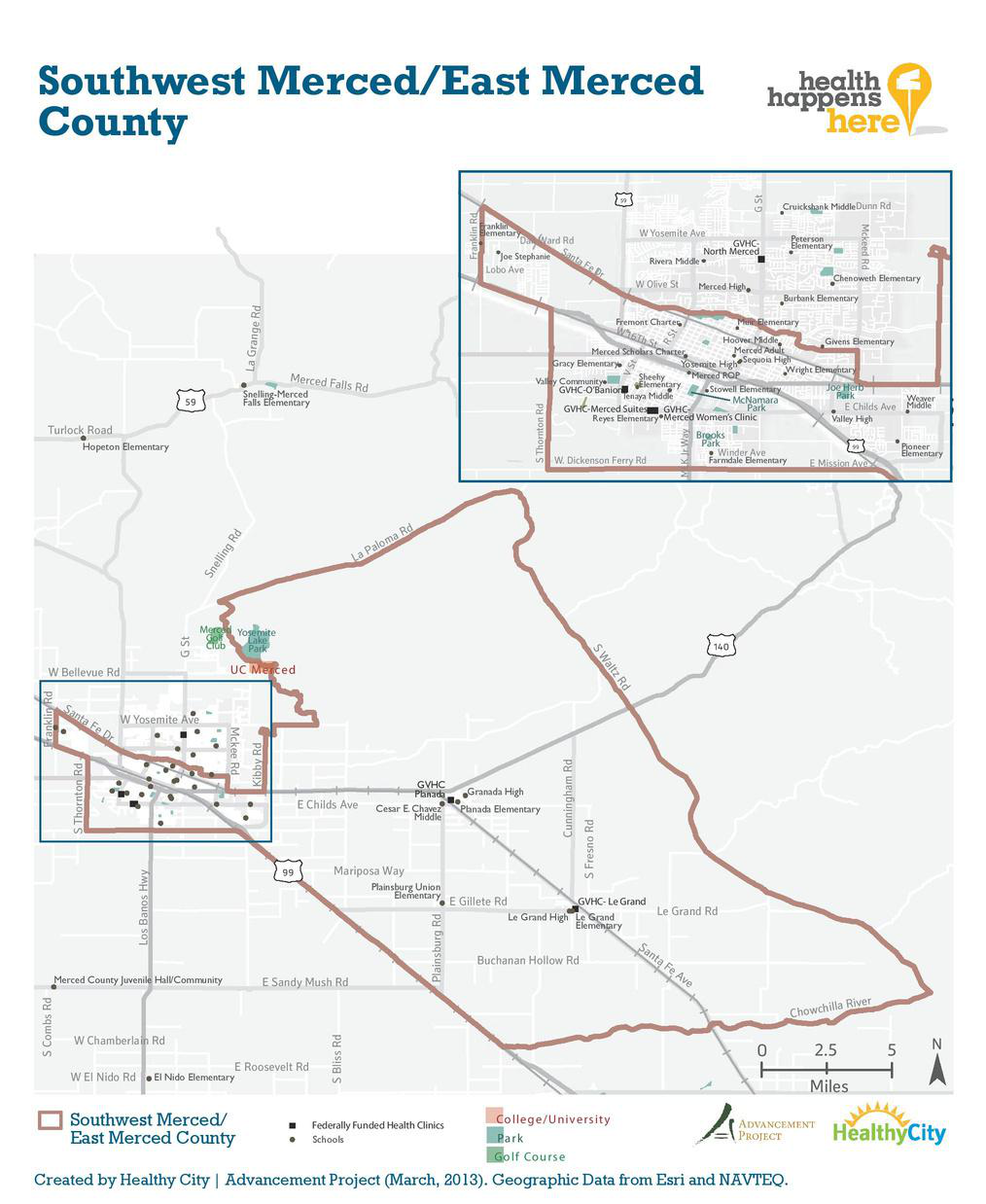
Map legend:
- Southwest Merced/East Merced County boundary
- Federally Funded Health Clinics
- Schools
- College/University
- Park
- Golf Course
Created by Healthy City | Advancement Project (March, 2013). Geographic Data from Esri and NAVTEQ.