COVID-19 Variants

What is a variant?
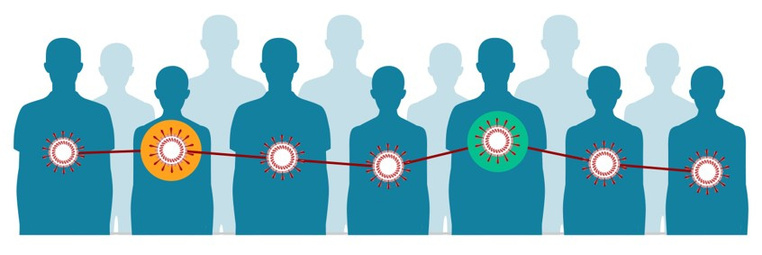
Viruses are constantly changing. They are so small that these changes in the genetic code can lead to a variant.
New variants are expected over time, but not all survive and some disappear. Since the COVID-19 pandemic, several COVID-19 virus variants have been found in the United States.
What makes them different?
Some of these changes allow viruses to spread more easily, become more resistant to treatments or vaccines, and/or make it easier for people to get infected again.
What are the COVID-19 virus variants?
The COVID-19 virus variants have been found all over the world. They are grouped into two categories: Variants of Interest and Variants of Concern. Variants of Interest may become Variants of Concern. This is why scientists pay close attention to them.
Variants of Concern may spread faster or change the way we treat COVID-19 patients. Vaccine protection may also change with Variants of Concern.
You can help prevent the spread of variants by:
- Being vaccinated
- Wearing a mask
- Social Distancing
MORE INFORMATION
Please visit the CDC or WHO websites at:
CDC website: https://www.cdc.gov/coronavirus/2019-nCoV/index.html
and WHO website: https://www.who.int/emergencies/diseases/novel-coronavirus-2019


FresnoCEP.org

What do I need to know?
The current Variants of Concern are Alpha, Beta, Gamma, and Delta.
The Delta variant is currently the most common Variant of Concern. It is more contagious than other variants. The CDC states that "the greatest risk of transmission is among unvaccinated people who are much more likely to contract, and therefore transmit the virus."
If vaccination rates remain low, possible Variants of Interest may become Variants of Concern.
What if I am vaccinated?
Vaccines are still the most effective way to prevent sickness and hospitalizations related to COVID-19. All three available vaccines are effective for prevention.
Even after vaccination, it is still important to continue preventative measures. Continue to follow guidelines and honor each location’s COVID-19 policies.
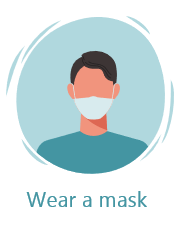
Wear a mask.
What if I am not vaccinated?
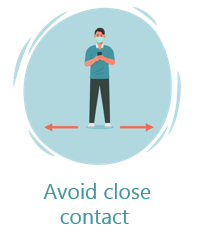
For people who are not vaccinated against COVID-19, continue to exercise best preventative practices. This includes wearing a mask, frequent COVID-19 testing, and physical distancing of six feet.
-
Avoid close contact.
-
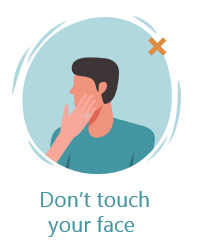
Do not touch your face.
-
Clean your electronics.

-
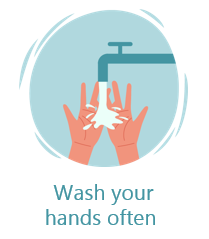
Wash your hands often.
MORE INFORMATION
Please visit the CDC or WHO websites at:
CDC website: https://www.cdc.gov/coronavirus/2019-nCoV/index.html
and WHO website: https://www.who.int/emergencies/diseases/novel-coronavirus-2019


FresnoCEP.org
This HTML version was generated with AI assistance and may contain errors or omissions. The original approved PDF remains the official document of record. An alternative accessible format is available upon request from the document creator in accordance with Title II of the ADA.