Invest in Southwest
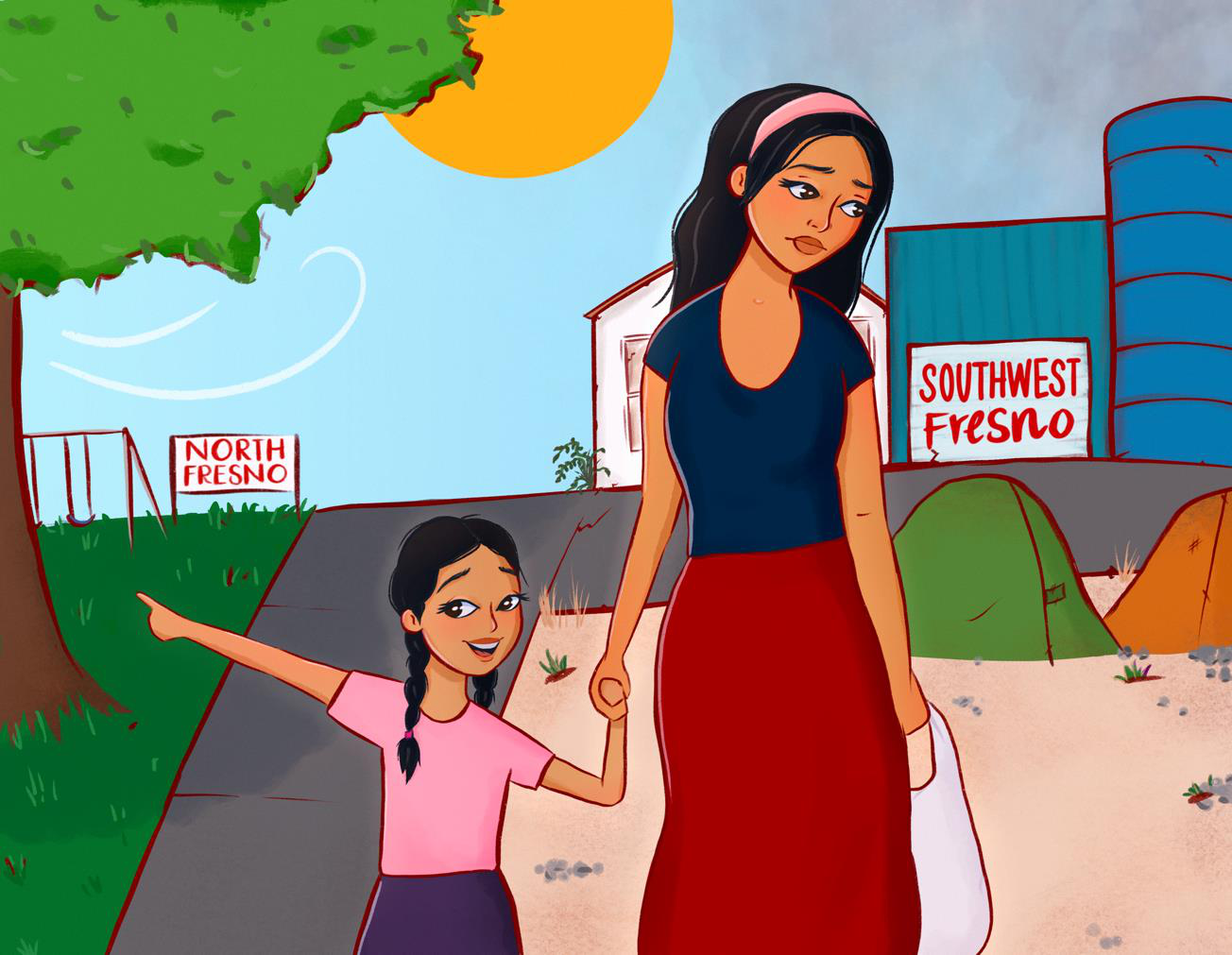
COMMISSIONED BY THE CALIFORNIA ENDOWMENT
SEPTEMBER 2021
TABLE OF CONTENTS
- ACKNOWLEDGEMENTS — 3
- FUNDING AND CONTRIBUTORS — 3
- CONTRIBUTING AUTHORS — 3
- AUTHOR NOTE — 3
- SUGGESTED CITATION — 3
- INTRODUCTION — 4
- The Southwest Specific Plan & Transformative Climate Communities — 7
- Southwest Fresno Has the Highest Pollution Burden in California According to CalEnviroScreen — 8
- Even the Air is Unequal — 9
- THE SOUTHWEST SPECIFIC PLAN — 10
- The SWSP — 10
- The SWSP Steering Committee — 10
- Community Engagement: Confronting a History of Exclusion — 11
- The Fresno BHC Coalition: Working Together — 13
- Authentic and Transformative Community Engagement — 14
- The Obstacle: Industrial Zoning and the SWSP — 14
- Overcoming Obstacles: Community Control over New Industrial Zoning — 15
- Lessons Learned: SWSP Reflections from the Fresno BHC Coalition — 16
- Fresno BHC: Coalition Building Behind the Scenes — 19
- Racial Equity in Land-Use Planning — 20
- TRANSFORMATIVE CLIMATE COMMUNITIES — 21
- Making the Connection: TCC and the SWSP — 21
- Business as Usual: Distribution of Public Funds and the 1-Mile Radius Plan — 22
- Fresno BHC Coalition Advocates: Gaining Community Trust — 25
- Strategic Growth Council: Community Bringing the Data Together — 26
- Southwest Fresno Goes to Sacramento: Strategic Growth Council Meeting — 27
- Different Plans, Different Visions — 28
- Democracy in Action: Selecting a Plan for TCC — 28
- The Fifth Plan — 28
- Looking Ahead: The Future of SWSP and TCC — 32
ACKNOWLEDGEMENTS
The Central Valley Health Policy Institute would like to extend appreciation to the residents, advocates, and organizations who made this report possible. We would also like to express gratitude to the community centers and organizations that generously provided space for communities to come together for discussion, and recognize the contributions of the Fresno Building Healthy Communities.
FUNDING AND CONTRIBUTORS
The California Endowment and Fresno Building Healthy Communities commissioned this report to highlight the story of how the community helped shape the Southwest Specific Plan and Transformative Climate Commission funds for the City of Fresno. In particular, Fresno BHC sought to elevate community voices to better understand the key actors and factors involved in the planning and advocacy of these investments, and how community residents collaborated to bring change to these historically disenfranchised neighborhoods. The California Endowment contracted with the Central Valley Health Policy Institute (CVHPI) at Fresno State to use historical data, maps of Fresno, planning meeting minutes, community organizing plans and priorities, key informant interviews, and environmental and health data to support and report the findings. We would like to thank Cid & Macedo, Inc. staff for the graphic design of this report. We would also like to acknowledge the contributions of CVHPI and BHC staff Sonia Mendoza, Harman Araich, and Tishanna Dillard.
CONTRIBUTING AUTHORS
Amanda Conley, MA
Guadalupe Corona
Karina Corona
Jazmine Kenny, MSPH
Tania Pacheco-Werner, PhD
AUTHOR NOTE
This policy brief was supported through a grant from The California Endowment to the Central Valley Health Policy Institute at Fresno State. The views expressed in this policy brief are those of the authors and do not necessarily reflect those of the funders or the University.
SUGGESTED CITATION
Central Valley Health Policy Institute. (2021). Invest in Southwest: California State University, Fresno.
INTRODUCTION
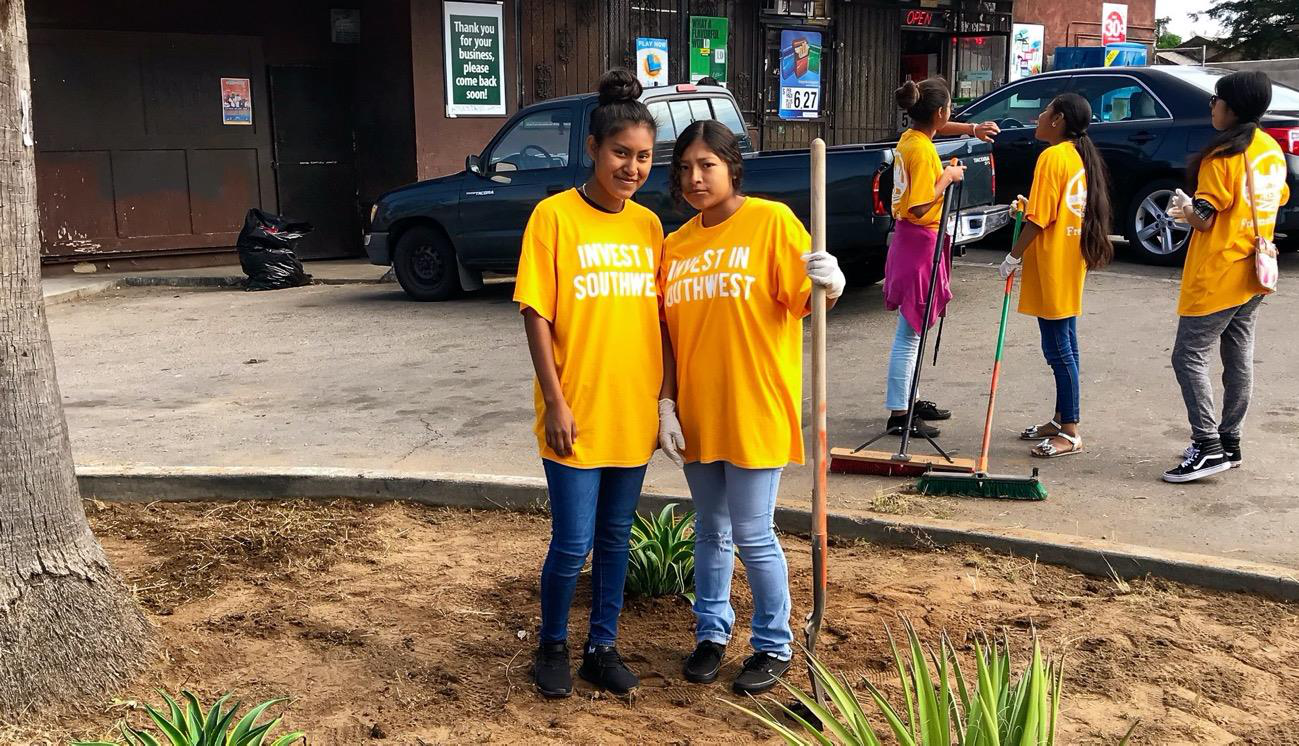
Photo by Francisco Espinoza
Since 2010, Fresno Building Healthy Communities (BHC) has created long lasting, positive change in the community, centering the voices of everyday people in important decisions about their lives and neighborhoods. In order to build long-lasting change, resident and advocate-driven work has needed to address and correct Fresno’s legacy of discriminatory neighborhood, housing, land use, and planning policies, including ongoing battles to reverse the impacts of redlining and ongoing community-level disinvestment. The results of this legacy have resulted in southwest Fresno being one of the most pollution-burdened locations in the state. Through vibrant community engagement, community organizing, advocacy, litigation, and large-scale voter education, the Fresno BHC Coalition emerged as a key player that helped the community to design southwest Fresno’s future.
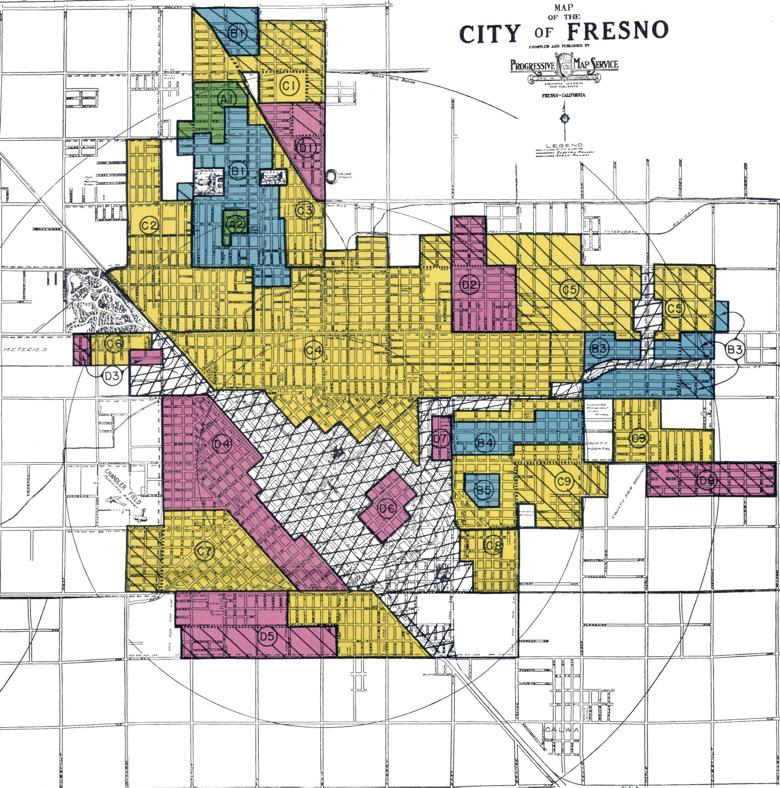
In the early part of the twentieth century, systematic discrimination and segregation—enforced through codes and policies—formalized disinvestment and set the tone for harmful land use planning in Southwest Fresno. Policies such as redlining excluded southwest Fresno residents from low-interest, long-term loans for homeowners or new homeowners, by singling out their community for disinvestment through color-coded maps (i.e., “residential safety maps”) which determined which areas were considered “safe” investments. “Risky” investments were colored red. Despite factors including social class, racially diverse neighborhoods consistently received lower grades. Neighborhood segregation was reinforced through land use controls, deed restrictions, and zoning regulations. As a result, industries that increased pollution burden and contributed to health risks were placed within growing residential neighborhoods.
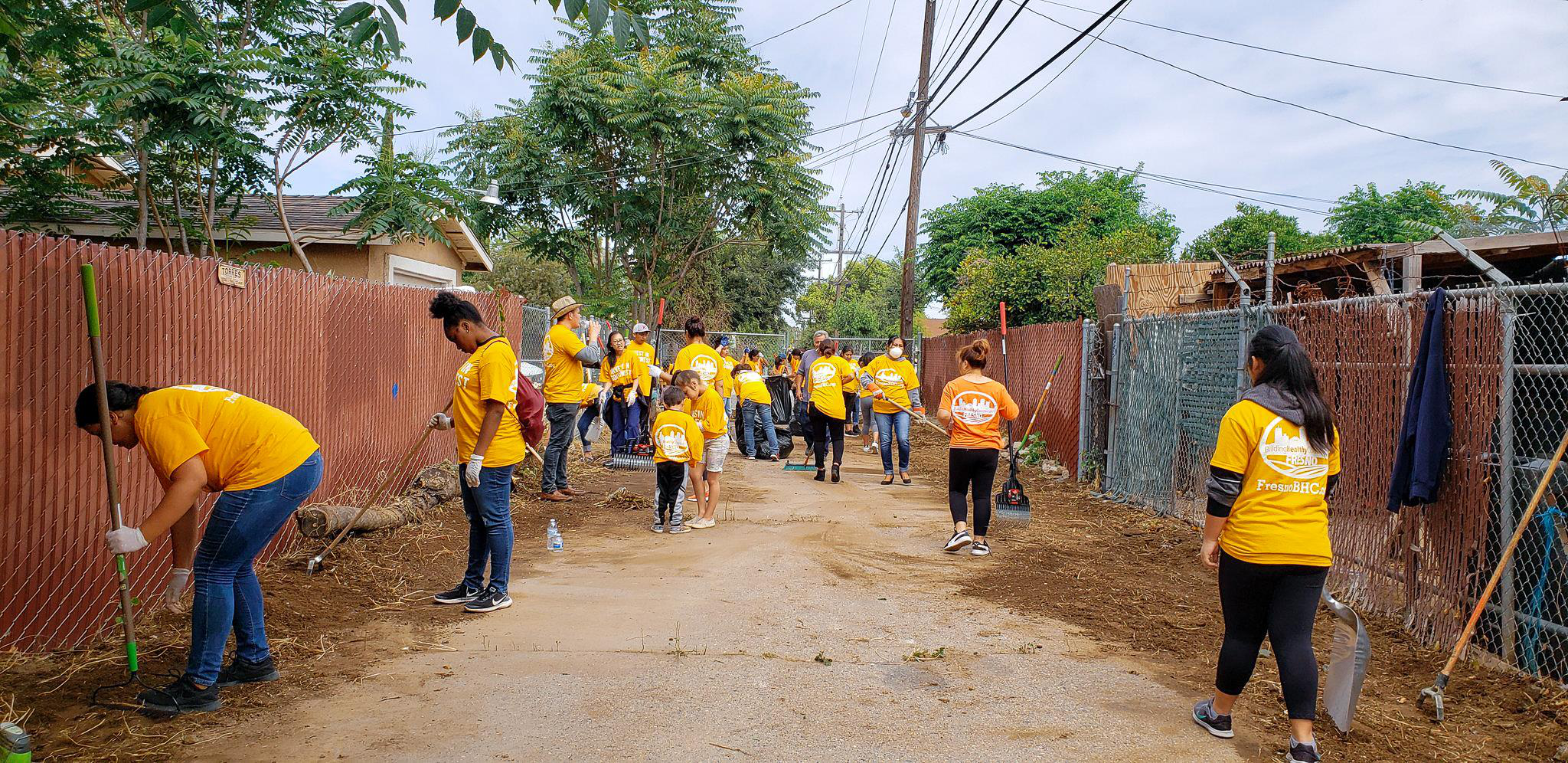
The Fresno BHC Coalition took part in numerous community conversations to ensure that everyone was educated about industrial zoning and why this was an important community issue.
Fresno Building Healthy Communities
The Fresno Place, central, southeast and southwest, is one of fourteen Building Healthy Communities (BHC) sites throughout California taking part in a 10-year place-based initiative, from 2010 to 2020, supported by a $1 billion investment from The California Endowment (TCE), to advance statewide policies that directly address health inequities at the community level.
- The high concentration of industrial zoning in southwest Fresno has roots in racialized housing and neighborhood segregation.
- Even as legalized housing discrimination ended, industrial zoning remains a racial and economic justice issue in southwest Fresno. While residents were told the businesses located in industrial zoned areas were potential employment drivers, data has demonstrated that few residents in southwest Fresno are employed by those businesses.
- Industrial zoning is harmful to the community and contributes to higher levels of air pollution. This carries additional health implications including high rates of asthma and premature birth, and lowered life expectancy, ultimately reducing a community's well-being and opportunities to thrive.
Figure 1. A 1936 original Fresno "residential security map" created by the Home Owners' Loan Corporation which used a grading system to measure the desirability of an area.1
At the beginning of the initiative, the Fresno BHC Coalition held numerous community conversations in central, southeast and southwest Fresno to identify community priorities and develop a vision for how residents wanted their neighborhoods to change. Over time, the Fresno BHC Coalition has been made up of work groups and teams that focus on health equity issues and policy change. It is through this process that the Fresno BHC Coalition has been directly involved in (a) land use and planning efforts, including ensuring community and youth engagement in the Fresno General Plan process and the Fresno Parks Master Plan updating process, (b) the City’s plan for an Industrial Compatibility Assessment (ICA), and (c) efforts to remove the meat-rendering Darling Ingredients plant, currently situated within a southwest Fresno residential neighborhood. Two major initiatives were the main drivers of change that provided the land use, zoning instructions, and investment to create a more equitable southwest Fresno region. The Southwest Specific Plan (SWSP) provided the land use and zoning guardrails for any future polluting, and the Transformative Climate Communities (TCC) mapped where specific investments would benefit residents, all with attention to protecting communities from gentrification. By learning from past mistakes in land use policy, residents and community leaders were the experts in mapping out a vision of long-term equity.
1 Robert K. Nelson, LaDale Winling, Richard Marciano, Nathan Connolly, et al., “Mapping Inequality,” American Panorama, ed. Robert K. Nelson and Edward L. Ayers, accessed April 26, 2021, https://dsl.richmond.edu/panorama/redlining/#loc=13/36.744/-119.818&city=fresno-ca.
The Southwest Specific Plan & Transformative Climate Communities
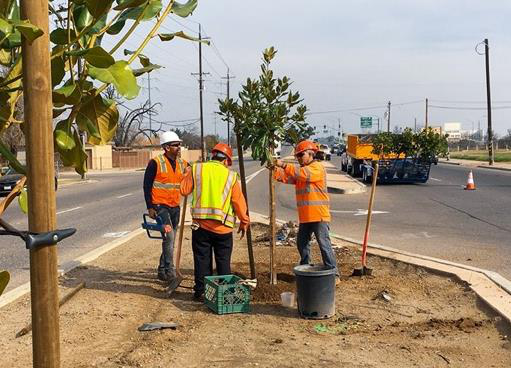
Beginning in 2015, the Fresno BHC Coalition, played a pivotal role securing major victories for healthy communities in southwest Fresno through participation in the Southwest Specific Plan (SWSP) process, which built an area-specific plan based on community-identified priorities and their vision for flourishing neighborhoods. Shortly after, Fresno received $70 million from the California Transformative Climate Communities (TCC) Program, based on the pollution burden faced by southwest Fresno residents. While the TCC funds were initially earmarked for projects outside of southwest Fresno, the Fresno BHC Coalition leveraged their strong community base to fight for and win $66.5 million for southwest Fresno and surrounding neighborhood investments to make the community priorities from the SWSP a reality.
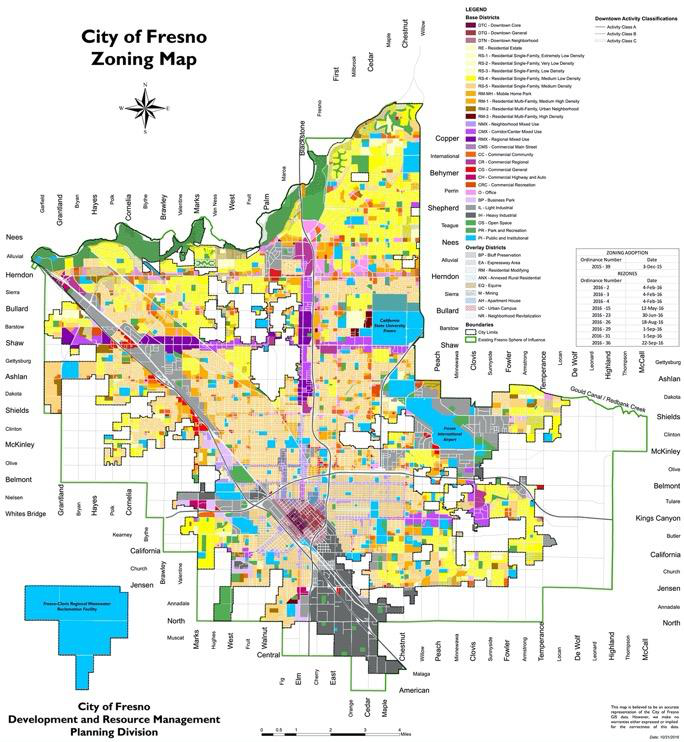
Figure 2. City of Fresno Zoning Map Prior to Southwest Specific Plan, showing a large concentration of industrial zones next to residential zones in the southwest region of Fresno.
Southwest Fresno Has the Highest Pollution Burden in California According to CalEnviroScreen
Relative to other census tracts across California, this census tract is one of the most pollution burdened neighborhoods in the state according to the CalEnviroScreen 3.0.2 The table below presents the percentile rank of the 6019001100 census tract compared to the rest of California census tracts.
Table 1. Burden on Local Census Tract, 2021
| Category | Measure | Percentile rank |
|---|---|---|
| Air Pollution | Ozone | 98 |
| PM 2.5 | 97 | |
| Diesel | 96 | |
| Toxic Releases | 97* | |
| Ground Pollution | Groundwater Threats | 90 |
| Hazardous Waste | 84 | |
| Solid Waste | 98 | |
| Health Indicators | Asthma | 98 |
| Low Birth Weight | 94 | |
| Cardiovascular Rate | 96 | |
| Demographics | Population | 2,780 |
| Median Age for 93706 | 29.4 Years |
* Toxic releases and other pollution burden data were a big part of the SWSP. The residents of this census tract also face tremendous health challenges compared to their California neighbors.
According to the CalEnviroScreen 3.0, southwest Fresno is home to the most pollution burdened census tract in California, where residential housing shares zoning borders with land that is zoned for industrial use.
Figure 3. Percentages for race/ethnicity data for Fresno Census Tract 6019001100.
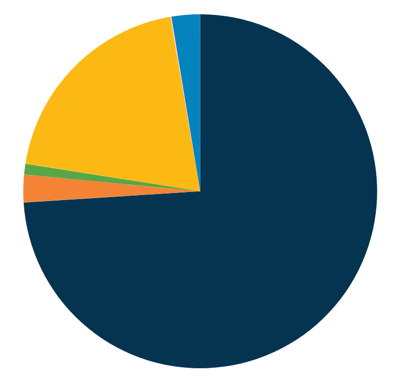
Latino: 2,058 (74%) White: 70 (2.5%) Asian: 27 (1%)
Black: 550 (19.8%) Native: 2 (0.1%) Other (Two or More Races): 73 (2.6%)
Nearly 1 in 5 people in the area are children under the age of 10.3
2 California Environmental Protection Agency. (2020). CalEnviroScreen3.0 [Data file]. Available from California EPA Website: https://oehha.ca.gov/calenviroscreen/report/calenviroscreen-30
3 Age and Race/Ethnicity Data Source: American Community Survey 2019, 5-year estimate, https://www.censusreporter.org/profiles/14000US06019001100-census-tract-11-fresno-ca/
Even the Air is Unequal
In Fresno, not every family has the same pollution burden in their community. While Fresno is home to the most polluted census tract (CT), some neighborhoods enjoy among the most breathable neighborhoods. The SWSP aimed to provide planning in the southwest Fresno neighborhoods that gave them the same opportunity to thrive as their neighbors.
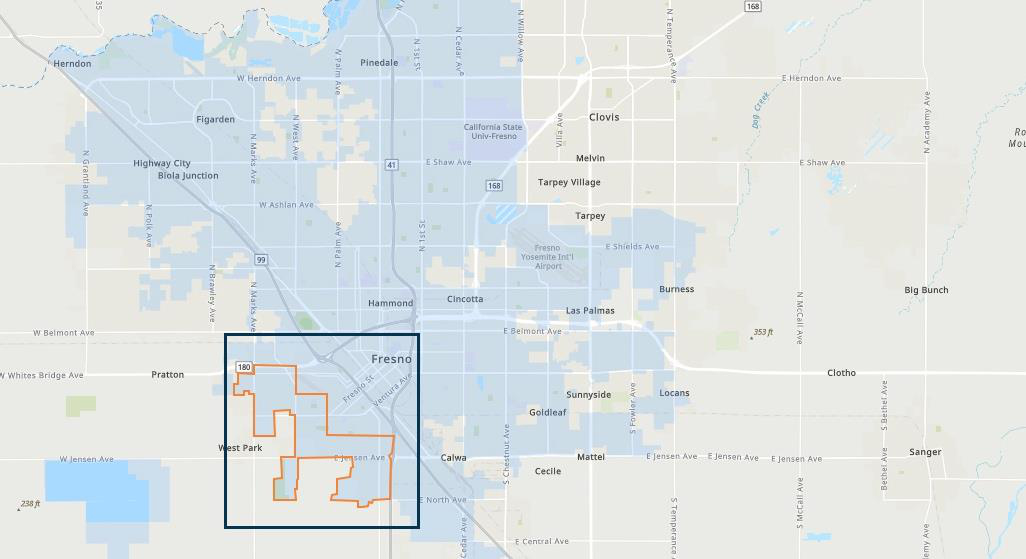
Figure 4. Pollution Burden Neighborhood Comparison
Southwest Fresno CT: 100th Fig Garden CT: 30th
Toxic releases and other pollution burden data were a big part of the SWSP. The residents of this census tract also face tremendous health challenges compared to their California neighbors.
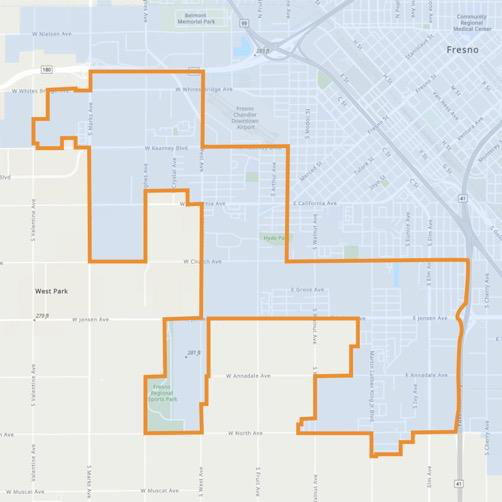
Figure 5. The City of Fresno with a detailed map of the finalized Southwest
THE SOUTHWEST SPECIFIC PLAN
The SWSP
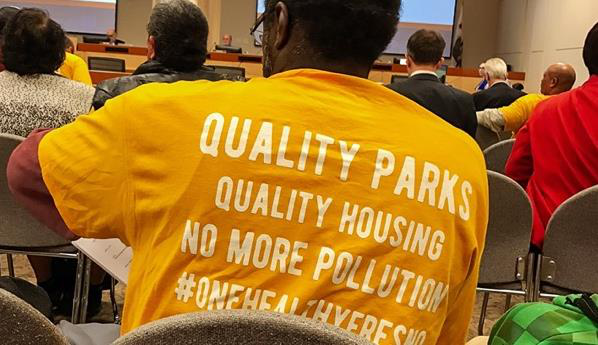
Southwest Fresno has a long history of engaged residents and resilient advocates who have engaged with the City for more than a century for the purpose of building prosperity in the community, only to be shortchanged in the end. Advocates credit Oliver Baines, then council person for District 3, with making the specific area plan for his district a priority and securing its funding through a community development block grant that could provide the resources for a thorough community engagement process. Community participation in both the steering committee and planning process played a central role in the SWSP’s development. However, a history of excluding community from the decision-making process—and community input is ignored—created an obstacle early in the process and required an extensive effort to engage with a community who had lost trust in the City.
The Fresno BHC Coalition prioritized resident involvement in decision-making processes. Since 2010, Fresno BHC has served a critical role in how decisions are made at City Hall, calling for decision-making that reflects community priorities, as well as pushing for more cultural change in City practices to:
- Embrace community engagement
- Address institutional racism in planning processes
- Demonstrate this change in City values by directly funding community engagement
The Role of Advocates in Community Communication
Advocates were in contact with the community throughout the SWSP process. Advocates noted that the communication needed to be constant, honest, and transparent.
Communication Priorities
An emphasis on clear communication with residents about the SWSP’s:
General Process Its Realistic Impact Timeline
The SWSP Steering Committee
The steering committee for the SWSP was uniquely large at 21 members and is described by advocates as reflective of the southwest Fresno community. Initially, community members felt that there were gaps in community representation. However, through community engagement efforts the committee was adjusted to be more representative.
In some cases, this meant removing barriers to participation in the planning process, such as language access, by including resources for Spanish-speaking residents.
Community Engagement: Confronting a History of Exclusion
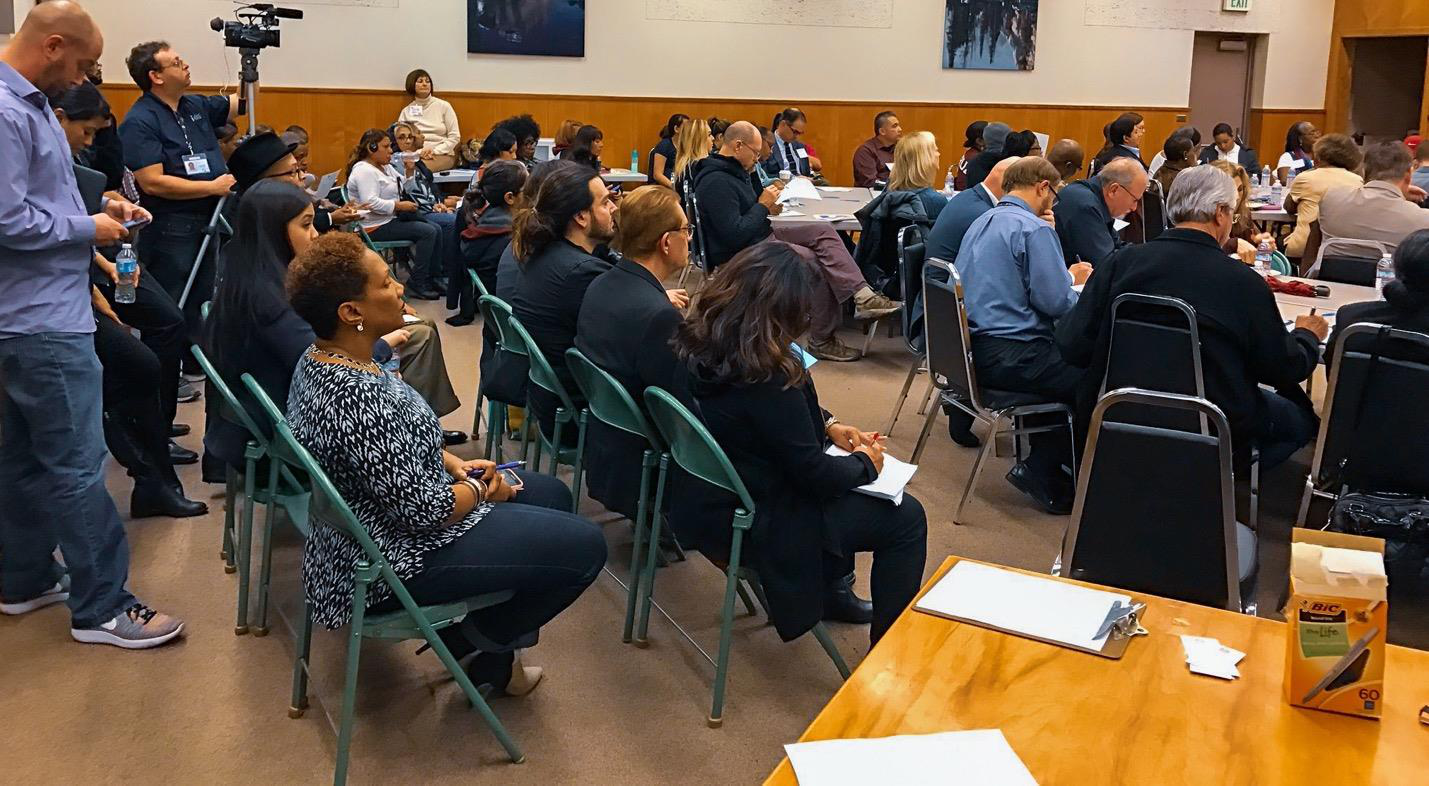
Photo by Fresno Building Healthy Communities
Advocates note that while the steering committee composition was inclusive, committees are rarely perfect. However, advocates encouraged the planning consultants to be present in the community and responsive to resident priorities. This made a difference in how comprehensive engagement took place. In turn, advocates held the City accountable to ensure the plan reflected the community’s priorities.
Advocates noted that current practices needed to be changed, including:
- developers' input prioritized through special access,
- the lack of transparency in decision-making, and
- a lack of engagement with the residents of color most affected by decisions made at City Hall.
Residents and advocates in southwest Fresno described a long history of exclusion from decision making roles in their neighborhoods and communities. Therefore, successful community engagement was defined as a final SWSP that reflected community priorities.
SWSP: Community Identified Priorities and Needs
- Decrease current sources of pollution, including industrial land use, and prevent
future sources of pollution by updating zoning policy
- Address excessive concentration of industrial use zoning in the community
- Business development that prioritizes high-quality jobs
- Green spaces and quality parks (not on top of landfills like Hyde Park)
- Affordable and diverse housing development, for all income levels and family types
- Increase housing opportunities for seniors
- Address that the City of Fresno and the Fresno Housing Authority have historically
concentrated subsidized affordable housing in southwest Fresno
- Multi-family housing too concentrated
- Address lacking opportunities for single-family homes
- Housing opportunities that increase homeownership
- Improve public transit
- Active transportation
- Build more educational institutions
- Increase healthcare access, including undocumented residents
- Increase Food, Health & Well Being, and Retail Amenities
- Grocery stores
- Retail to meet basic shopping needs without having to leave community
- Banks
- Medical centers and facilities

From the beginning, it was clear that residents wanted “a community that anyone would want to live in,” particularly compared to neighborhoods in north Fresno, and for southwest Fresno to be included in the equitable distribution of “everything that makes a community a desirable place to live.”
The Fresno BHC Coalition: Working Together
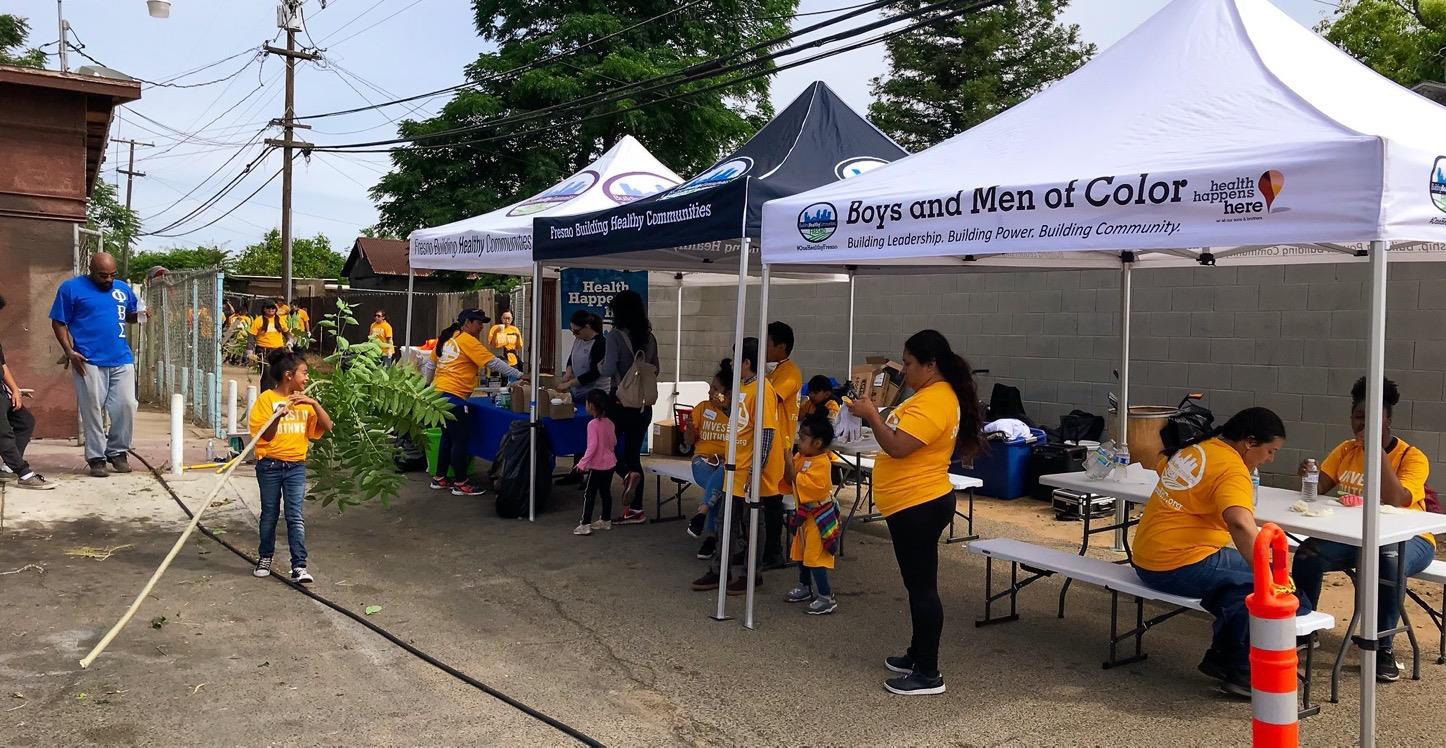
Photo by Francisco Espinoza
The Fresno BHC Coalition brought together a set of community-based organization (CBO) partners to align their work on the SWSP, which amplified the Coalition’s political power and ensured the SWSP was responsive to community engagement and priorities.
- The Coalition created a space for partner CBOs to come together to share strategies, updates, and support
- Organizations educated each other on the planning process, shared their respective expertise, and highlighted opportunities to engage with the community
- The collaboration between CBOs created a megaphone for the work which gained the attention
of key decision makers and the broader community toward the issues impacting southwest
Fresno, including:
- a history of discriminatory policies connected to public and private disinvestment
- land-use planning that placed industrial zoning in close proximity to residential neighborhoods, and
- lack of diversity in affordable housing options
Authentic and Transformative Community Engagement
The city planning process takes time, sometimes months or years. Cultivating and maintaining the political will to see that community engagement is possible, and that community priorities are upheld, throughout the entire process is difficult. Multiple efforts were made by the Fresno BHC Coalition and CBO partners to make sure that opportunities for community engagement were maintained by:
- Holding monthly community meetings to provide updates, strategies, and engagement opportunities
- Supporting community outreach at City Council hearings and making public comments
- Providing resources necessary for residents to participate (i.e., meals and on-site childcare)
- Including BHC University participants, residents who have specialized capacity-building policy training to increase community engagement
Practices to Ensure Communities Priorities Are Upheld
- Priorities and input were collected through a series of community meetings, including popup sites located in the community to make these spaces accessible for residents
- Community engagement process was comprehensive and formatted so that community members played an active role in planning and decision-making, (as opposed to being observers)
- Advocates ensured that community-requested changes were included in planning meeting discussions and were reflected in the final plan
The Obstacle: Industrial Zoning and the SWSP
Photo by Francisco Espinoza
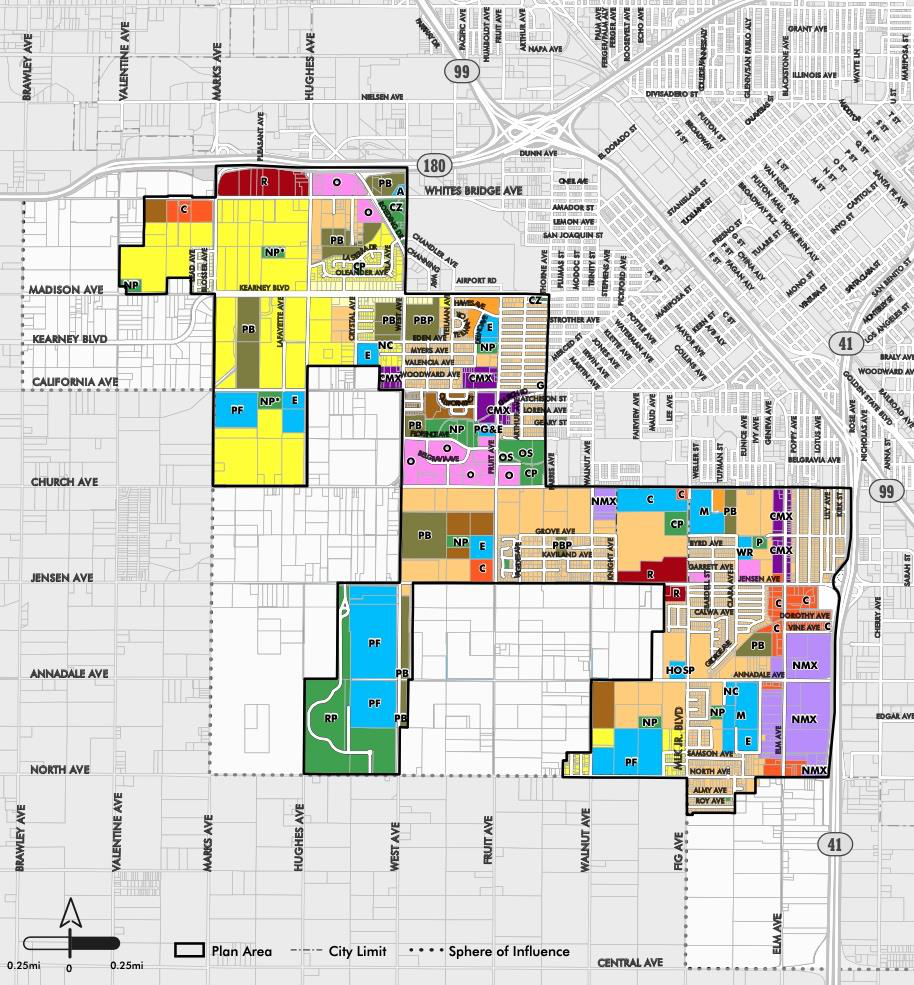
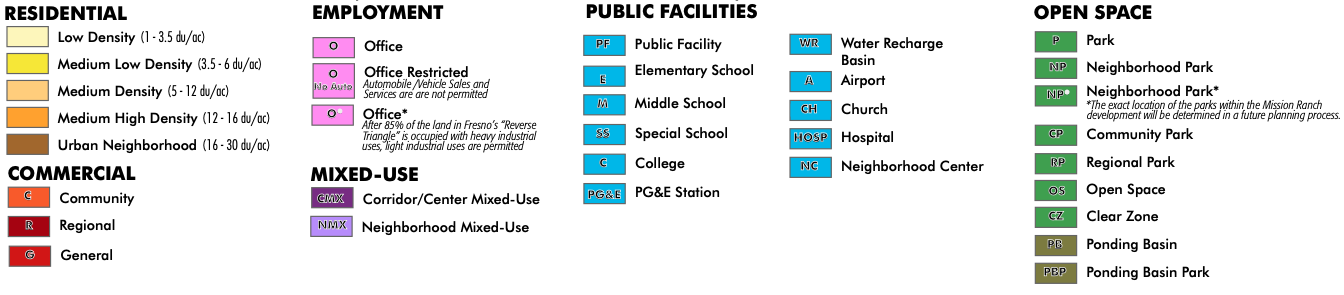
While the plan proposed for the SWSP was contentious, there was one community-identified priority that became an outright obstacle: industrial zoning. Industrial zoning is categorized by the City of Fresno as light and heavy and is usually located in or near areas like railroads and freeways that have access to transportation; these zones include manufacturing and processing plants, warehouses, and distribution centers. Addressing industrial zoning was the top priority identified by community members, and it became the priority that received the most pushback from decision makers. The SWSP Steering Committee voted a number of times to change industrial zoning in the area to commercial and/or regional mixed-use zoning. Commercial zones are designated into six types (Main Street, Community, Regional, General, Highway and Auto, and Recreation) and include shops, services, and facilities. Regional Mixed-Use districts (categorized into Neighborhood Mixed-Use, Corridor/ Center Mixed-Use, and Regional Mixed-Use) encourage and transform high traffic areas with pedestrian-friendly retail, goods and services, multi-family housing, community gatherings and public spaces.
However, there were city leaders and plan facilitators who felt that this was an impossible task and pushed to keep some areas as industrial zones. While the industrial district has been touted as an economic engine for the community, the businesses in the area employ few southwest Fresno residents and contributes to its high pollution burden.
Overcoming Obstacles: Community Control over New Industrial Zoning
When the City steered the conversation away from addressing industrial zoning, the Fresno BHC Coalition and community members held their ground, demanding land use and zoning policy plans that supported the community’s desire for health-promoting neighborhoods. The Fresno BHC Coalition supported community members, helping them to engage in the public comment sessions at City Hall, amplifying their voices through strategic communication efforts that complemented the work on the ground. Community members shared their lived experiences and their expertise as southwest Fresno residents to demonstrate why changes were so important and argued that the SWSP needed to address industrial zoning as the first step to ultimately creating a long-term path forward. Steering Committee members also held conversations with city council members to explain why industrial zoning had to be addressed.
The SWSP required a 75% supermajority from the Steering Committee for the proposed plan to pass.4 In the final plan, the work of community members and the Fresno BHC Coalition paid off despite city staff attempting to reintroduce new industrial zoning into the plan just ahead of the official vote. While existing industrial zoning would remain, any new attempts at expanding industrial zoning would have to go through a public process and include an environmental review. Written into the public process are opportunities for community to engage with the City before decisions are made. The result was community control over how zoning will take place in their neighborhoods, now and for future generations.
One important element included in the SWSP is that zoning changes are now required to go through a public process, including an environmental review, where the community is included in decision making. This marks a significant departure from how land use and zoning decisions have historically been made in southwest Fresno.
4 Werner, A. (2020). Southwest Specific Plan, City of Fresno: Community-Driven Planning for Equitable & Healthy Neighborhoods. State of California Governor's Office of Planning and Research. https://opr.ca.gov/docs/20200624-Southwest_Fresno_Plan-case-study.pdf
Lessons Learned: SWSP Reflections from the Fresno BHC Coalition
“You can rebuild trust.
- Fresno Building Healthy Communities Coalition
The Fresno BHC Coalition came away from the SWSP win with an expanded understanding of what it means to make real change happen, including obstacles in community engagement.
- Southwest Fresno is large and has diverse population with many different neighborhoods
- There is an overall need for increased outreach resources, including staff time for resident engagement
- Constraints on organizational capacity can make it difficult to outreach all populations fully, including southeast Asian populations
Fresno BHC Coalition organizations tried their best to be responsive and accountable to the residents they worked with to ensure authentic community engagement through a collaborative process. This required organizations to work together and align requests/recommendations to ensure community interests did not clash. In turn, the Fresno BHC Coalition offered the City recommendations and suggestions on how to conduct more comprehensive and meaningful community engagement process based on their experiences.
This led the City to do things they had never done before, such as making diligent efforts to get community input. To do this, advocates noted that the City had to really listen to what community told them and acknowledge what the community wanted. Residents also pushed the City to listen to them by confronting racist and classist undertones regarding economic development in southwest Fresno, especially as it applied to the industrial zoning issue. Residents were clear that if the City tried to change the new industrial zoning community controls and public process, it would further diminish their trust of the City.
Advocates also note that the City needs to be honest about the legacy of institutional racism and disinvestment in communities of color and acknowledge how this affects both public processes and participation (particularly why some community members are hesitant to engage with the City). Unless practices change, advocates note that residents receive no benefit from participating in spaces where their voices are ignored.
Advocates shared that for decades communities of color have received a clear message that their participation was not wanted nor valued by the City and that accusations from the City that communities do not care about their neighborhoods are untrue.
Steering Committee members also asked the City to address discriminatory practices pointed out by residents:
- Increase resources and thoughtful planning to meet people where they are so they can participate on their own terms
- If residents are taken seriously and time is invested in engagement, residents are more likely to become responsive and engaged
However, the most important takeaway from the SWSP process came from advocates and residents alike—when engagement is authentic, it is possible to rebuild community trust.
Figure 6. The Southwest Specific Plan’s Finalized Land Use Map for Plan Area
Fresno BHC: Coalition Building Behind the Scenes
A critical element for the Fresno BHC Coalition is the ongoing development of the Theory of Coalition Building, which prioritizes capacity building, shared values, risk taking, and acknowledging race and power.
Capacity Building
Collaborative efficacy around innovative policy change through expanding advocate capacity and leadership.
The BHC HUB helps to facilitate capacity building for Coalition partners by providing access to technical assistance, as well as leadership and media opportunities. Technical assistance includes budget trainings at the city and county levels, power mapping and analyses that help to lay the groundwork for campaign planning and strategy, along with issue-specific trainings requested by Coalition partners. Leadership opportunities include learning new advocacy skills through campaign building activities, strategy and planning meetings, and cross-campaign collaborations. Media trainings are also available for both developing media interviewing skills, as well as trainings and assistance with writing opinion editorial pieces to increase awareness and shape the narrative around local issues and campaigns.
Shared Values
Partnerships based on shared values and understandings of root causes that are agreed upon and demonstrated by the entire collaborative. The foundation of the Coalition “has to be about more than attending meetings together.”
A shared understanding of root causes ties the coalition together, as partners agree on not only the underlying causes for community issue but also upstream approaches to change. In 2016, a critical point emerged at a Fresno BHC coalition retreat when it became apparent that not everyone agreed on the coalition’s shared values, which left only a portion of coalition partners “doing the work.” Holding a shared understanding of root causes does not mean that every person in the coalition agrees on every issue, or even how to address issues. However, there should be a shared understanding of what is at the root of many of the community issues the coalition works on. In Fresno, an example of this would be the ongoing process of racial equity analyses, in which racial justice and inequities are central to the coalition’s understanding of root causes and work.
Risk Taking
“Real change makes people angry.” How coalitions provide support when making change in a community means taking real risks.
Often, being a member of the Fresno BHC Coalition is about taking “real risks.” For example, those in elected positions have not shied away from publicly tweeting the funders of Coalition partners who have challenged the status quo by increasing equitable and healthy opportunities for communities. These actions can result in Coalition partners being excluded from direct paths to collaboration in decision-making bodies at multiple levels. The discourse in public meetings can also be rash, and even come in the form of personal attacks on advocates themselves.
While the Fresno BHC Coalition has worked to change the narrative in Fresno—focusing on racial and class inequities—it has not been without challenge. However, these challenges are diffused throughout the Coalition, and protects Coalition members from dealing with the aftereffects of risk taking in isolation. The backing of a Coalition allows partners to take the necessary risks to advance change with the support of a network of Coalition partners who help mediate potential backlash.
Racial Equity in Land-Use Planning
It is important to note that in Fresno, White people have historically been more civically involved and have had more direct access to decision making structures, language and literacy friendly engagement opportunities, and more attention from city electeds. Moving forward, it is important to acknowledge that:
- there is a gap in public, philanthropic, and private investment in Fresno-based, African American-led organizations that empower Black residents, and,
- continuing to prioritize language access and ways to include and compensate undocumented residents for their contributions to the process of land use decision-making is essential to maintaining community engagement over time.
Communities in places that have been disproportionately impacted by unequal land use decisions must be part of the decision-making process in how their neighborhoods will be re-visioned. Black, Brown, Asian and other communities that have been historically left out should be able to have input and be compensated for their work in these lengthy and time intensive processes.
TRANSFORMATIVE CLIMATE COMMUNITIES
Photo by Francisco Espinoza
Making the Connection: TCC and the SWSP
Leadership Counsel for Justice and Accountability (LCJA), a Fresno BHC Coalition partner, was a key political player in Transformative Climate Communities (TCC) program. The California Environmental Justice Alliance and LCJA co-sponsored AB 2722, a piece of legislation that would ultimately create the TCC program. LCJA helped shape the law with the intention that money from the state’s Cap and Trade program would directly benefit the communities that were affected by the pollution. For advocates and community, this piece of legislation presented a prime opportunity for the SWSP, the unified specific plan for southwest Fresno, to be put into action and begin a chain of investments into a community disproportionately burdened by environmental pollution exposure and a history of discriminatory housing, land-use, and investment policies.
Business as Usual: Distribution of Public Funds and the 1-Mile Radius Plan
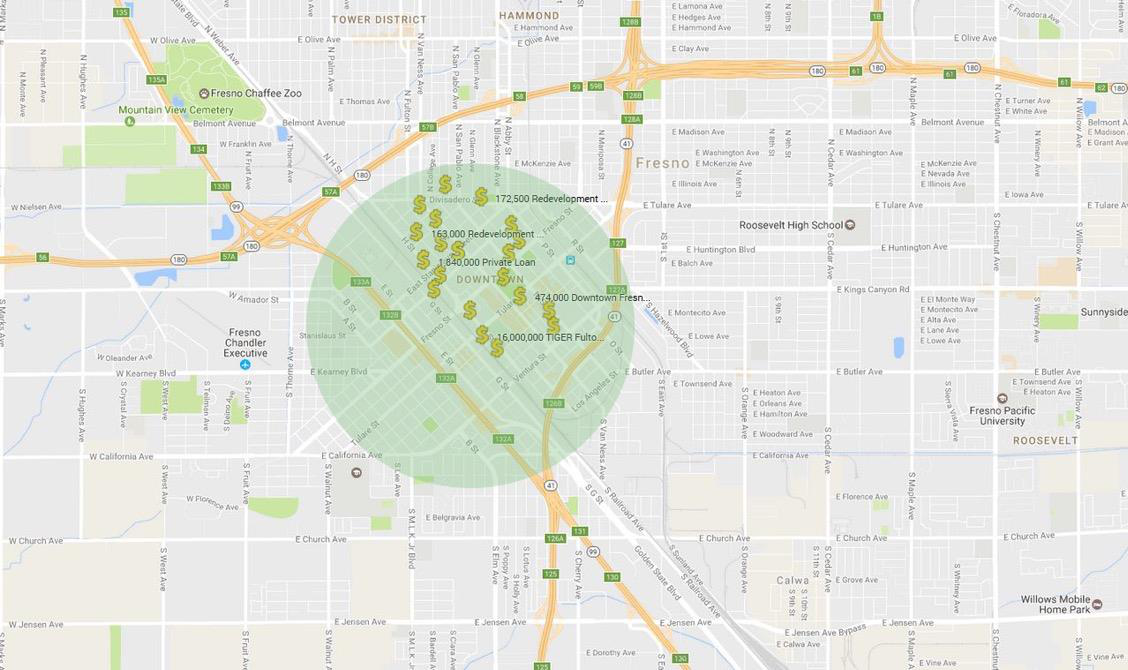
Fresno City leaders already had an eye on greenhouse reduction funds to support ongoing downtown revitalization efforts, which had already received tens of millions of dollars of public investment funds (see Table 1), with the majority of the TCC funds being invested within a 1-mile radius of the site planned for a High-Speed Rail Station. When the City inquired about the funds in Sacramento, they asked for an allocation of tens of millions of dollars without restrictions or guidance. However, the TCC program provided a set framework for how dollars should be spent on “development and infrastructure projects that achieve major environmental, health, and economic benefits in California’s most disadvantaged communities.”5 Moreover, the vision of the program “empowers the communities most impacted by pollution to choose their own goals, strategies, and projects to reduce greenhouse gas emissions and local air pollution.”
Figure 7. Estimates of funding investment in Downtown Fresno map showing a 1-mile radius from the proposed High Speed Rail.
5 Transformative Climate Communities (TCC) - Strategic Growth Council (ca.gov): https://www.sgc.ca.gov/programs/tcc/
Table 2. Downtown Fresno Investments, 2011-2016
| Year | Source | Amount | Project |
|---|---|---|---|
| 2012 | Measure C | $474K | Support for engineering and environmental work related to the Fulton Mall |
| 2011 | TCSP | $1M | 2012 U.S. Department of Transportation, Pre-construction Phase |
| 2013 | TIGER grant | $16M | Reintroduction of traffic to Fulton Street |
| 2016 | TOD | $5.7M | South Stadium Phase I |
| 2013 | Measure C TOD | $1.8M | Fulton Mall Project Construction |
| 2014 | Measure C TOD | $116.3K | Cultural Arts District (resolution 13) |
| 2014 | Measure C TOD | $299K | Cultural Arts District (resolution 14) |
| Year | Source | Amount | Project |
|---|---|---|---|
| 2011 | City Council/RDA board | $172.5K | 1419 M. Street toward $2.5M Renovation Project |
| 2011 | City Council/RDA board | $163K | 1600 Fulton Street toward $1.2M SF Floral building |
| 2011 | City Council/RDA board | $125K | Demolition of the former Fresno Metropolitan Museum |
| 2011 | Fresno Redevelopment Agency, private loan | $2.7M | Crichton Place project (private loan) |
| 2011 | Fresno Redevelopment Agency, private loan | $1.84M | 1608 Fulton (private loan) |
| 2011 | Fresno Redevelopment Agency, private loan | $2.77M | 1636-1660 Fulton (a) |
| 2011 | Fresno Redevelopment Agency | $1.88M | 1636-1660 Fulton (b) |
| Year | Source | Amount | Project |
|---|---|---|---|
| 2012 | Prop. 84 Statewide Park Program | $2.5M | Cultural Arts District Park |
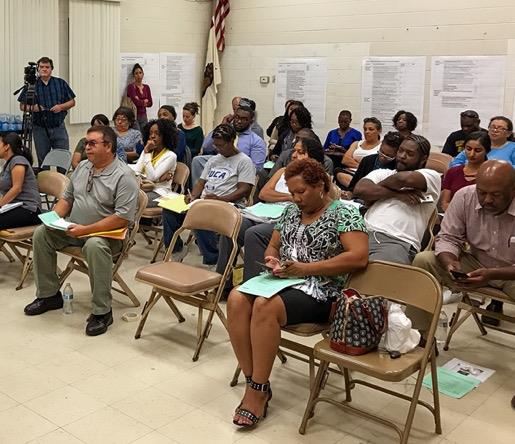
Photo by Fresno Building Healthy Communities
Fresno BHC Coalition advocates noted that the City’s initial application for TCC funds received a low score and pointed out that the application was missing important elements, such as community engagement component and a displacement avoidance plan (which concerned residents and businesses in Chinatown who were worried about the ramifications of potential gentrification). More importantly, although the funds were being directed to downtown projects, the City used an example of a pollution-burdened community—southwest Fresno—in its application. Funds were secured from TCC for Fresno based on CalEnviroScreen data, which was collected by the state to determine which communities were the most pollution burdened. These data demonstrated something that the community had known for decades—the most pollution-burdened census tract in California was located in southwest Fresno.
For Fresno BHC Coalition advocates, the City’s first attempt to structure the TCC process, where the City uses the most pollution-burdened neighborhoods, comprised largely of “black and brown bodies,” to obtain funding for projects outside of impacted communities is a prime example of why the community distrusts the City. In Fresno, TCC became a representation of the community’s fight to obtain funds that address both historical disinvestment and harmful land use policies in their neighborhoods. Since the TCC funds were set aside specifically for the areas most impacted by environmental harm (which is highly racialized in Fresno, as these neighborhoods are made up predominately of people of color), advocates and residents mobilized to fight for the funds to be spent equitably in the neighborhoods that needed it as captured by the CalEnviroScreen pollution burden scores.
However, there were challenges. Fresno BHC Coalition advocates explained that it was their privilege of paid time that allowed them to do the necessary background work of studying and reviewing complex documents, submitting comment letters, and attending City Council hearings related to TCC. Grecia Elenes, a senior policy advocate at the Leadership Counsel for Justice and Accountability, asked: “How do you break down these very technical processes in a way that everyone, regardless of education, regardless of their literacy, regardless of language, can be engaged and meaningfully contribute?” The role of professional advocates bridges the gap and guides residents through processes that are not “community friendly.” Advocates shared that a legacy of institutional racism and discrimination practices meant to exclude and reduce community input is a major challenge that advocates navigate with the community. While undergoing a fight to use the TCC funds inside of the most pollution-burdened community in the State, another fight was simultaneously taking place to change systems and practices so that community voices would be heard and included in the plans for TCC.
Yet, changing city practices in community engagement can be slow. “Until we get to that point,” Elenes explained, “and there is still very much push back on that, I think we're going to continue to see that racism, even if it's not as blatantly overt as it used to be.”
One way that Fresno BHC Coalition advocates navigated this was showing the City’s attempt to use pollution burden data in south Fresno for projects outside of the area was not a one-time occurrence, but a pattern of behavior from the City that exploited neighborhoods for gains spent elsewhere—including downtown Fresno. Ivanka Saunders, who was then at CNC Education Fund and is now a policy coordinator with the Leadership Counsel for Justice and Accountability, explained that advocates gave access to community by “allowing people to really get educated and aware” of this pattern, demonstrating how “the game is being played, meaning this game of finances… You can’t exploit our statistics for the benefit of a community like Downtown Fresno that is not going to benefit us [southwest Fresno] at all.”
Fresno BHC Coalition Advocates: Gaining Community Trust
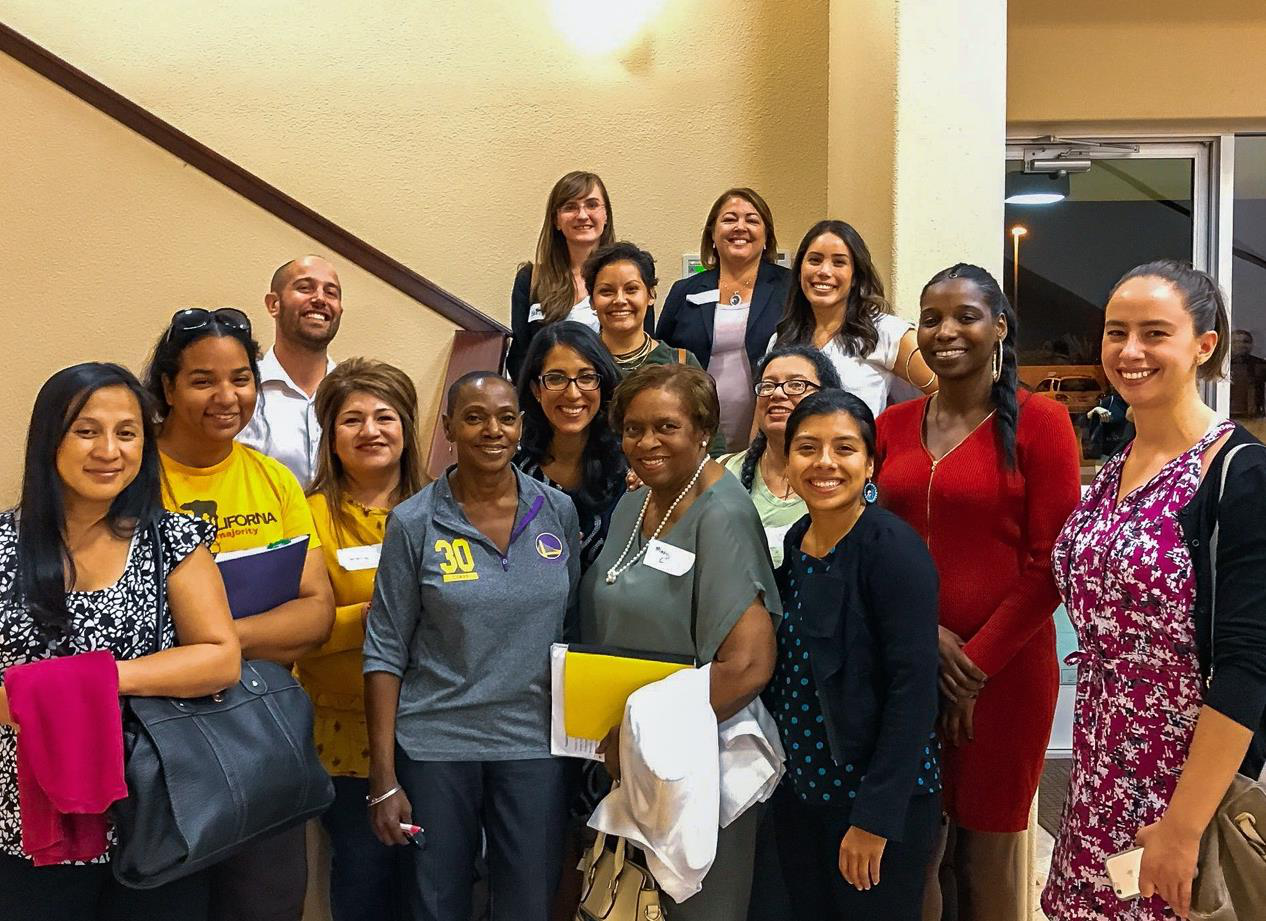
Yet there were obstacles to overcome in the Fresno BHC Coalition gaining community trust. In the beginning, advocates shared that there were a number of people who believed that the community organizations in the Fresno BHC Coalition were complicit with the City’s plans, and that a collaboration was taking place between the Coalition and the City behind the scenes, to leave community voice out of the equation. Saunders noted, “That is so much of what happens in this City.”
Advocates explained a history of some community organizations approaching community engagement with the idea that they “know what is best for community” and then using their positionality to speak on behalf of community, regardless of community input. “I think that challenge was the relationship building to truly get community members to understand that we are in this fight for you,” Saunders said, “and most importantly we are in this fight with you, and we aren’t going to do anything you don't want.” To repair the relationship between professional advocacy organizations and community, advocates needed to listen and understand the community’s anger, so that relationships could be built between residents and advocates.
“There was a lot of relationship building that had to take place so that they can really understand and know who the Fresno BHC Coalition is, to know who the advocates are, and who they are representing. - Ivanka Saunders, Fresno BHC Coalition
Advocates explain this as their biggest success in the TCC process: doing what the community wanted time and time again. This meant participating in a long series of workshops designed to plan how the TCC funds would be spent and on which projects. When advocates pushed the community’s plans forward, the City returned to the table time after time with a set of plans that did not align with the community’s priorities. An example of this was a plan proposed for a vacant downtown hotel, Hotel Fresno, to receive $9-11 million for asbestos remediation. While the vacant hotel could potentially increase affordable housing in downtown, the asbestos remediation would still leave the property uninhabitable. The community rejected the idea that so much money be spent on a project that would not produce desired results and insisted there were other ways to make more immediate, positive impacts with the funds. Yet, the City brought the Hotel Fresno remediation plan back to the table meeting after meeting. Advocates stayed true to community voice and pushed back every time, demonstrating that they stood with community.
Strategic Growth Council: Community Bringing the Data Together
Community engagement was critical in moving the TCC funds back to southwest Fresno. Advocates played the role of messenger—communicating the strategies community believed the money needed to be spent, where it needed to be invested, and inevitably who advocates and residents needed to talk to in order for it to happen—whether it was the City, state agencies, legislative bodies, or intermediary facilitators like the Central Valley Community Foundation—to make it happen. Local research arms stepped in to provide evidence about neighborhood conditions in southwest Fresno. The Central Valley Health Policy Institute at Fresno State specifically reported disparities in negative health outcomes and hospitalizations related to environmental factors (including high rates of preterm birth and infant mortality, and the lowest rate of life expectancy in the region) and presented these data at multiple meetings. The combination of data paired with the community’s perceptions and lived experiences created a powerful argument for why the funds needed to be invested in southwest Fresno. Without it, advocates note that these conversations would have been one-sided, with “the City speaking directly into the ear” of decision-makers.
Southwest Fresno Goes to Sacramento: Strategic Growth Council Meeting
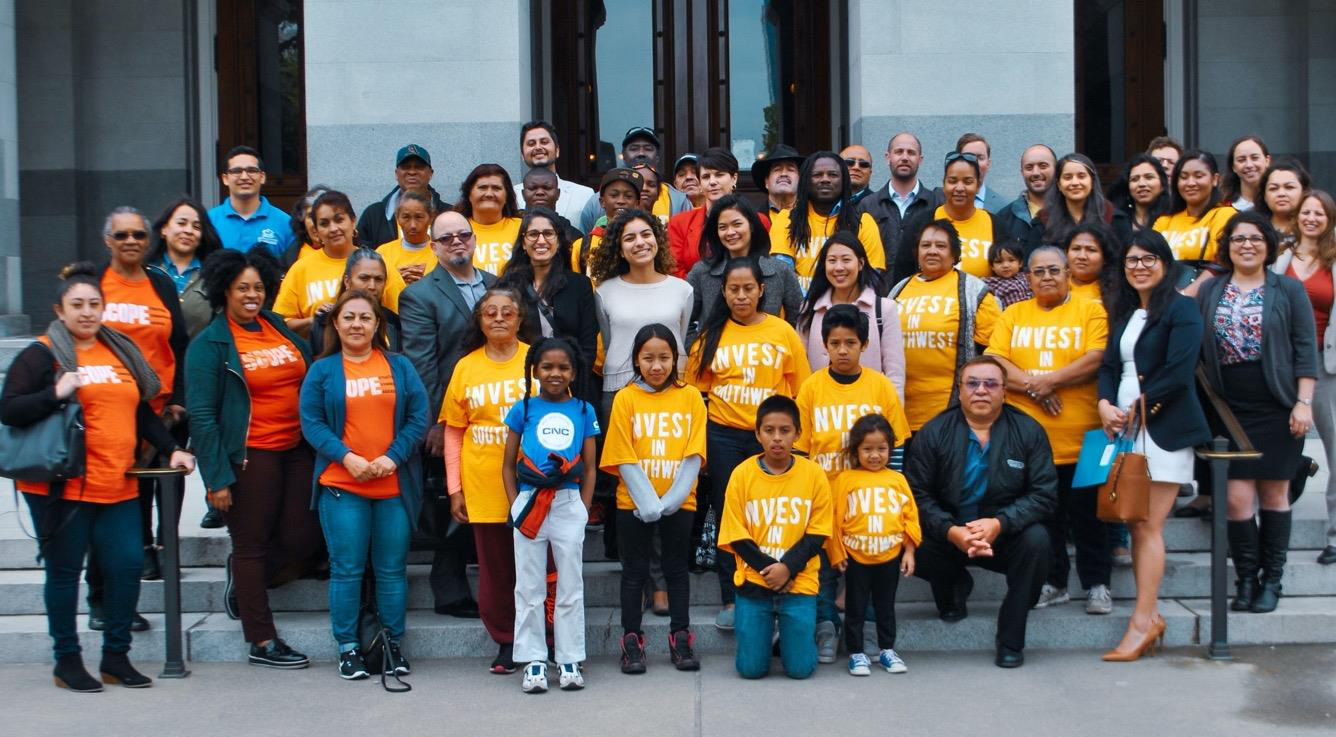
Photo by Fresno Building Healthy Communities
A pivotal moment in the process came when residents and advocates organized to go to Sacramento to attend a Strategic Growth Council (SGC) meeting, the governing body responsible for developing and approving TCC plans. Residents were able to explain directly to the SGC that the areas selected by the City for TCC funds were not actually a part of the census tracts that were used to obtain the original funds. Many of the sites that were labeled as historic, advocates said, were used to justify the movement of funds out of southwest Fresno without direct plans to address the inequitable environmental burden faced by southwest Fresno neighborhoods. For advocates, this meeting was a “turning point” where residents took control of the narrative about their community.
Advocates and residents were also able to build relationships with and inform the SGC directly. The completion of the SWSP, a solid development plan built with community, was proposed as a starting point. There were a multitude of investment opportunities within the SWSP to address land use and pollution burden concerns. Advocates also pointed out that there was a potential school site being developed for the State Community College District, which would bring the first higher education institution in southwest Fresno history, and would further complement TCC developments and meet the program’s stated vision.
Different Plans, Different Visions
The City put together a series of four plans for the final vote, half of which included funding for the controversial Hotel Fresno project. The four plans were released for review on October 2, 2017. In response, long-standing resident leaders with decades of experience organized a meeting at a local southwest Fresno church, where only community residents could enter, leaving both Coalition advocates and City employees outside. During this meeting, 16 residents created a fifth plan that reflected what community had asked for throughout the planning workshop process.
Democracy in Action: Selecting a Plan for TCC
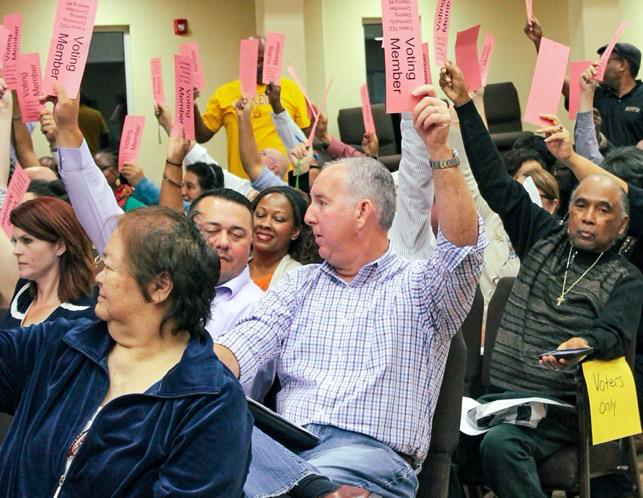
Photo by Fresno Building Healthy Communities
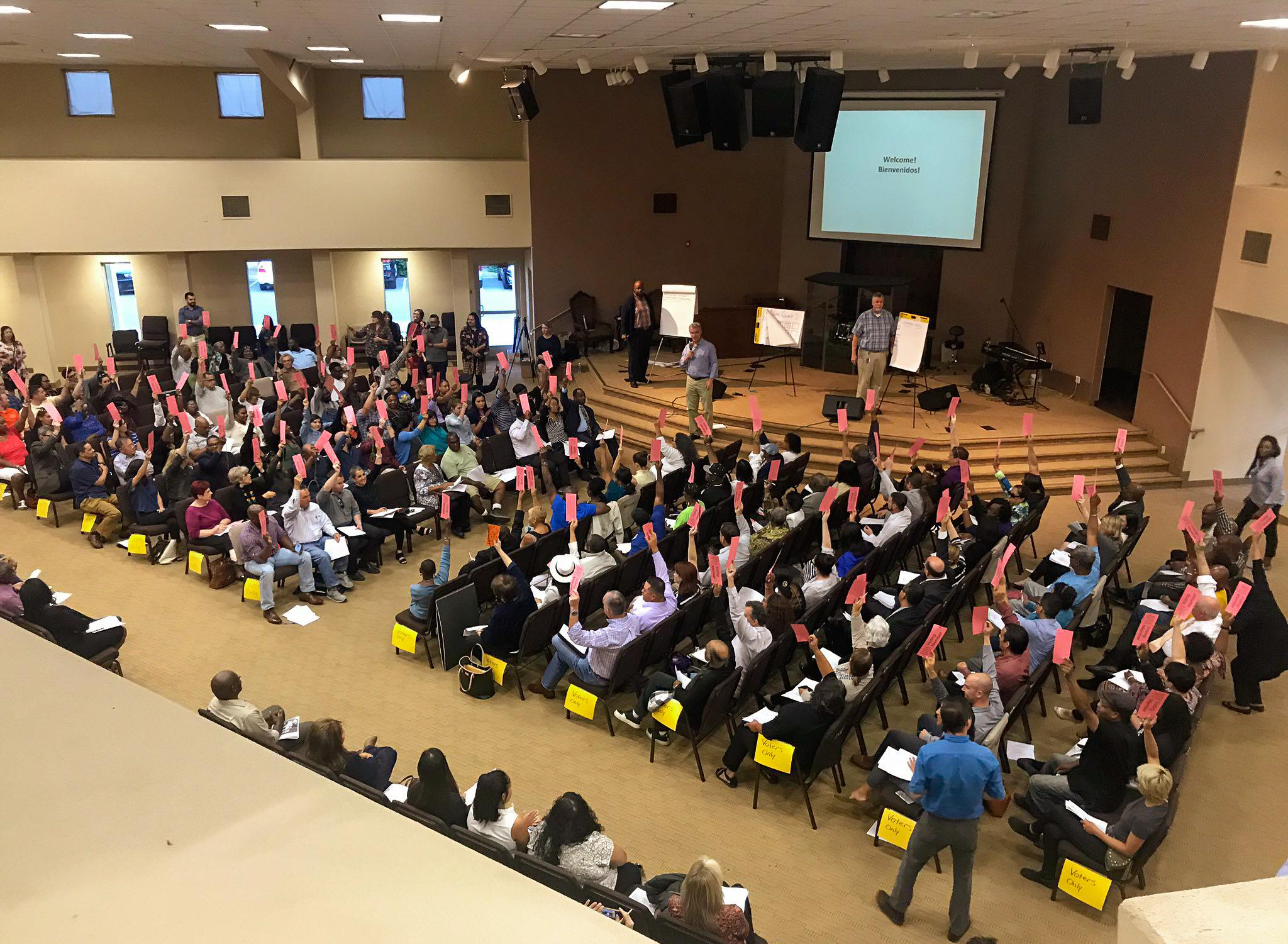
One of the first questions about how a TCC plan would be selected was: “Who would be allowed to vote?” In all, approximately 130 people put in votes during the selection process. However, there were guidelines laid out in advance about who would be allowed a vote. The Steering Committee members were allowed a vote, as were various stakeholders at the table, some of whom had contributed to the five plans being voted on, and whose organizations may then receive funding as a result, and it contained a number of City and other governmental employees.
Advocates note that this is not unusual in the planning process. However, what helped to guarantee a fair vote was the creation of a 160-person public voting committee, along with the guidelines that anyone who could submit a vote had to have attended a minimum number of planning meetings, which immediately included many community members, not just City and government employees or organizational stakeholders.
The Fifth Plan
When the committee introduced the fifth plan at the voting meeting, it took many off guard, as this plan had not been anticipated in advance by the City. However, by then decision-makers had seen that community members were not only competent in understanding land use planning but had could provide a balanced approach with an authentic vision for their own neighborhoods. The fifth plan was included in the final set of proposals put forth for a vote.
The fifth plan was selected almost unanimously and presented to the SGC as Fresno’s official plan to move forward with TCC. Together, the SWSP and TCC are huge victories for southwest Fresno totaling $818,337 invested in the development of the SWSP. TCC has resulted in $66.5 million in program funds, and an additional $117.3 million of external funds. These funds will begin healing and repairing nearly a century of neglect, inequitable land use and housing policies, formalized race-based disinvestment, and negative health outcomes (see Table 2).
Table 3. The Fifth Plan Project List
| Top Priorities | Requirements Near High-Speed Rail Station | Strategic Focus |
|---|---|---|
| Fresno City College – West Fresno Satellite | Mariposa Plaza | Annadale Mode Shift Project |
| TCC Connector Project | High Speed Rail Station Area High Speed Rail Station Area Complete Streets Connectivity Project | Changing Lives with Trees in SW Fresno |
| MLK Activity Center Street Improvements | Chinatown Mixed-Use Project @ HSR West Entrance (Fresno Housing Authority) | Food Commons Hub |
| Chinatown Active Transportation Project | Another Level Training Academy Community Garden | |
| EOC Partnership for Energy savings and GHG reductions in SW | West Fresno Advanced Transportation Tech Training Program | |
| MLK Activity Center Park | Yosemite Village Permaculture Community Garden & Urban Farm Incubator | |
| VOICE Gladiator Program | GRID Alternatives | |
| Clean Shared Mobility Network | Weatherize 100 Homes & Install Solar Panels on 35 Homes | |
| Clean Energy Park & Play – Urban Greening & Playground | SW Fresno Green Trails & Cycle Paths Initiative | |
| Chinatown PBID | Chinatown Urban Greening Project | |
| Clean Energy Park & Play – Solar-Powered Charging Station & Van Pool | The Park at South Fulton |
TCC Lessons Learned & Takeaways
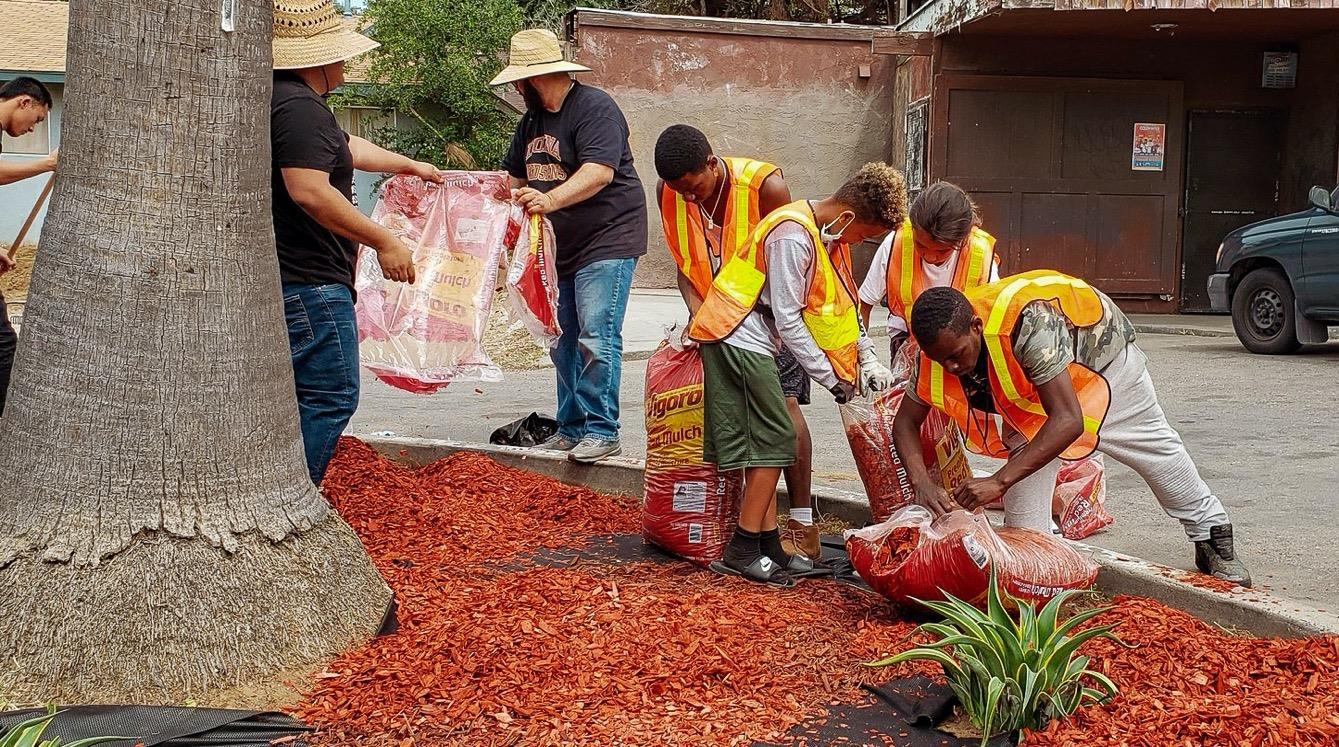
“I don’t think this project would have been as successful if the community from southwest Fresno did not push as hard as they did. They pushed with the help of advocates, but it really was, I feel like, the advocates pushing to open up that space and giving residents, who are the experts in what has happened over here, that platform to stand on and then just take the lead.
- Ivanka Saunders, Fresno BHC Coalition
- People have the power to create change with strategic and effective organization
- Without the involvement of the community, who were able to demonstrate the vision of the TCC program, Fresno’s TCC application for funds may not have been successful
- Advocates can play a critical role in opening the space for residents, who are the community experts, to take the lead
- It is important for a community’s residents to build genuine relationship with state and local leaders
- As the Fresno BHC Coalition, it is okay to make mistakes—it is important to learn from them
- Governing bodies and systems of power need to make community engagement and planning more equitable
- To ensure accountability and transparency in processes, advocates and residents must remain involved and advocate for their needs
- Change is not a race and treating it as such impedes the ability for the City and community to engage in long-term solution building
- Historical pain in communities that result from a legacy of discrimination and neglect must be acknowledged by the City—without it, the City’s good intentions cannot produce healing results
“You can give us the money, but we are still going to do what community wants, in the way we think best by community.
- Fresno BHC Coalition Member
SWSP and TCC in Fresno: People Power
- The role of advocates is to help residents drive the work forward
- Community organizing results in more community control
- The Fresno BHC Coalition and funding are vehicles for power that already existed in the community
Looking Ahead: The Future of SWSP and TCC
The work continues for both of these plans to be fully implemented. The SWSP has started with residents and advocates keeping the process transparent as projects begin their discussion phases. Advocates are also working on climate change impacts and air pollution in disadvantaged communities including southwest Fresno, following current State legislation that to address both issues. Advocates also note that the timing of the SWSP was fortuitous in that it aligned with TCC funded projects determined to be the highest priority by residents. The TCC plan is described as being “shovel ready” and is currently in the implementation phase of a five-year period to complete the projects. There are also other plans currently being developed in alignment with TCC implementation, including a displacement avoidance plan to keep community from being displaced as new investments and projects are complete, as well as a workforce development plan.
History in Fresno demonstrates that it is not just effective policy-making that matters. It is just as important to be in the room during policy implementation to ensure that plans are not altered or modified in ways that either render them ineffective and/or result in negative long-term consequences for residents.
One of the remaining primary challenges is the protection of current neighborhoods so that residents are not priced out of their homes. There is also an economic downturn to contend with, as plans developed by the community were created during a State budget surplus and prior to a pandemic and its future considerations. However, residents and advocates will continue to make the case that the community-proposed solutions can benefit the city, not only during prosperous times, but also ensure resilience in neighborhoods and the region, for decades to come.

This HTML version was generated with AI assistance and may contain errors or omissions. The original approved PDF remains the official document of record. An alternative accessible format is available upon request from the document creator in accordance with Title II of the ADA.