
Cultivating Connections: Leadership and Power Building for Merced School Equity
Armando Ramirez, BA
Central Valley Health Policy Institute
California State University, Fresno
Introduction
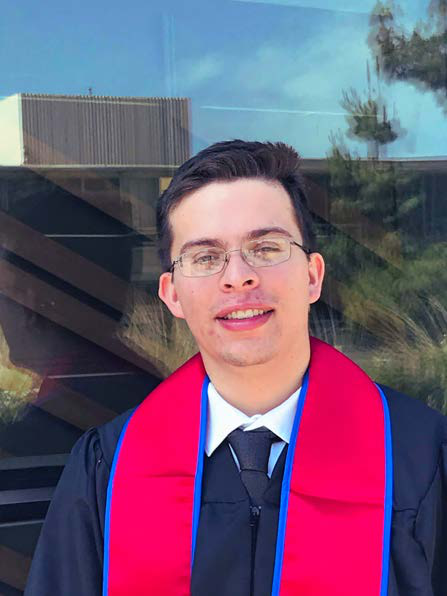
Armando Ramirez, Ba
Pronouns: He, Him, His
Research Assistant
Central Valley Health Policy Institute
California State University, Fresno

Presenter Disclosures
Armando Ramirez, BA
The following personal financial relationships with commercial interests relevant to this presentation existed during the past 12 months: no relationships to disclose
Note: The contents are the opinions of CVHPI and me as the presenter

Glossary of Terms
- TCE
- The California Endowment is a private, statewide health foundation established in 1996 to support underserved individuals and communities
- BHC
- Building Healthy Communities was a ten-year, place-based initiative to support communities and address health inequities
- SAT
- The Schools Action Team
- LCFF
- Local Control Funding Formula is an education policy that changed how the State distributes funds to school districts, increasing funds for low-income, English learners, and students in foster care to improve student outcomes
- LCAP
- The Local Control and Accountability Plan is a recurring three-year plan that describes the goals, actions, services, and expenditures at the local level

Methods
- Key informant Interviews with BHC Merced SAT members
- Questions pertaining to leadership, building power, challenges, and how they were overcome
- Interviews were recorded, transcribed, and coded
- Thematic analysis was completed


“I’ll contribute, somehow, until my last breath, because I believe it is very critical that I contribute in any way, shape or form—I’m more than happy to do this because our community is in more pain than ever before.”
–Tsia Xiong, Director of API Leadership, Faith in the Valley
Background

BHC Merced launched in 2010
In 2013, LCFF was signed into law, and the goal was to improve the outcomes of student success
- Provided flexibility for districts but local communities must be involved with LCAP fund allocation meetings
- In Merced, the lack of engagement between the parents and the school districts left many unaware of funding allocation

Addressing Equity in Merced
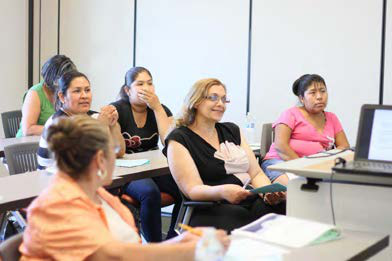

BHC Merced’s Schools Action Team (SAT) sought to improve the local school climate by:
- Increasing the level of community engagement in school processes and budgets, and prioritizing equity
- BHC Merced would achieve this through people power and power-building

People Power:
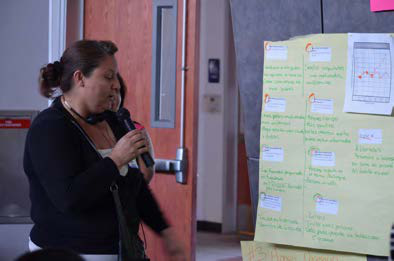
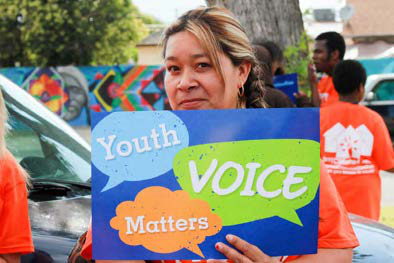
Building communities where “historically excluded adults and youth residents have voice, agency, and power in public and private decision making to create an inclusive democracy and close the gaps in health equity.”

Power Building:
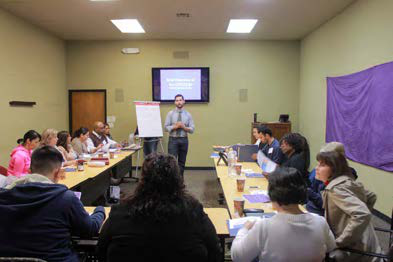
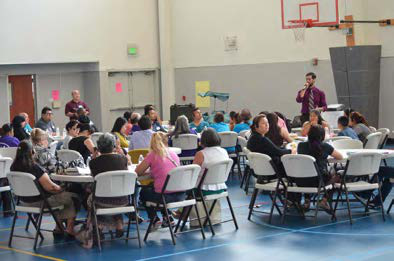
An investment in “an emerging ecosystem of organizations with diverse capacities, skills, and expertise”; these are then mobilized as resources to prioritize health equity in decision-making spaces.

Tsia Xiong

Community Organizer and Advocate
- Moved to the United States during middle school as a refugee
- Noticed that refugee students received little support
- Dedicated himself to helping improve school inequities for the last 30 years.

Mercedes Rodriguez

Resident Leader and Former Teacher
- Current resident advocate
- Joined BHC Merced’s meetings through a friend, and realized the importance of these meeting to improve student success
- Rodriguez stated she felt “at the bottom of the ladder of leaders,” but these leaders shared their experiences, she felt a sense of belonging

Obstacles
- Lack of authentic parent engagement by local districts
- Little community input on LCAP fund allocation
- Districts held meetings outside of the community
- Location of meetings often excluded community and opportunity to participate
- Monolingual materials and lack of interpretative equipment created language barriers

Findings: Parental Engagement
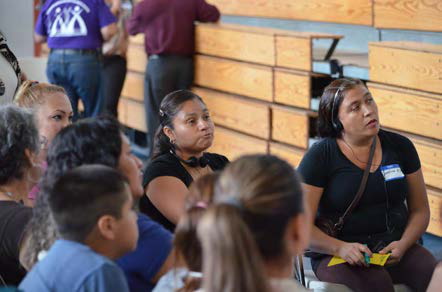
The SAT and community major accomplishments
- Held trainings for school budget operations
- Planning meetings were moved to areas more accessible to communities
- Xiong and his team are involved in every LCAP meeting
- Leveraged $1 million to hire youth education liaisons to improve success and equity for vulnerable populations

Findings: Transparent Budget & Beyond
The SAT re-directed funding to:
- create multilingual documents, translated automated phone calls and social media posts
- purchase interpretation equipment
- hire Hmong and Spanish interpreters
Xiong and the SAT gathered the community to participate in school meetings and advocate to be transparent and accessible

What’s Next
- Continuing to build people power in Merced to increase parents’ involvement in the school system
- More transparency with the millions of dollars provided by LCAP
- Xiong continues to bring community members together to improve equity and address racism in Merced schools and beyond
- Empowering and building leadership among community members to become school champions

Conclusion
- This story is about realigning resources to where they are most needed
- Students were falling behind; the SAT made a huge push to provide support to these students
- BHC Merced has transitioned to Valley Onward and continues their work
- Xiong and Rodriguez noted they learned so much through the process

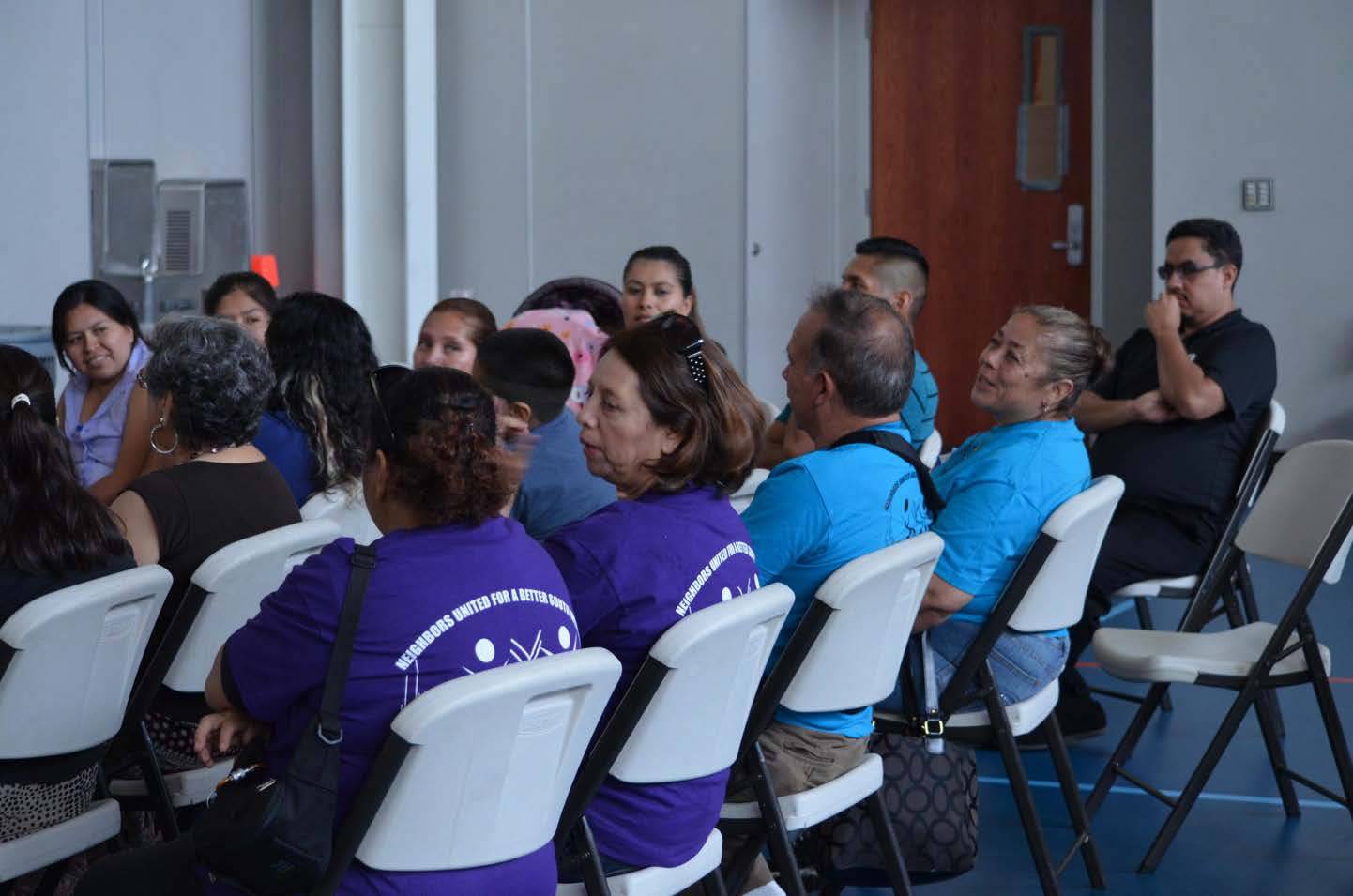
“[As an advocate] I used to speak on behalf of people and a lot of the time they didn’t really know why I was fighting for them, but community organizing is very intentionally helping people, nurturing their own skills, and helping them to realize their potential, and that’s a huge dynamic change from working in the past.”
–Tsia Xiong, Director of API Leadership, Faith in the Valley
Thank You
Contact Armando Ramirez at:
ramirez34am@mail.fresnostate.edu