Meeting the Moment: How CBOs Led the COVID-19 Response in Fresno County

Presented by:
Miguel Garcia, BS and Guadalupe Gomez, BS
Special thanks to:
Atziri Barboza, BA and Gladys Zamora, BA
Introduction
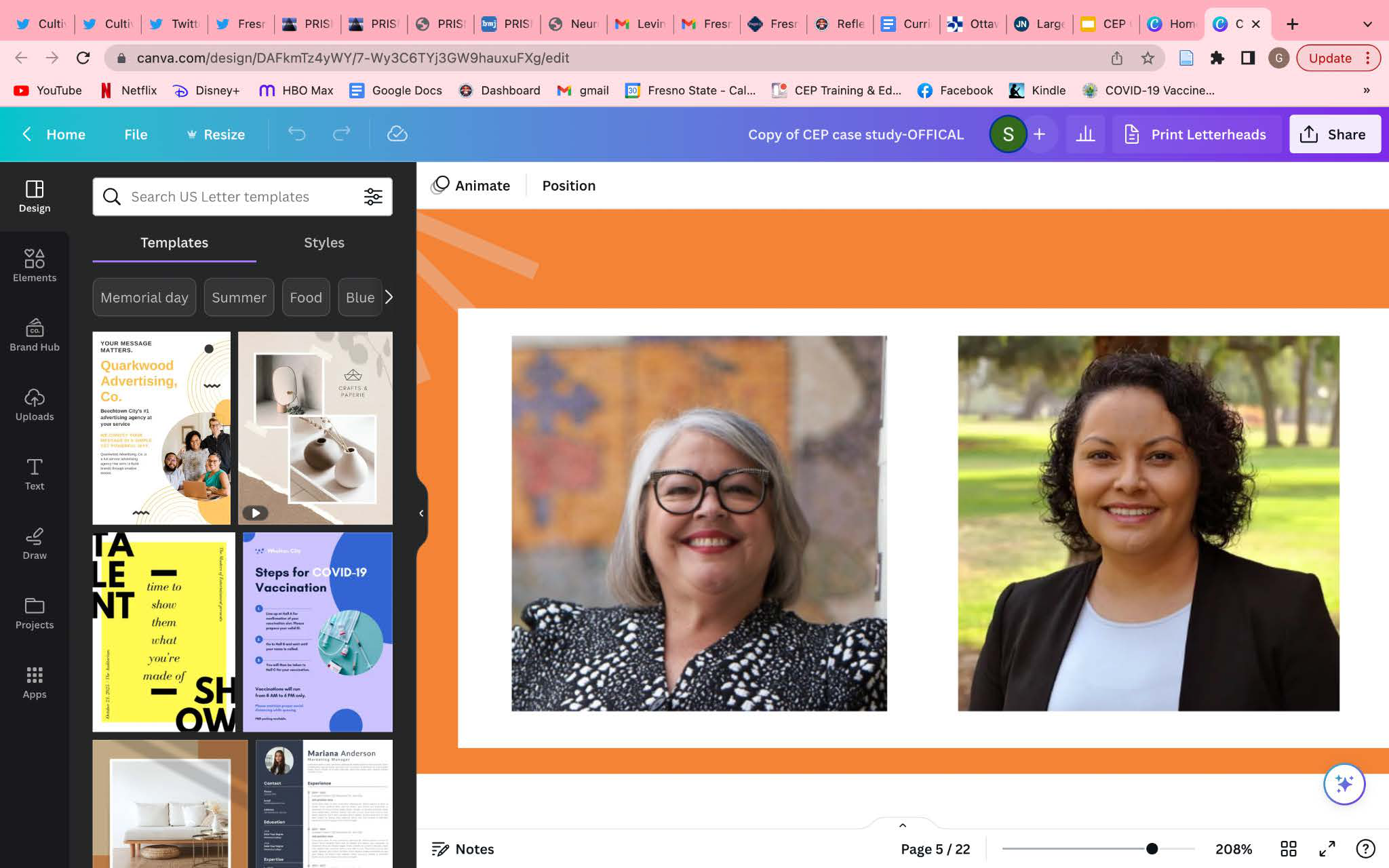
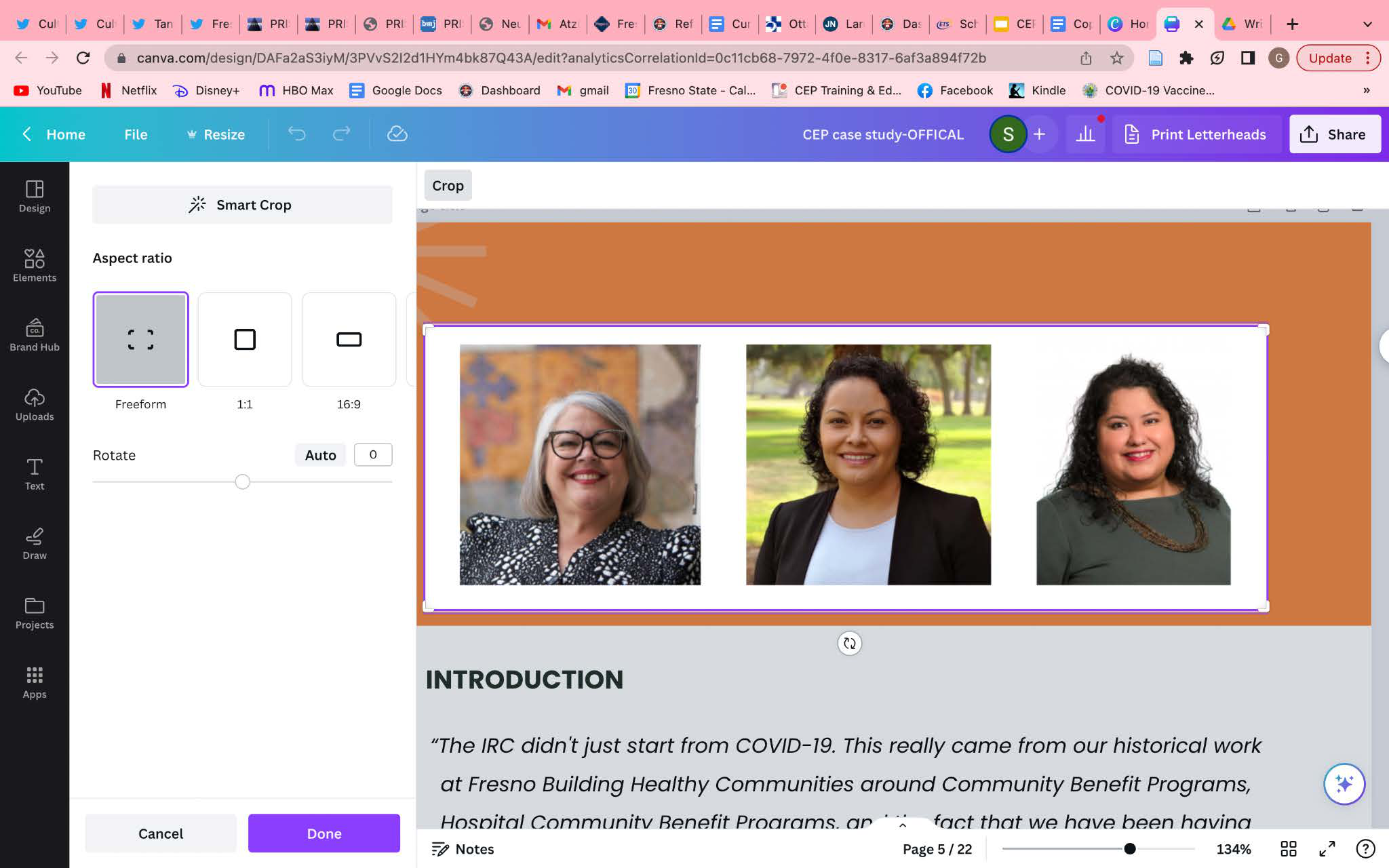
Purpose: Highlight the health equity leaders involved with the Fresno Building Healthy Communities (BHC) Coalition and who helped develop the Immigrant and Refugee Coalition’s (IRC) COVID-19 Equity Project (CEP). Their leadership in navigating the sociopolitical barriers to establishing and sustaining the Community Health Worker model powered by community-based organizations (CBOs).
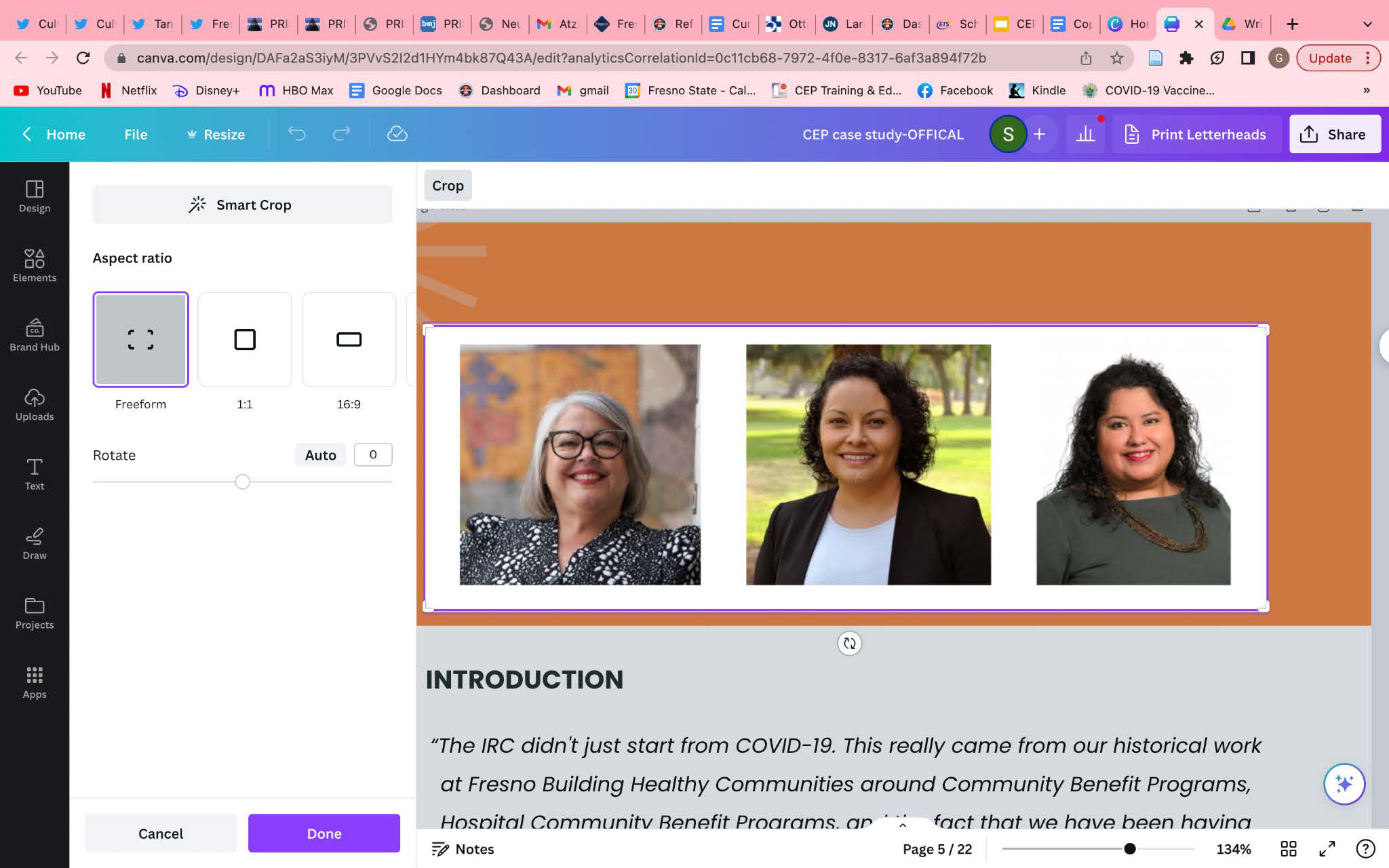
Key Informants: Three Health Equity Leaders
- Sandra Celedon
- Genoveva Islas
- Tania Pacheco-Werner


Sandra Celedon: President and CEO of Fresno Building Healthy Communities
Personal Background:
- Celedon migrated from Mexico as a young child and credits Calwa as an inspiration for her work
Career Background:
- Current President and CEO of Fresno BHC
- Before joining Fresno BHC, she served as a manager for outreach and enrollment programs at Clinica Sierra Vista
Career Highlights
- Health and Human Services Hero by Fresno State
- Champions for Equity Award
- Shared CEP outcomes at the invitation of the White House and the Centers for Disease Control and Prevention’s Summit on COVID-19 Equity and “What Works” Showcase
Genoveva Islas: Founder and Executive Director of Cultiva la Salud
Personal Background:
- Genoveva Islas was born in Fresno, California
- She became the first in her family to attend and graduate from college with an advanced degree
Career Background:
- Advocate for community health
- Led the Central California Regional Obesity Prevention Program
- She served on influential boards and currently contributes to the Fresno Unified School District School Board
Career Highlights
- Recognized as a Health and Human Services Hero, 2021
- Culture of Health Leader by the acclaimed Robert Wood Johnson Foundation
Tania Pacheco-Werner: Director at the Central Valley Health Policy Institute at Fresno State
Personal Background
- Tania Pacheco was born in Mexico and moved to the US at a young age
- Adapting to a new country brought a lot of challenges which she was able to overcome
Career Background
- Director of Central Valley Health Policy Institute (CVHPI)
- Focused on studying problems that affect community health
Career Highlights
- Woman of the Year for the 31st Assembly District in 2022
- Educator of the Year in the College Category by the Mexican American Education Association in 2022
Covid Equity Project and Theory of Change
Theory of Change (TOC): Building power and voice of those who have historically been excluded; create an “inclusive democracy and close health equity gaps”
The CEP’s structure reflects BHC’s TOC
- Systems and practice change focus
- CEP implemented an approach prioritized by Fresno BHC: meet people where they are
Community Health Worker Model to Address COVID-19
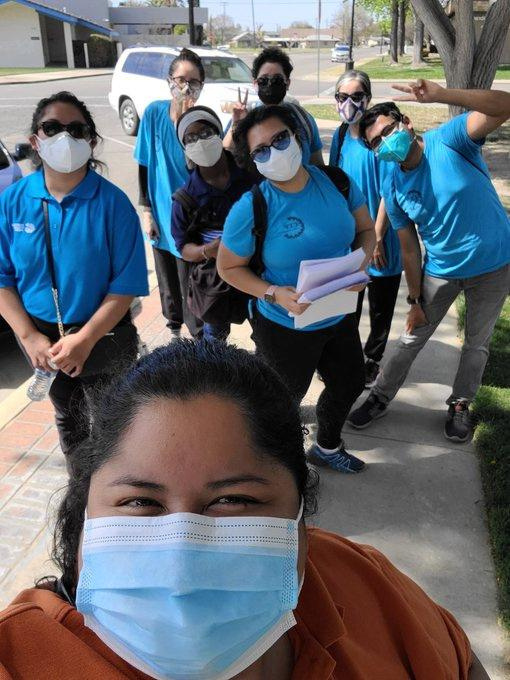
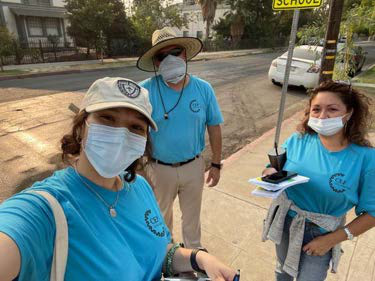
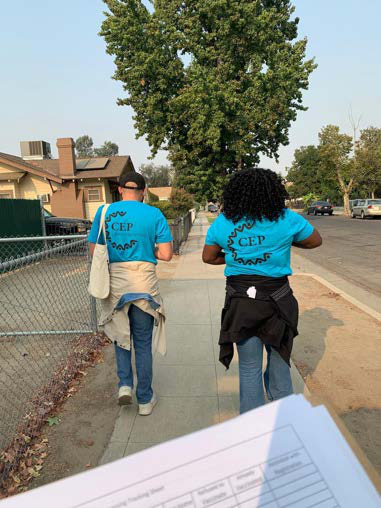
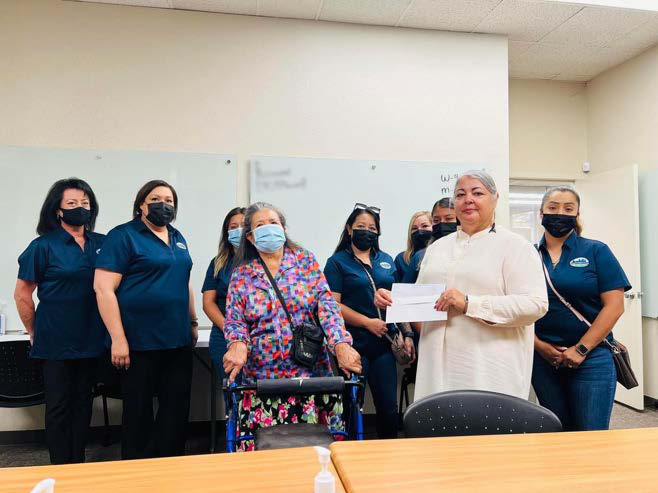
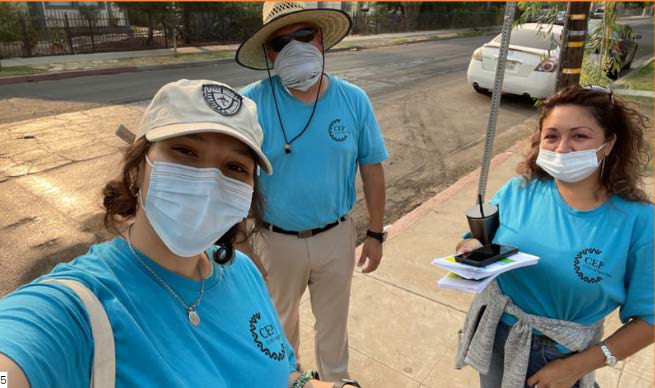
The CEP utilized a CHW model known as the Promotora Model to:
- Improve healthcare access for immigrants, refugees, and undocumented residents.
- Provide support services for underserved and hard-to-reach populations
Community members who come from the same background as the communities they were trying to serve were trained as CHWs
Addressing Inequities: Socio-political and Historical Challenges
- Integrating the CEP structure into existing city and county government agencies was challenging at the decision-making level
- The IRC secured $12 million in funding for the implementation of the CEP model; however,
they were not able to retain control of:
- how the program operated
- who would lead the work while working with County governing bodies
- The IRC faced structural biases and structural barriers from the board of supervisors
despite their years of experience
- Their professional experience was downplayed by the board of supervisors
- Initially, Fresno BHC was not appointed as the fiscal agent
- As the program continued, Fresno BHC took over this role
- Fresno BHC went on to become the fiscal agent, supported by years of experience and expertise in such a role
“Ultimately, the desire is there [to embed the CHW model]. Even if you’re giving our model to somebody else, it tells me you want to implement a model that prioritizes health equity and that’s half the battle,”
- Sandra Celedon, Fresno BHC’s CEO
- Difficulties in getting an agreement from local government bodies had to do with how the CEP challenged old systems used to address community health
- These old systems produce and reproduce inequities in community health outcomes
- CEP is a novel approach and it is disruptive to the way things have been historically
done by
- investing in community
- redesigning the role of the community as experts
- focusing on engaging the community to be part of the solution
Conclusion: The CEP and Shaping a New CHW Model
CEP has been incredibly successful:
- Praised by Governor’s office as a solution to addressing pandemic-related challenges
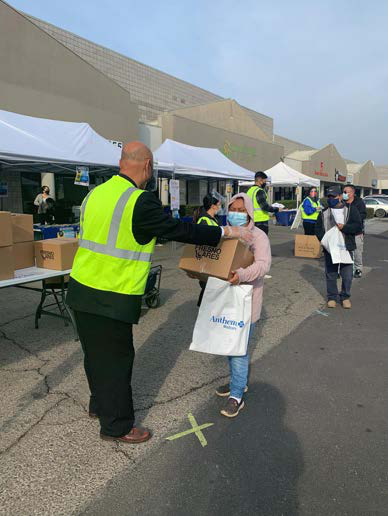
- Resulted in the dispensing of thousands of COVID-19 tests, vaccinations, and multilingual information throughout Fresno County
- Has been replicated in Monterey and Santa Cruz Counties
- Has become a launch pad for CBOs to expand their health equity work through new funders
- Has laid the foundation for new programs that center around health equity and utilize the CHW model
Thank you!
For more information, visit Central Valley Health Policy Institute at CVHPI.ORG