SYSTEMIC BARRIERS TO REFERRAL SUCCESS IN A RURAL FRESNO COUNTY, CALIFORNIA CHW INTERVENTION
Presented by: Dustin Hedrick, BA
Central Valley Health Policy Institute
California State University, Fresno
Abstract ID: 534912
Introduction
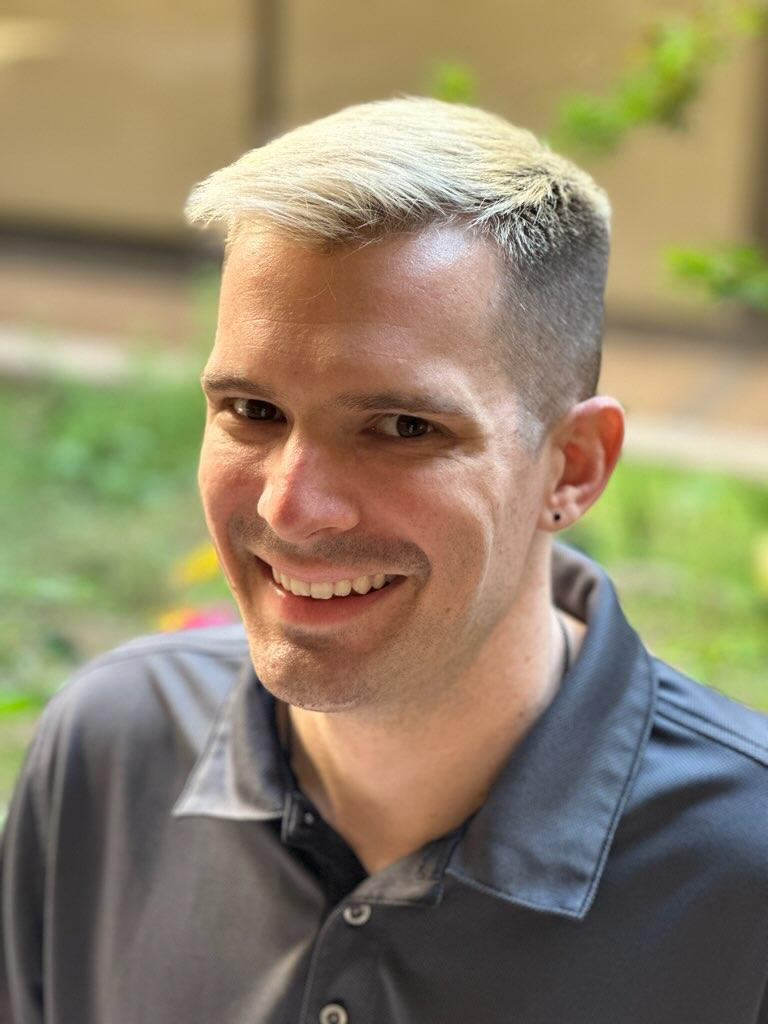
Dustin Hedrick, BA
Pronouns: he/him/his
Data Analyst
Central Valley Health Policy Institute
California State University, Fresno
Background
The Advancing Health Literacy (AHL) - Fresno County Project is a CHW-led initiative focused on improving health disparities in rural West Fresno County.
CHW responsibilities include:
- Administering assessments
- Providing referrals
- Developing Health Ed materials
- Facilitating Health Education
CVHPI was responsible for:
- Train CHWs to identify and create CLAS approved Health Ed Materials
- Analyze data and report to funders/partners
- Recommend program changes based on data
- Evaluate overall effectiveness of AHL-Fresno County
CHW Impact
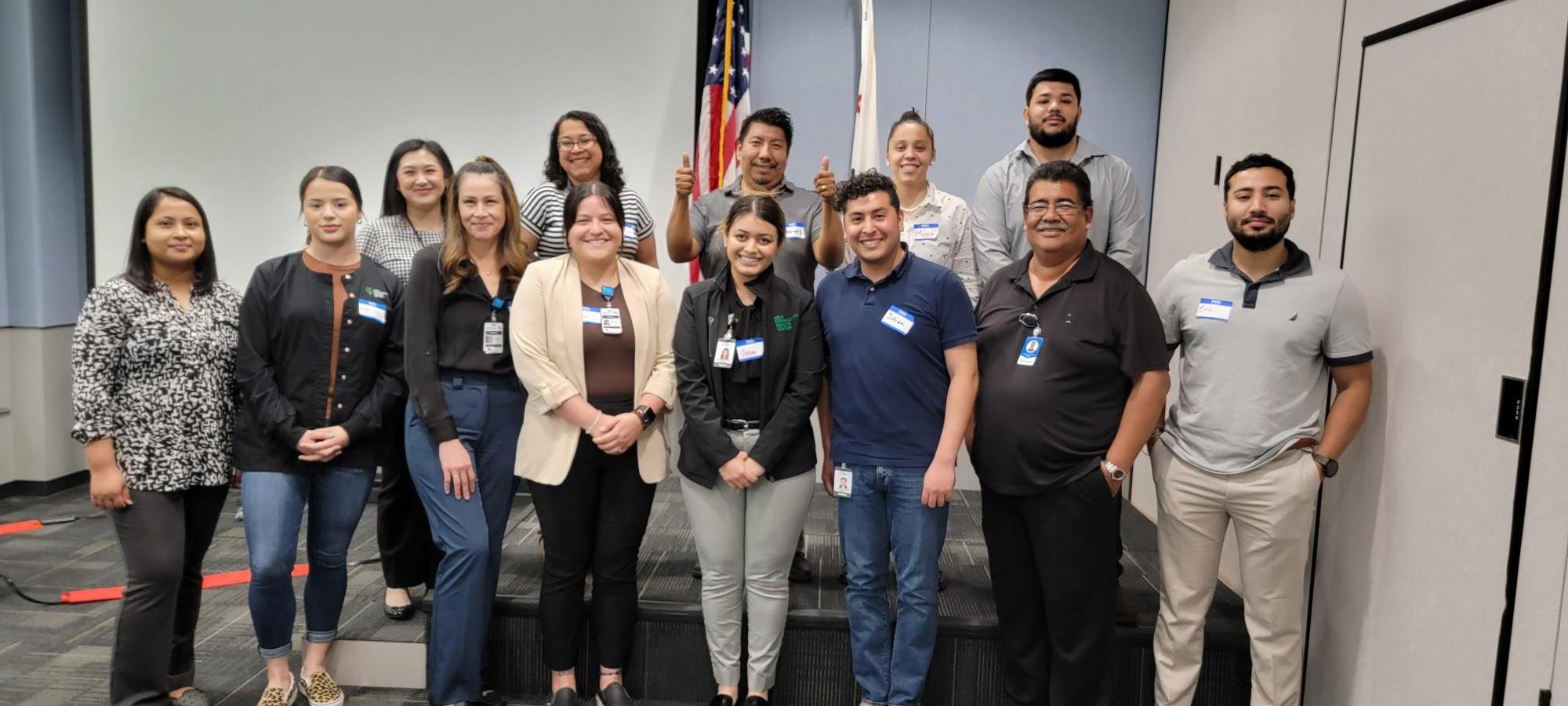
- Distributed 15,522 health education materials
- 4,036 related to COVID-19
- 211 COVID-19 vaccine referrals
- 3,439 individuals connected with during outreach
Methods
Qualitative Measures
- CHW and Supervisor Interviews (N = 27)
- 12 CHW participants
- 15 Supervisor participants
Quantitative Measures
- Data collected from 609 unique participants
- Questions ranged from food security to patient provider dynamics
- In the last 12 months, have you worried about running out of food before you have enough money to buy more?
- Does your doctor listen to you carefully?
Demographics
| Characteristic | Finding |
|---|---|
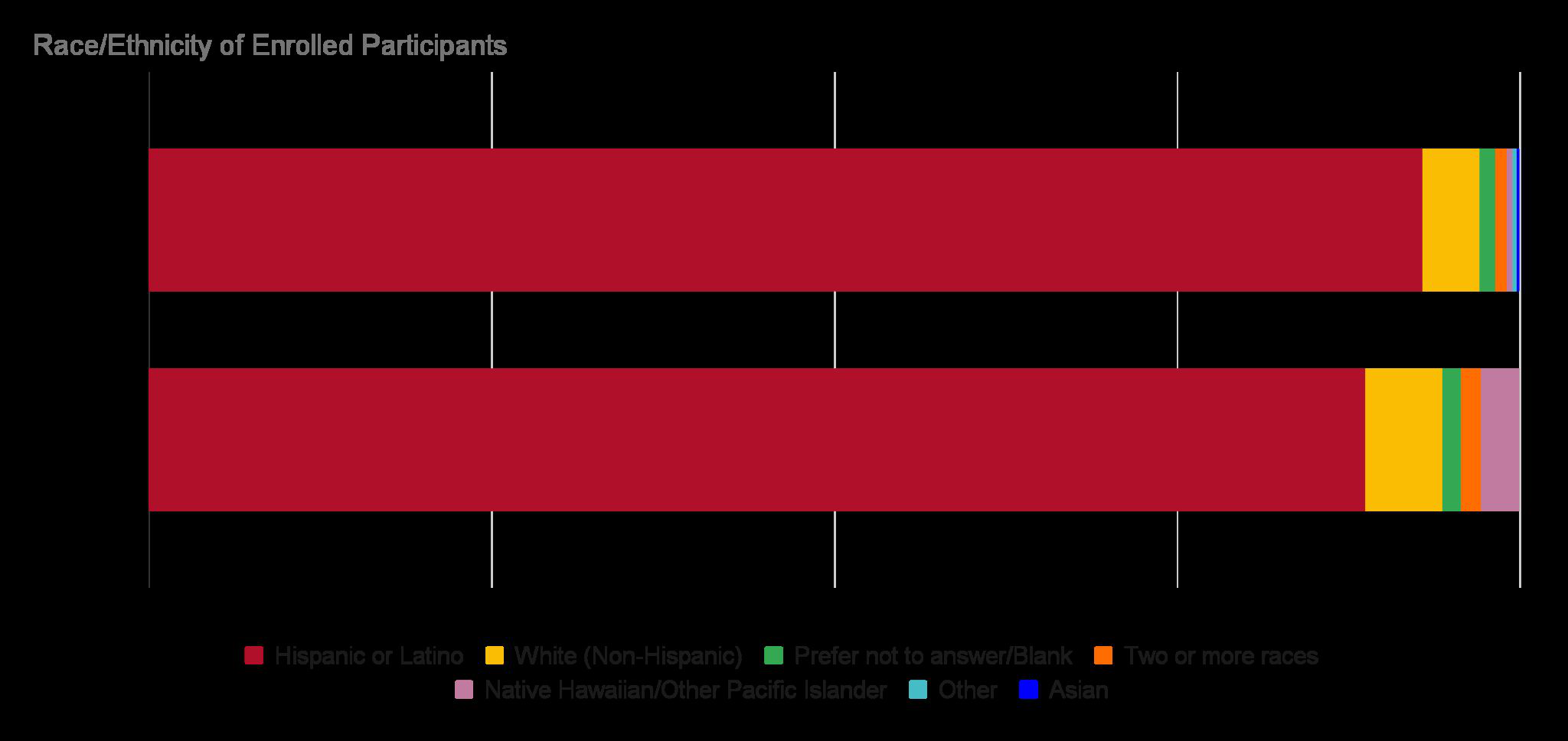
| Race and ethnicity | A majority of participants identified as Hispanic or Latino (92.92%). |
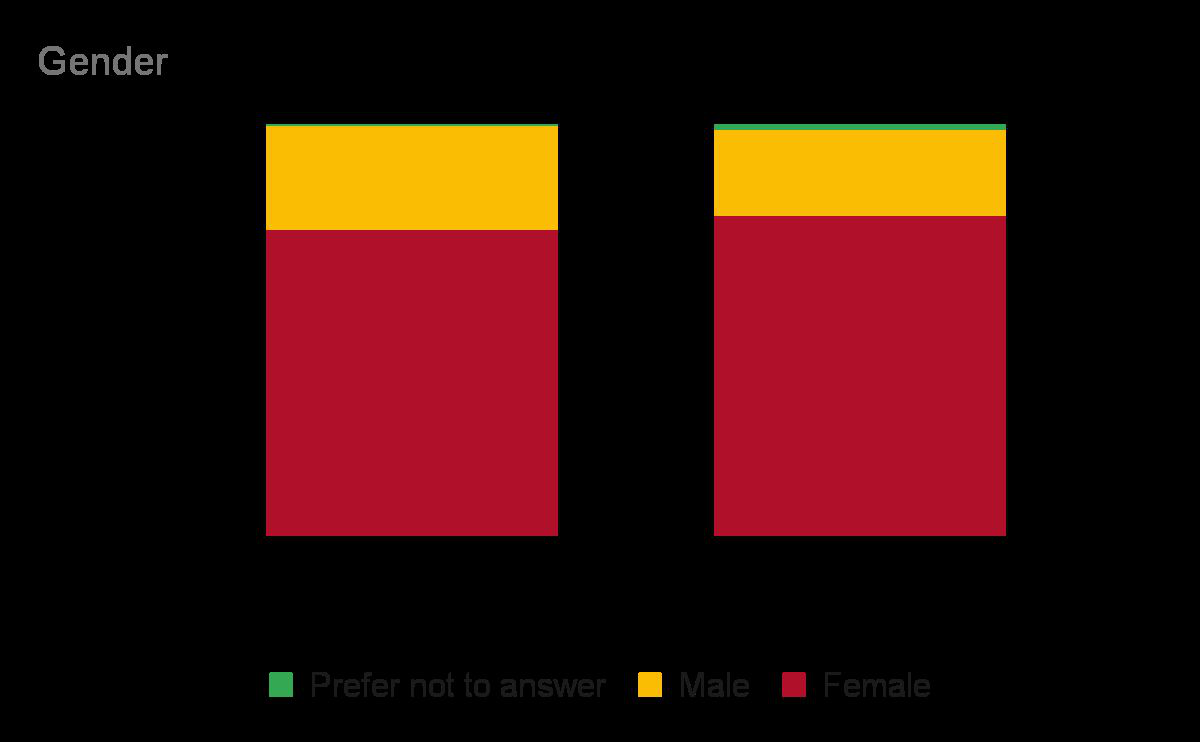
| Gender | Most participants identified as Female. |
| Age | Participants in the AHL program had a mean age of 48 years old (SD 15.23). |
Results
Health Literacy and Mental Health
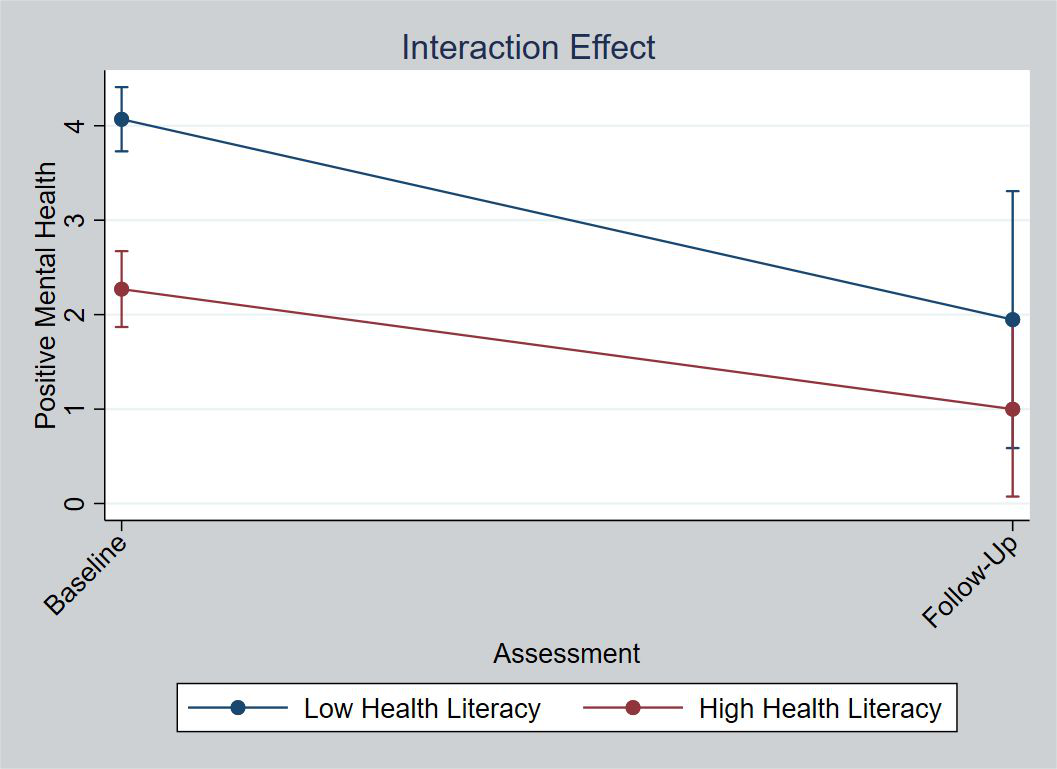
- This graph represents the relationship between health literacy and mental health scores at baseline and follow-up
- Lower average mental health scores at follow-up
Provider Relationships and Mental Health
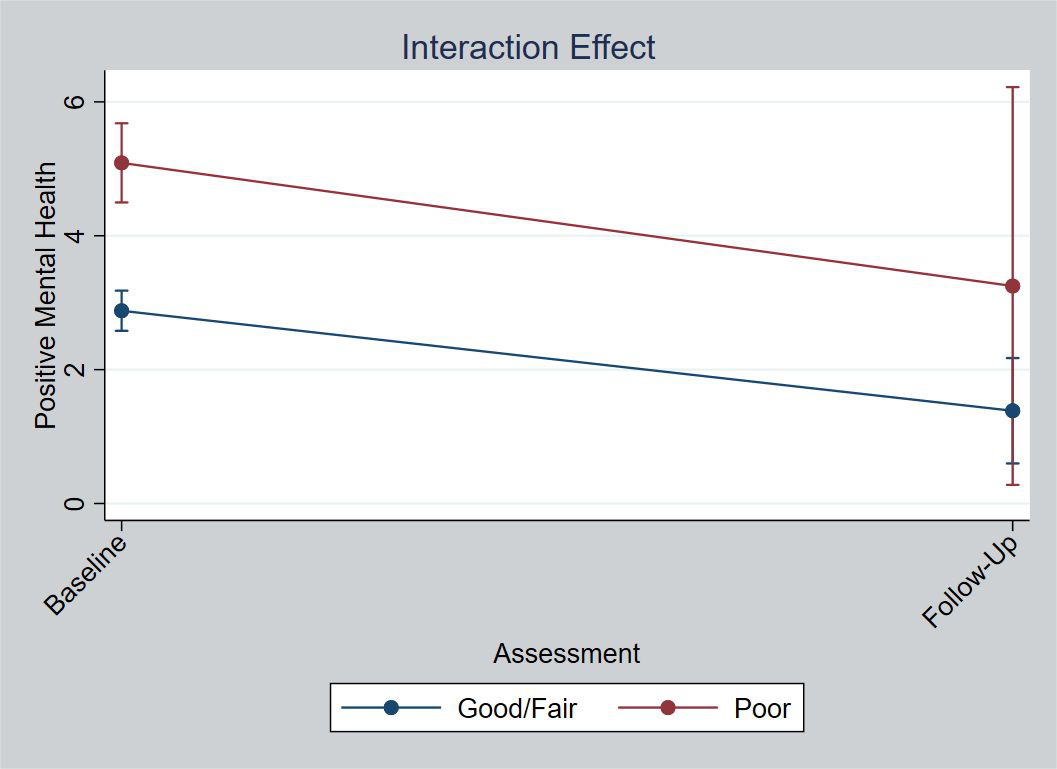
- This graph represents the relationship between positive provider relationship and mental health scores at baseline and follow-up
- Again we see lower average mental health scores at follow-up
Health Literacy and Vaccination Status
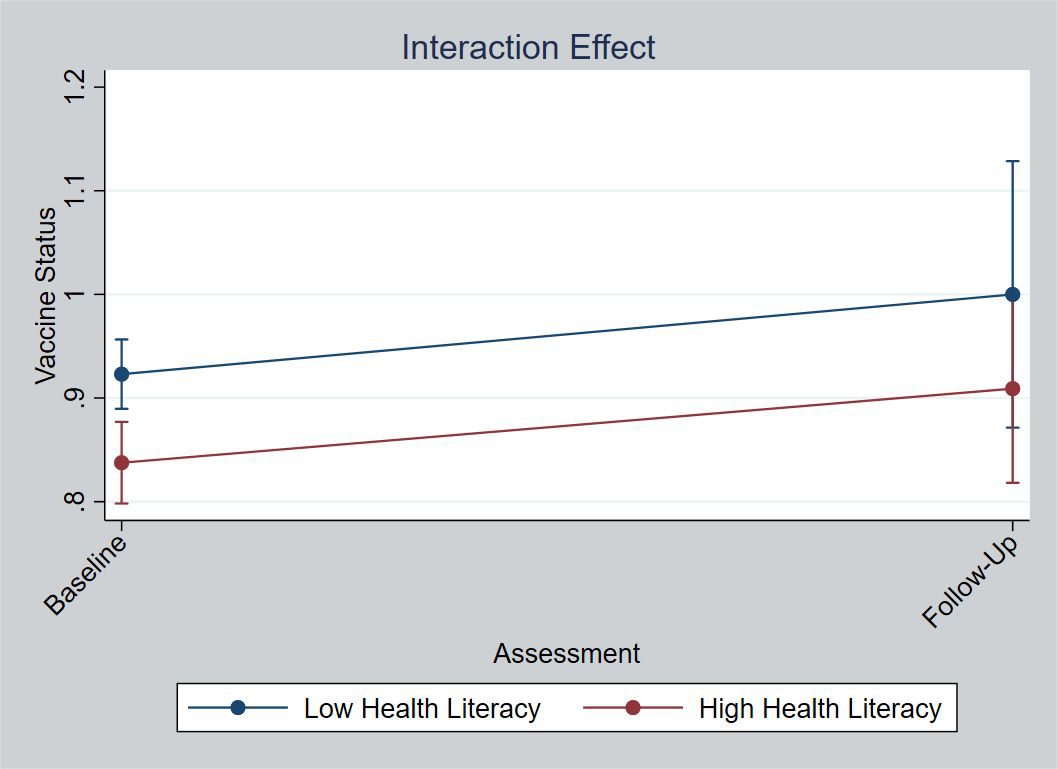
- This graph represents the health literacy and vaccination status at baseline and follow-up
- A higher concentration of those in the follow-up had received a COVID-19 vaccination
Discussion
Health Education
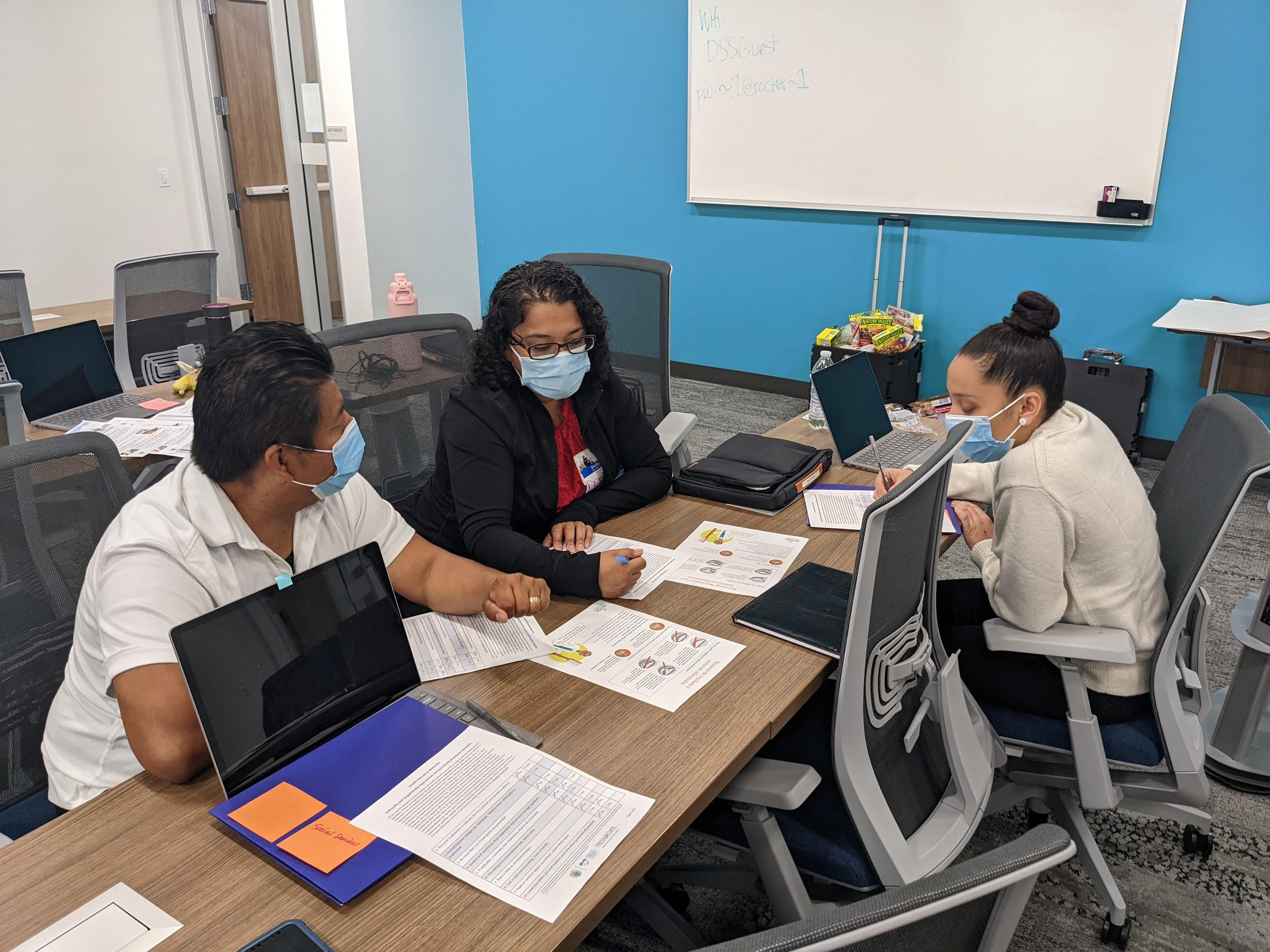
- Clients received health education as part of the study
- Clients were provided with knowledge and tools
- Clients may have been better able to identify their own needs
Referral Access
- Frustration with a lack of referral services
- Only 256 referrals were initiated
- During CHW interviews it was uncovered that some clients were not able to follow through with referrals due to inaccessibility (i.e. transportation, scheduling conflicts, and referral location)
Client Trust
- Client trust in the CHW
- CHWs commented on client mistrust of the healthcare system and the process of grant
based programs
- During anonymous CHW interviews, it was discussed that by the time CHWs have developed trust with the community the grant period ends.
- CHWs commented on client mistrust of the healthcare system and the process of grant
based programs
Recommendations
- Increased funding for CHW led interventions
- Increase the number of specialists available to rural communities
Limitations
- Limited referral availability
- Limited number of follow-up assessments
- Difficulties related to CHW turnover
Financial Disclosures
The Advancing Health Literacy - Fresno County team would like to extend a special thanks to these funders for making this project possible:
- Fresno County
- Office of Minority Health (OMH) of the U.S. Department of Health and Human Services (HHS)
There are no conflicts of interest for activities discussed in this presentation.
Thank you
Authors: Dustin Hedrick, BA; Kate Ingram, MPH; Davenna Morales, BS; Emanuel Alcala, PhD
Questions please contact: Dustin Hedrick at dustinhedrick899@mail.fresnostate.edu