CASE STUDY:
COVID-19 Support of Fresno County Asian Americans via Racially Concordant Community Health Workers

December 2024
Contributing Authors
Stephanie Chan, MPH
Tania Pacheco-Werner, PhD
Lulette Lipumano-Sanchez, DDS
Tiffany Jow, MS
Miguel Garcia Raya, BS
Acknowledgments
We at the Central Valley Health Policy Institute would like to thank the Immigrant Refugee Coalition’s (IRC’s) Asian American and Pacific Islander (AAPI) community, including the community health workers and their associated leadership to build a more equitable Fresno County. It is without a doubt that their passion, enthusiasm, and desire to support one another reached many in underserved populations within the Central Valley.
We would also like to offer gratitude for our partners and funders to allow the COVID-19 Equity Project to continue via efforts of the IRC. Without the support of government agencies, health agencies, community-based organizations, and funders, the work associated with the Fresno County AAPI communities would have remained silent.
CVHPI would like to thank the follow individuals for their contributions to the research project: Sohan Banerjee, BA, Atziri Barboza, BA, Guadalupe Gomez, BS, Gladys Zamora, BA, Ricardo Rubio Arteaga, BA, Ranvir Johal, BS, Armando Ramirez, BA, Ana Rubio Arteaga, BA, Dilpreet Sekhon, BS, Mary Her, BS, and John Capitman, PhD.
Cover art by Stephanie Chan.
Funding and Contributors
Health Resources and Services Administration, Kaiser Permanente, Fresno County Department of Public Health COVID-19 Equity Project, City of Fresno, and Fresno Unified School District commissioned this project to address the COVID-19 Pandemic. A neighborhood based Community Health Worker Model was developed to address disproportionately impacted marginalized communities and mitigate the spread of COVID-19.
Suggested Citation
Chan, S., Pacheco-Werner, T., Lipumano-Sanchez, L., Jow, T., & Garcia Raya, M. (2024). COVID-19 Support of Fresno County Asian Americans via Racially Concordant Community Health Workers. Central Valley Health Policy Institute.
For More Information:
Please visit our webpage at http://cvhpi.org or contact Tania Pacheco-Werner, PhD at tpacheco@csufresno.edu for additional details about this study.
AI Disclosure
This report is supported by minor edits using OpenAI’s ChatGPT 4.o for formatting purposes.
EXECUTIVE SUMMARY
Background
Racial concordance between the CHW and community members have shown positive outcomes for preventative care among Asian American and Pacific Islander (AAPI) patients in healthcare systems. Fresno County community health workers (CHWs) offered a way for these AAPI communities to receive timely care and prevention during the COVID-19 pandemic. With over 109,000 AAPI community members in Fresno County, the CHWs helped this community navigate COVID-19-related information, allowing for an increased participation of these communities in COVID-19 testing and vaccination efforts.
This paper outlines the work of AAPI CHWs as part of the Immigrant Refugee Coalition (IRC), a collaborative group of community based organizations helping lead Fresno County’s pandemic response through the COVID-19 Equity Project (CEP). CEP brought medical providers, county public health, and community based organizations and their CHWs to reach out to underserved populations in innovative and culturally appropriate ways to maximize prevention and treatment efforts in those communities. Having already developed relationships with their communities, community-based organizations hired, trained, and allocated CHWs for COVID-19 relief efforts. These community-based organizations partnered to create the Immigrant Refugee Coalition (IRC). The IRC sought to carry out the COVID-19 Equity Project’s (CEP’s) activities, seeking to alleviate health disparities brought about by COVID-19. Under this project, the IRC CHWs outreached these communities, conducted contact tracing, administered COVID-19 vaccines and testings, delivered health information, assisted in COVID-19 financial assistance via Isolation and Quarantine Support (IQS), and helped the community stay up-to-date with COVID-19 policies and science.
| AAPI subgroup | Percent | Estimated number |
|---|---|---|
| Hmong | 26.3% | 36,426 |
| Asian Indian | 18.0% | 24,969 |
| Filipino | 13.3% | 18,420 |
| Laotian | 7.0% | 9,727 |
| Chinese, except Taiwanese | 6.7% | 9,310 |
| Japanese | 5.3% | 7,380 |
| Khmer | 4.7% | 6,569 |
| Sikh | 3.8% | 5,297 |
| Vietnamese | 3.8% | 5,231 |
| Asian | 3.0% | 4,112 |
| Other Asian , not specified | 2.9% | 4,070 |
| Korean | 1.8% | 2,562 |
| Thai | 0.8% | 1,093 |
| Pakistani | 0.8% | 1,090 |
| Taiwanese | 0.4% | 506 |
| Indonesian | 0.3% | 474 |
| Mien | 0.2% | 343 |
| Central Asian | 0.1% | 182 |
| Burmese | 0.1% | 177 |
| Sri Lankan | 0.1% | 154 |
| Afghan | 0.1% | 151 |
| Bangladeshi | 0.1% | 145 |
| Nepalese | 0.1% | 107 |
| Malaysian | 0.1% | 77 |
| Mongolian | 0.0% | 38 |
| Lahu | 0.0% | 32 |
Investigating the AAPI Community Pandemic Response
There are very few academic reports written about AAPI communities in Fresno County, California. Due to the limitations in health policy recommendations and detailed data reports of Fresno County AAPI communities, it is difficult to ascertain the impact of COVID-19 on AAPI communities in Fresno County as a whole. However, CVHPI worked with IRC partners to collect data and information about AAPI impact during the COVID-19 pandemic and perspectives on how the CHW response was uniquely experienced among the AAPI communities. Quantitative investigation asked the following questions:
- How did Fresno County community-based organizations engage with AAPI community members in Fresno County during the COVID-19 pandemic?
- What were the major impacts of the COVID-19 pandemic on AAPI IRC CHWs on a personal and professional level?
Qualitative investigation asked the following questions:
- How did AAPI CHWs engage in racial concordance work with their communities during the pandemic?
- What challenges or obstacles did AAPI CHWs encounter or navigate while providing COVID-19 outreach and support?
Methods
Quantitative Analysis Methods
The IRC CHWs tracked their outreach, vaccinations, testing events, and contact tracing activities via the REDCap platform. This data was filtered to determine the number of AAPI community members served via administration of COVID-19 vaccine dosages, COVID-19 tests, and contact tracing. Additionally, a focus group PreSurvey through Qualtrics collected data with questions comprised of the following:
- Professional experience as an IRC CHW during the COVID-19 pandemic.
- Personal impacts as an AAPI individual during the COVID-19 pandemic.
-
A series of questions about experiences over different time points of the COVID-19
pandemic:
- Early (Spring 2020 - Winter 2020)
- Middle (Spring 2021 - Winter 2021)
- Most Recent (Spring 2022 - Winter 2022)
- CHW self-reported demographic information.
Datasets from REDCap and Qualtrics were processed via IBM SPSS Statistics.
Qualitative Analysis Methods: Focus Groups
CVHPI conducted 2 focus groups in December 2022 intended for the AAPI IRC CHWs. Two focus groups were held through the Zoom platform with a total of 14 participants who filled out a PreSurvey asking about work experience, personal experience, and self-reported race/ethnicity. In total, 7 identified as Hmong, and 7 identified as Punjabi. Transcripts and recordings were downloaded from Zoom’s management interface. CVHPI researchers double-checked the transcripts for accuracy before sending them for coding. A codebook was generated as codes emerged, and the final codes were subject to thematic analysis via grounded theory. Grounded theory was used to determine the major themes that reflect the Fresno County AAPI experience.
Findings
The AAPI IRC CHW impact on AAPI Community Members and AAPI IRC CHWs
The AAPI groups were the second-largest groups to be served by the IRC CHWs, with a total of 751 being served in education events, 631 in testing and vaccination events, 594 contacted for contact tracing, and 732 follow-up interviews with close contacts. A total of 381 testing and vaccine events and 372 education events served the Hmong community. The second-largest group served was the Punjabi community, with 96 testing and vaccination events and 174 education events. The third-largest community served were Khmer, with 95 testing and vaccination events and 120 education events.
AAPI IRC CHW PreSurvey Data
A total of 14 AAPI IRC CHWs answered the PreSurvey and participated in the focus group. The racial breakdown of the AAPI IRC CHWs was split evenly between Hmong (n=7) and Punjabi (n=7). All participating AAPI IRC CHWs felt connections with their community members and reported having a great experience for doing COVID-19 work because of community member(s). Overall, the CHWs increased in motivations to improve their mental health and emotional well-being, their physical health, and optimism about the COVID-19 pandemic. By contrast, anxiety about the COVID-19 pandemic decreased by the most recent time of the pandemic. Additionally, experiences of discrimination against AAPI people outside of work decreased throughout the pandemic.
Focus Group Findings
Theme 1. CHWs improved community inclusion and collaboration among AAPI communities
The AAPI IRC CHWs built relationships with community members, cultivating trust along the way. Trust came in the form of frequent outreach in vulnerable areas, comfort with receiving information from a racially concordant health leader, advocacy for labor rights, and collaboration with other, like-minded organizations and clinics. The collaborative efforts of the IRC and its CEP partners allowed them to contribute to their communities in preventing COVID-19 spread in a manner that would not have happened without CHW support.
Theme 2. AAPI CHWs are experts with lived experience who used their combined professional and personal skills and knowledge to improve COVID-19 community health
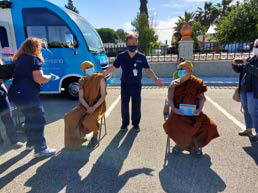
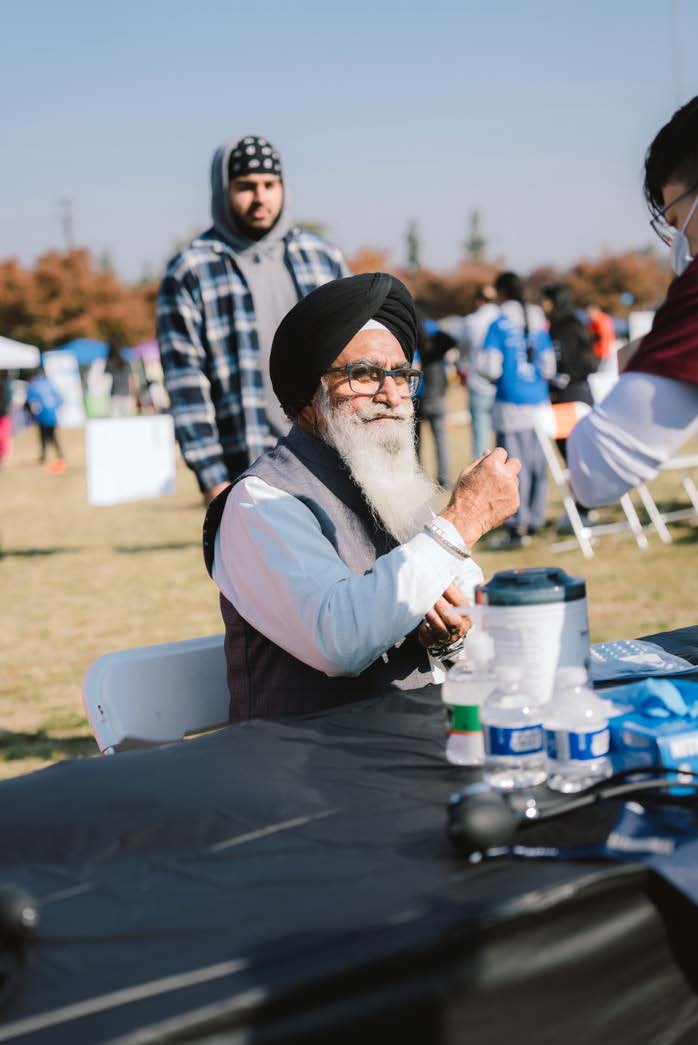
The Fresno County AAPI IRC CHWs saw their own family members and their experiences in the lives and stories of the community members they served. This kept work ethic toward COVID-19 work high. This motivation guided their desires to engage in CEP activities and help make them as successful as possible. Since CHWs spoke the same language and often practiced the same religion and cultural activities as the communities they served, they were able to share COVID-19 information in a digestible way. Furthermore, culturally sensitive solutions allowed Punjabi and Hmong communities to engage in positive outreach and support. Punjabi CHWs utilized Gurdwaras, which are religious and cultural centers, as starting points for health information, PPE, and food distribution. Similarly, Hmong CHWs identified locations with a large Southeast Asian population. CEP-related events distributed rice and other major cultural staples to Southeast Asian families.
Challenges among the Fresno County AAPI community during the COVID-19 pandemic
Community reluctance towards COVID-19 support & resources
The AAPI IRC CHWs noticed hesitance and distrust towards political and health systems and COVID-19 support. Many AAPI community members declined or avoided COVID-19 support altogether. Many communities believed the CHWs worked for the government, resulting in the decline in COVID-19 supports. Communities constantly blamed and shamed each other for a positive COVID-19 test, resulting in isolation and avoidance of COVID-19 support. This included falsifying COVID-19 diagnoses or avoiding COVID-19 testing altogether.
Accessibility concerns during the COVID-19 pandemic
The most common barrier to COVID-19 information was language barriers, which enabled misinformation and anecdotes to overtake the AAPI communities’ knowledge base. Technological access and literacy was also difficult during the COVID-19 pandemic, especially with telehealth and vaccine registration generally being online. Many Fresno County AAPI community members live in rural areas, where technology is limited. Digital literacy challenges were also true for the elders and seniors, who do not have the same knowledge base for using web platforms to sign up for vaccines or health appointments. The AAPI communities were also challenged with the restriction of panic buys of staple goods, adding strain to already existing stress in low income families within Fresno County AAPI communities.
COVID-19 Difficulties within AAPI Communities
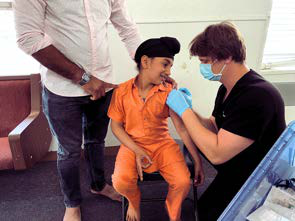
Elders and seniors within AAPI communities were particularly impacted by the initially shelter-in-place orders of the COVID-19 pandemic. Among Sikh men, a beard and turban are important symbolic pieces worn with pride within their community. Since there was no guidance for people wearing turbans and had beards, the Sikh community felt excluded with mask guidance seemingly not prioritizing their safety. Hmong funerals traditionally last 3 to 4 days. With the COVID-19 shelter-in-place orders, Hmong community members questioned their own traditional beliefs. Anti-AAPI discrimination made it incredibly hard for AAPI communities to leave home for essential needs. Safe spaces were hard to find among AAPI community members with the animosity towards the AAPI community.
AAPI elders and seniors in Fresno County
AAPI elders and seniors hold a very special status among many AAPI communities. Elders spend their years taking care of the family, and as such, it is generally expected that the younger generations return that care in old age. As such, conversations discussing the care of AAPI elders’ health were common among AAPI IRC CHWs. Key instrumental support for AAPI elders was limited, such as with digital support for health appointments and vaccine registration, as well as interpretation and translation services to information and health appointments, and at-home isolation-related concerns. Hmong elders were terrified of dying alone, preferring to stay at home with their families rather than be hospitalized for medical treatment with COVID-19.
Discussion
Thousands of COVID-19 tests and vaccinations were provided to members of the COVID-19 pandemic, and hundreds more were outreached during the contact tracing processes. Creating the environment to racially coordinate identities together initiated the trust necessary to connect distrustful community members with health systems. CHW work offered supportive outlets, positive experiences, and soft skill improvement for the CHWs. A majority of the CHWs shared that their job was filled with positive impacts in job, educational, and economic opportunities, as well as emotional support, and soft skills improvements.
The AAPI community really struggled with the discrimination against AAPI peoples at times during the pandemic, which was especially true for Hmong CHWs and their community. Communities also found challenges in technology, misinformation, and participating in cultural activities. However, racially concordant CHWs were able to soften the struggles brought about by these challenges. Hmong CHWs talked about how welcoming Hmong community members felt going into community events. Punjabi CHWs shared creative outlets to co-exist with important traditions of Sikh communities.
This case study sought to offer an entry point for encouraging more health policies to consider AAPI CHWs as a core piece of AAPI community health. The findings presented in this report clearly indicated the importance of AAPI CHWs as a core piece of improving community health and encouraging health equity for all. Limitations to this case study included a small sample size of Hmong and Punjabi CHWs, as well as confusion over the definition of “Asian American” in the PreSurvey. Such limitations may offer an invitation for ethnic and racial studies experts to further explore the understanding of the official definitions of “Asian American” among AAPI communities.
Background
Community health workers (CHWs) were a critical part of the community health workforce during the COVID-19 pandemic and exhibited resiliency and adaptability amidst COVID-19 challenges (Mayfield-Johnson et al., 2020). CHWs are also able to uniquely perform a variety of health care worker activities, including community engagement, outreach, risk identification, making social services referrals, and conducting screenings for anxiety and depression (Rahman et al., 2021). CHWs work directly with diverse groups and cultures. This offers the opportunity for racially concordant care between a CHW and the community members they serve.
Racially concordant care has been found to be associated with positive outcomes for preventative care among Asian American patients in health care systems. Additionally, patients experiencing racial concordant care are more likely to visit their providers for ongoing medical concerns (Ma et al., 2019). Racially concordant Asian American and Pacific Islander (AAPI) CHWs in the West Coast region of the United States have improved preventative health services access among AAPI populations. Usage of lay health workers and CHWs have been shown to increase the rates of health screenings, health education, and health information among Hmong, Korean, Vietnamese, Chinese, and Khmer (Cambodian) communities all over California (Chen, Fang et al., 2013; Jo et al., 2017; Nguyen et al., 2010; Taylor, Bastani et al., 2013; Taylor, Burke et al., 2013; Taylor, Jackson et al., 2010). In Washington state, CHWs helped improve the health knowledge of hepatitis B virus and cervical cancer screenings among Cambodian and Vietnamese communities (Nguyen et al., 2010; Taylor Bastani et al., 2013; Taylor, Burke et al., 2013; Taylor, Jackson et al., 2010). Another study noted that Hmong CHWs improved health screening outcomes for hepatitis B (Chen, Fang et al., 2013) and colorectal cancer in culturally competent ways (Chen, Fang et al., 2013; Tong et al., 2017). Use of racially concordant CHW-community member relationships fosters improved health outcomes among Asian Americans communities.
The United States Census Bureau broadly defines Asians as: “A person having origins in any of the original peoples of the Far East, Southeast Asia, or the Indian subcontinent including, for example, Cambodia, China, India, Japan, Korea, Malaysia, Pakistan, the Philippine Islands, Thailand, and Vietnam” (Chen, Fang et al., 2013). In alignment with this broad definition, we have chosen to define “Asian American and Pacific Islander” (AAPI) to include Indian subcontinent groups, such as Punjabi, for this report. According to the Healthy Fresno County Community Dashboard (Conduent Healthy, 2023) Fresno County is home to 109,492 individuals who self-identify as Asian American or Native Hawaiian/Pacific Islander (AAPI). A more detailed estimate of the subgroups of AAPI communities in Fresno County was estimated by the American Community Survey by the U.S. Census Bureau (U.S. Census, 2022).
| AAPI subgroup | Percent | Estimated number |
|---|---|---|
| Hmong | 26.3% | 36,426 |
| Asian Indian | 18.0% | 24,969 |
| Filipino | 13.3% | 18,420 |
| Laotian | 7.0% | 9,727 |
| Chinese, except Taiwanese | 6.7% | 9,310 |
| Japanese | 5.3% | 7,380 |
| Khmer | 4.7% | 6,569 |
| Sikh | 3.8% | 5,297 |
| Vietnamese | 3.8% | 5,231 |
| Asian | 3.0% | 4,112 |
| Other Asian , not specified | 2.9% | 4,070 |
| Korean | 1.8% | 2,562 |
| Thai | 0.8% | 1,093 |
| Pakistani | 0.8% | 1,090 |
| Taiwanese | 0.4% | 506 |
| Indonesian | 0.3% | 474 |
| Mien | 0.2% | 343 |
| Central Asian | 0.1% | 182 |
| Burmese | 0.1% | 177 |
| Sri Lankan | 0.1% | 154 |
| Afghan | 0.1% | 151 |
| Bangladeshi | 0.1% | 145 |
| Nepalese | 0.1% | 107 |
| Malaysian | 0.1% | 77 |
| Mongolian | 0.0% | 38 |
| Lahu | 0.0% | 32 |
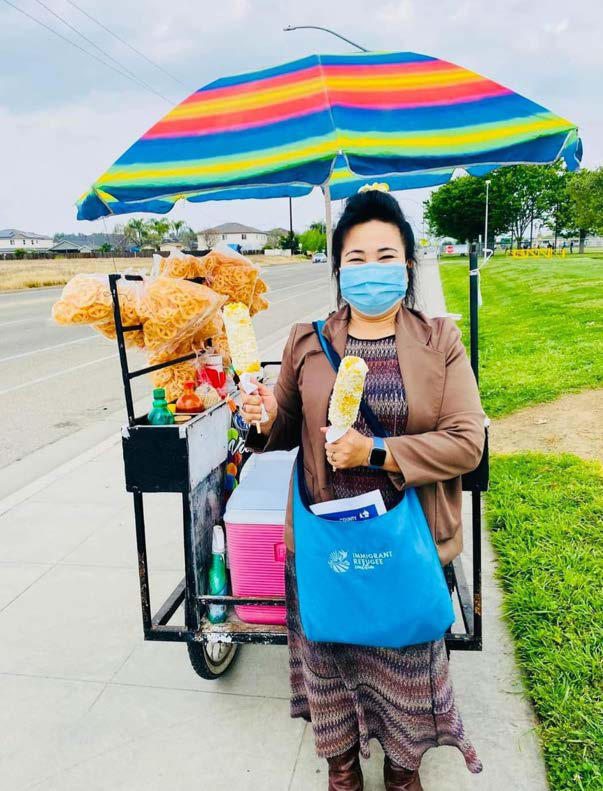
As shown in Figure 1, Fresno County is home to many Southeast and South Asians. According to the U.S. Census Bureau estimates, Filipino, South Asian, and Hmong individuals make up most of the Fresno County AAPI community (U.S. Census Bureau, n.d.). In Fresno County, AAPI health is currently tracked as an aggregate of AAPI groups data shared on the local Healthy Fresno County Community Dashboard (Conduent Healthy Communities Institute, 2023). When reporting different health conditions or social determinants of health measures, the Community Dashboard can be inconsistent. For instance, the Breast Cancer Incidence Rate is highlighted to be the lowest among the combined groups of “Asian/Pacific Islanders”. By contrast, the data containing 9th grade students who are at a healthy weight or underweight data breaks down the AAPI groups to “Asian” (65.1%), “Filipino” (64.8%), and “Native Hawaiian/Pacific Islander” (47.4%). In terms of data interpretation, this inconsistency perpetuates the already existing challenges when aggregating “Asian American and Pacific Islander” groups.
Due to the broad definition of AAPI by the U.S. Census Bureau, it can be difficult to determine specific needs of vulnerable populations when they are aggregated with subpopulations with different health outcomes. Rather, when disaggregating AAPI data, there is evidence to support improvement in identifying needs of vulnerable subpopulations (Shimkhada et al., 2021). If data interpretation only shares an averaged story, this makes it all the more difficult to develop sustainable and sound health policy recommendations for specific Fresno County AAPI communities. In order to understand the populations in real-time, reliance on community-based organizations who work with them every day is critical. CBOs are not only able to provide a better understanding of the demographics, but also of the current and emerging needs of the population, as well as best practices for outreach and education.
The COVID-19 Equity Project and the Immigrant Refugee Coalition
The COVID-19 pandemic shifted a spotlight into Community Health Workers and their ability to quickly reach the populations that were not going to be able to be reached through traditional public health means. The COVID-19 pandemic brought on feelings of uncertainty and added stress all across the world (Afifi et al., 2011). Populations collectively experienced feelings of loneliness, anxiety, and stress (Chen, Pusica et al., 2021; Parlapani et al., 2021). Community-based organizations (CBOs) and their CHWs in Fresno County sought to mitigate these feelings and prevent the spread of COVID-19. Many Fresno County CBOs spent years developing a relationship with vulnerable communities. The CHWs in these CBOs built trust and empowered communities to make healthy choices in regard to the pandemic. CHWs became were also key to COVID-19 relief efforts such as distribution of Personal Protective Equipment (PPE), isolation and quarantine supports, and vaccine access.
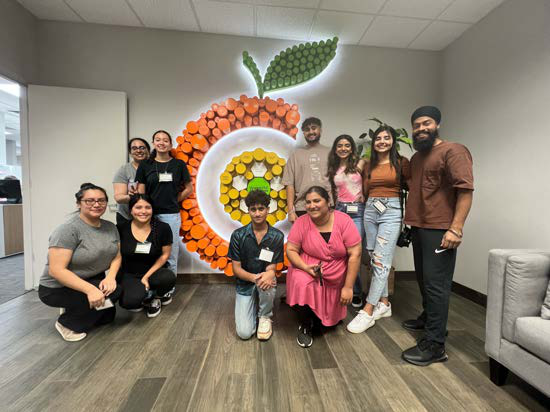
The COVID-19 Equity Project (CEP) in Fresno County, California sought to improve resources and support to underserved communities during the COVID-19 pandemic. From December 2020 through January 2021, the CEP encompassed three coalitions across Fresno County, including the African American Coalition, the Disabilities Equity Project, and the Immigrant Refugee Coalition (IRC), UCSF Fresno, and the Fresno County Department of Public Health. However, coalitions were doing COVID related work before December 2020 and have continued to do meaningful CHW work beyond their dissolution. This report focuses on the efforts of IRC from the inception of the project and through 2023. The IRC comprises the following CBOs: CVHPI, Cultiva La Salud, Fresno Building Healthy Communities, Fresno Interdenominational Refugee Ministries (FIRM), and Jakara Movement. The IRC was a key nexus to the AAPI community throughout the pandemic.
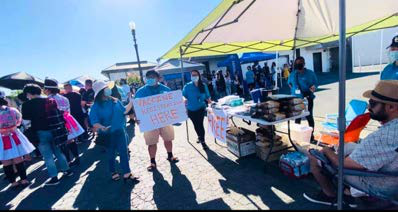
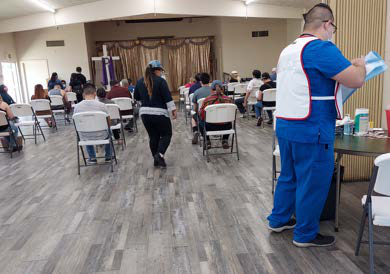
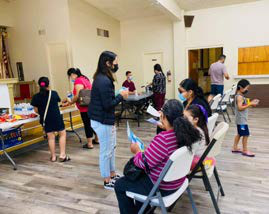
Activities for the IRC CHWs included community education and outreach, contact tracing, administering testing, and facilitating the administration of vaccines, and distribution of financial assistance via Isolation and Quarantine Support (IQS). Conducting these activities with accuracy necessitated staying current with the most recent COVID-19 policies and science. CHWs went to the local communities in their places of comfort, including neighborhoods, stores, religious and cultural centers, and parks, in order to reach the most vulnerable populations. The IRC CHWs also hosted culturally inviting health events that include COVID-19 vaccinations and testing to improve access in underserved communities with food, music, and a place for families to bring their kids and get essential pandemic needs met.
Investigating Fresno County AAPI Groups through the lens of AAPI CHWs
Many AAPI communities experienced discrimination during the COVID-19 pandemic globally (Ta et al., 2022). Specifically in California between 2020 - 2021, there was a 177% increase in anti-Asian hate crime (Bonta, 2022). These hate crimes at the beginning of the COVID-19 pandemic are likely associated with COVID-19 (Ta et al., 2022). Such discrimination related to COVID-19 has been linked to an increase of anxiety and depression (Wu et al., 2021). In addition to this, research on Fresno County AAPI health policy is limited. Between what is known and unknown, we at CVHPI sought to ascertain the impact the AAPI IRC CHWs had on local AAPI communities during the pandemic. We began to open an investigation to explore the AAPI IRC CHWs’ insights as they served members of their communities. We connected with the IRC partners to collect data and information about AAPI CHW impact during the COVID-19 pandemic. To determine the quantitative findings about AAPI CHWs, we investigated the following question:
- How did Fresno County community-based organizations engage with AAPI community members in Fresno County during the COVID-19 pandemic?
- What were the major impacts of the COVID-19 pandemic on AAPI IRC CHWs on a personal and professional level?
For the qualitative section, we utilized focus groups to learn about the experiences the AAPI IRC CHWs had. The questions we investigated through focus groups were as follows:
- How did AAPI CHWs engage in racial concordance work with their communities during the pandemic?
- What challenges or obstacles did AAPI CHWs encounter or navigate while providing COVID-19 outreach and support?
Methods
Quantitative Analysis Methods
Quantitative methods used two data collecting platforms: REDCap and Qualtrics. REDCap data included the number of COVID-19 vaccination dosages and diagnostic tests allocated during events with AAPI community members in attendance. This data was collected for the purpose of the IRC work. For this report, we developed a PreSurvey via Qualtrics to collect direct information from the AAPI IRC CHWs who were interested in participating in a focus group. This PreSurvey first served as a filter: if an individual identified themselves as “Asian/Asian American/Pacific Islander/Native Hawaiian”, then they would complete the rest of the survey. Those who did not select this option were brought to the end of the survey. The next component of the survey asked about professional CHW experience, their personal experience, and their community-based organization and demographic information.
Survey questions asked about their experiences during the Early, Middle, and Most Recent parts of the pandemic. The Early segment of the pandemic was considered to be Spring 2020 - Winter 2020, before the COVID-19 vaccines were readily available. The Middle segment of the pandemic occurred in Spring 2021 - Winter 2021, when COVID-19 vaccines became readily available. Finally, the “Most Recent” segment of the pandemic, at the time of writing the PreSurvey, was considered to be Spring 2022 - Winter 2022 (December 2022), for which vaccines were widely available and Variants of Concern included the SARS-CoV-2 Delta and Omicron variants. Interpretation of this data relied on utilizing the M= responses to explore any trends of experiences as the CHW navigated throughout the pandemic. Participants were asked to assess how often they observed discrimination throughout the pandemic, as well as their level of motivation to do CHW work. On a personal level, they were asked about how the work impacted their educational, social, economic, emotional growth and experiences. These questions were asked on a Likert Scale, ranging from 0 for “Not at all”, to 5 for “Some”, and 10 for “A lot”.
After data collection, frequency data was processed through IBM SPSS Statistics for most questions. Questions containing Likert Scale questions were subjected to further analysis via comparison of means between the Early, Middle, and Most Recent part of the COVID-19 pandemic. Breaking down the survey responses even further, a paired samples t-test was conducted to see if there were any significant mean differences (p<0.05) between Hmong and Punjabi CHWs responses.
Qualitative Analysis Methods: Focus Groups
CVHPI conducted 2 focus groups in December 2022 for the AAPI IRC CHWs identifying as “Asian/Asian American/Pacific Islander/Native Hawaiian” or “Punjabi.” CVHPI provided gift cards for all participants. Two focus groups were held through the Zoom platform with a total of 14 participants. As mentioned previously in the quantitative section, participants took a PreSurvey, containing questions about work experience, personal experiences, and to confirm self-reported identity as a member of the AAPI community. Of these 14, 7 identified as Hmong, and 7 identified as Punjabi. Facilitators of the focus groups were racially concordant, as they both identified as Asian. A focus group guide was given to the two Asian facilitators. The focus group guide included questions about professional and personal experiences during the COVID-19 pandemic, as well as its overall impact on Fresno County AAPI communities.
CVHPI researchers coded transcripts, utilizing a codebook to keep track of codes. Each transcript was assigned at least two coders, and each coder’s transcripts were checked for consistency and agreement of codes. The final codes were then submitted to the primary investigator, who conversed with the research team when necessary to further confirm coding clarity and specificity. Once coding was complete, a frequency of codes was compiled and analyzed to determine overarching themes. Grounded theory framed our analysis to ensure that findings and overarching themes reflected the experiences of the AAPI IRC CHWs and the Fresno County AAPI communities. Themes were organized by most frequently mentioned to least frequently mentioned, with the more prominent themes being thoroughly detailed in this report. To offer and provide context to these codes and themes, select quotes highlighting the CHW experience or feelings were compiled to include into this report.
Findings
Quantitative Analysis Findings
The impact of AAPI IRC CHWs on AAPI community members
Many members of the AAPI community in Fresno County connected with the IRC CHWs during the COVID-19 pandemic. Figure 2 indicates the breakdown of AAPI community members served during education, testing, and vaccination events.
| Race/Ethnicity | Education Events | Testing & Vaccine Events |
|---|---|---|
| Hmong | 372 | 381 |
| Punjabi | 174 | 96 |
| Khmer | 120 | 95 |
| Vietnamese | 47 | 22 |
| Korean | 22 | 16 |
| Native Hawaiian/Pacific Islander | 16 | 21 |
| Total AAPI Members Served | 751 | 631 |
In total, education events reached 751 AAPI community members. A majority of education events had participants who were Hmong (n=381), Punjabi (n=96), and Khmer (n=95). In testing & vaccination events, a total of 631 AAPI community members were served. Similar to education events, a majority of community members served were Hmong (n=372), Punjabi (n=174), and Khmer (n=120). In addition to these numbers, the IRC CHWs served 594 AAPI community members through individual resource help.
The AAPI IRC CHW Focus Group Pre-Survey Data
The key characteristics of focus group participants such as the CBO they work in, race, and language are summarized in Table 1. A total of 14 AAPI IRC CHWs answered the Pre-Survey and participated in the focus group, 6 employed with FIRM, 6 with Jakara Movement, and 1 with Reading and Beyond. The racial breakdown of the AAPI IRC CHWs was split evenly between Hmong (50% of total respondents) and Punjabi (50%). All the CHWs spoke English (100%), with the next spoken language being Punjabi (50%), followed closely by Hmong White (42.9%), and Hindi (35.7%).
| Characteristic | Percent of Respondents |
|---|---|
| Organization | |
| Jakara Movement | 50.0% |
| FIRM | 42.9% |
| Reading and Beyond | 0.1% |
| Race | |
| Hmong | 50.0% |
| Punjabi | 50.0% |
| Language Spoken | |
| English | 100.0% |
| Punjabi | 50.0% |
| Hmong White | 42.9% |
| Hindi | 35.7% |
| Urdu | 14.3% |
| Hmong Green | 0.1% |
| Spanish | 0.1% |
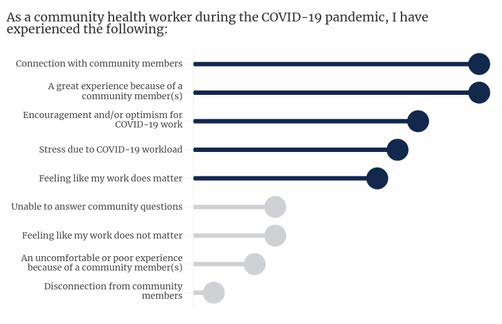
Figure 3 indicates that all participating AAPI IRC CHWs felt connections with their community members (100% of total respondents) and a great experience for doing COVID-19 work because of community member(s). More than half of them felt encouragement and/or optimism for COVID-19 work (78.6%)and feeling like their work matters (64.3%). However, 71.4% of them reported stress due to COVID-19 workload and 21.4% felt like their work did not matter at times. In addition, our CHWs felt like they were unable to answer community questions.
| Professional experience | Percent |
|---|---|
| Connection with community members | 100.0% |
| A great experience because of a community member(s) | 100.0% |
| Encouragement and/or optimism for COVID-19 work | 78.6% |
| Stress due to COVID-19 workload | 71.4% |
| Feeling like my work does matter | 64.3% |
| Unable to answer community questions | 28.6% |
| Feeling like my work does not matter | 28.6% |
| An uncomfortable or poor experience because of a community member(s) | 21.4% |
| Disconnection from community members | 7.1% |
| COVID-19 request or topic | Percent |
|---|---|
| COVID-19 vaccine information | 100.0% |
| COVID-19 testing information | 100.0% |
| Isolation & Quarantine Support (IQS) | 78.6% |
| Information about local/community events promoting COVID-19 vaccines & testing | 64.3% |
| COVID-19 testing registration | 64.3% |
| COVID-19 vaccine registration | 57.1% |
| General COVID-19 information (virus biology, how COVID-19 virus spreads, etc.) | 57.1% |
| Sharing culturally relevant information (ex. Flyers in a non-English language) | 42.9% |
| COVID-19 information or resources in a language other than English | 42.9% |
| Other | 7.1% |
| General health request or topic | Percent |
|---|---|
| Vaccine (non-COVID-19) information | 71.4% |
| Information about Medi-Cal or Medicaid insurance coverage | 71.4% |
| Contact information of providers, clinics, or health care sites | 71.4% |
| Health screening information | 64.3% |
| Information about local/community events promoting health screening & wellness | 64.3% |
| General health information | 64.3% |
| Prevention of disease spread | 57.1% |
| Sharing culturally relevant information about general health and wellness | 57.1% |
| General health information available in a language other than English | 50.0% |
| Information about private health insurance coverage | 35.7% |
| Disabilities resources | 28.6% |
| Referrals to American Disabilities Act (ADA)-specialty clinics and/or sites | 14.3% |
| Referrals to LGBTQ+ friendly clinics and/or health sites | 7.1% |
| LGBTQ+ resources | 7.1% |
Figures 4 and 5 showcase the work focus of the AAPI IRC CHWs with relation to pandemic response and general health. Figure 4 offers insight to the community’s most requests in regard to COVID-19. All AAPI IRC CHWs felt like COVID-19 vaccine and testing information were common requests from the AAPI community in Fresno County. More than three quarters of the AAPI IRC CHWs reported additional commonly requested topics included Isolation and Quarantine Supports (78.6%). Requests for information about local events promoting vaccines and testing (64.3%), COVID-19 testing registration (64.3%), vaccine registration (57.1%), and general pandemic information were also common.
Figure 5 indicates the general health information requested by community members working with the AAPI IRC CHWs. The most commonly requested topics about were non-COVID-19 related vaccine information (71.4%), information about Medi-Cal or Medicaid (71.4%), and contact information for providers, clinics, or health care sites (71.4%). At least half of respondents shared that the AAPI community requested for health screening information (64.3%), information about local/community events to promote health screenings and wellness (64.3%), general health information (64.3%), prevention of spread of disease (non-COVID-19) (57.1%), culturally relevant information about general health and wellness (64.3%). Half of respondents shared that general health information in non-English formats were also requested (50.0%).
AAPI CHWs were also asked about what they saw as the primary demands of their role were as a CHW. All respondents indicated that canvassing and outreach about COVID-19 events, topics/information was a primary expectation. Interpretation services (92.9%), participation in health education trainings and/or webinars (92.9%) were also highly cited roles. Most CHWs also indicated that they were required to participate in translation services of written materials (85.7%), communicate with and/or contact patients/cases (85.7%), participate in work skill trainings and webinars (85.7%), distribute PPE (85.7%), review flyers and materials for cultural sensitivity (78.6%), and conduct contact tracing (78.6%).
| Experience during work | Early | Middle | Most Recent |
|---|---|---|---|
| Motivation to do COVID-19-related work. | 8.71 | 8.71 | 8.00 |
| Observation of discrimination against other groups at work. | 1.93 | 2.00 | 1.93 |
| Discrimination against AAPI people (yourself or others) at work. | 1.86 | 1.57 | 1.57 |
| Unmotivated to do COVID-19-related work. | 0.43 | 0.64 | 0.71 |
The question for Figure 6 on the PreSurvey asked to describe on a Likert scale: “During this time period, how often did you experience the following as a community health worker (during work)?” Most CHWs felt consistently motivated to do COVID-19 related work throughout the pandemic, although the means slightly decreased by the end of the pandemic, starting from a mean score of 8.71 at the beginning, to 8 by the time the CHW took the survey in December 2022. Participants ranked discrimination questions as not often occurring for AAPI people and other groups at work.
...Thinking back to outreach and working with the community members...I have not noticed or gotten anything negative back from the committee members...I’m glad that everyone that I have encountered and work with, were not negatives. Here at FIRM, we have a lot of community members that come through, and they know that our weekly testing and vaccine sites are [consistent]. I really enjoy the work, the team that works for FIRM are great.
Figures 7 and 8 showcase the results of responses to the Pre-Survey questions about the CHWs’ personal experience during the pandemic outside their work role. Figure 7 reflects the frequency of responses for the statement, “The COVID-19 pandemic has impacted me personally in a POSITIVE way in the following areas”. Figure 8 reflects the frequency of responses for the statement, “The COVID-19 pandemic has impacted me personally in a NEGATIVE way in the following areas”. Each question offered a list of items that the CHW may select as many that pertained to them. If an item had 14 responses, then all CHWs selected that item.
| Positive impact | Percent |
|---|---|
| Job opportunities | 100.0% |
| Educational opportunities or improvement | 92.9% |
| Economic opportunities OR support | 71.4% |
| Increased emotional support | 64.3% |
| Soft skill improvements | 64.3% |
| Increased social support | 50.0% |
| Mental health opportunities | 50.0% |
| Physical health improvements | 50.0% |
| Joining an AAPI political or social group | 42.9% |
| Improvements in children’s social and/or schooling development | 28.6% |
| Negative impact | Percent |
|---|---|
| Social support loss or delay or setback(s) | 43.0% |
| Mental health setback(s) | 36.0% |
| Educational opportunity loss or delay or setback(s) | 21.0% |
| Physical health setback(s) | 21.0% |
| Emotional support loss or delay or setback(s) | 14.0% |
| Economic opportunity loss or delay or setback(s) | 14.0% |
| Job loss (at any point) | 7.0% |
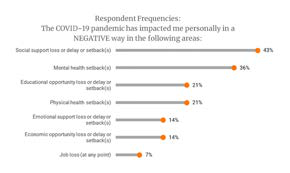
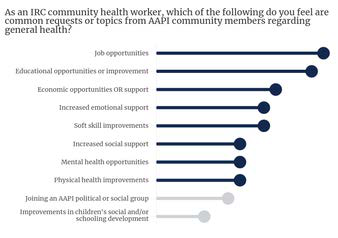
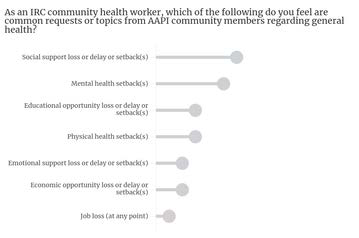
Figure 7 reports the personal, positive experiences that happened to AAPI IRC CHWs during the pandemic. All respondents shared that the COVID-19 pandemic offered job opportunities to them (100.0%). Most of the respondents detailed that they also had new educational opportunities (92.9%), economic opportunities (71.4%), increased emotional support (64.3%), and soft skill improvements (64.3%). Half of respondents indicated that other positive impacts included increased social support (50.0%), mental health opportunities (50.0%), and physical health improvements (50.0%). A few respondents also reported that they joined an AAPI political or social group (42.9%) and made improvements in children’s social and/or schooling development (28.6%).
As can be seen between Figures 7 and 8, there were fewer reported negative impacts due to the COVID-19 pandemic. Figure 8 illustrates how less than half of the respondents indicated negative impacts for the variables requested. For instance, 42.9% of the AAPI IRC CHWs shared social support loss or delay or setback(s) and 35.7% felt they had mental health setback(s).
| Experience or feeling | Early | Middle | Most Recent |
|---|---|---|---|
| Motivation to improve mental health & emotional well-being. | 7.93 | 7.67 | 8.38 |
| Lack of motivation to improve mental health & emotional well-being. | 4.57 | 5.00 | 4.00 |
| Motivation to improve physical health | 6.71 | 7.00 | 8.00 |
| Lack of motivation to improve physical health | 4.00 | 3.86 | 3.63 |
| Optimism about the COVID-19 pandemic. | 5.46 | 4.42 | 7.90 |
| Anxiety about the COVID-19 pandemic. | 7.64 | 6.58 | 4.67 |
| Discrimination against AAPI people (yourself or others) outside of work. | 5.42 | 5.22 | 3.63 |
| Observation of discrimination against other groups outside of work. | 4.67 | 4.56 | 4.00 |
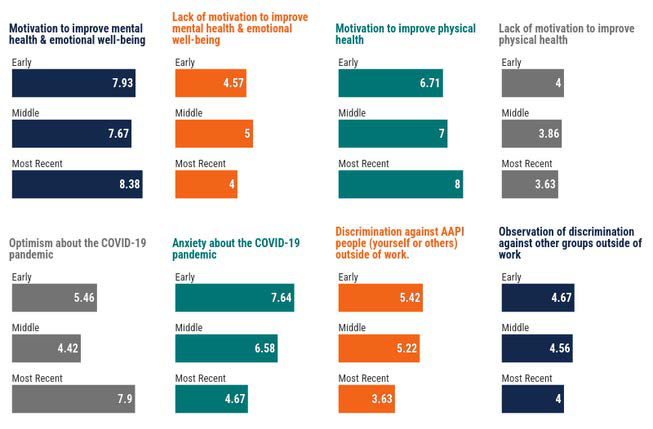
Figure 9 captures the mean (M) responses of an experience or feeling at different points of the pandemic, with 0 being “Not at all” and 10 being “A lot”. The AAPI IRC CHWs felt motivated during the beginning of the COVID-19 to improve their mental health and emotional well-being (M= 7.93). Motivation around mental health decreased in the Middle of the pandemic (M=7.67) before climbing back up to during the “Most Recent” part (M=8.38). Motivation to improve physical health continued to grow throughout the pandemic, from M=6.71 during the Early part, to M=7.00 during the Middle, and finally M=8.00 during the Most Recent part. Optimism about the COVID-19 pandemic also increased overall, although there was a small decrease from the Early part (M=5.46) to the Middle part (M=4.42) before increasing by the Most Recent part (M=7.90). On the other hand, feelings of anxiety about COVID-19 continuously decreased, in which anxiety was highest in the Early part of the pandemic (M=7.64), decreased in the Middle part (M=6.58), and was lowest during the Most Recent part (M=4.67). Discrimination against AAPI people outside of work decreased as the COVID-19 pandemic progressed, having a slow decrease in the Early part (M=5.42) to Middle part (M=5.22) until reaching the lowest at the Most Recent part (M=3.63). The decrease in discrimination against AAPI people outside of work also had the largest mean difference (MD=1.79) between Early to Most Recent parts of the pandemic.
Focus Group Findings
Theme 1. CHWs improved community inclusion and collaboration among AAPI communities
During focus groups with Hmong and Punjabi serving CHWs, participants expressed how many of the challenges that their communities faced followed them into the pandemic. For example, many community members struggled to trust governmental and health systems support, due to poor past experiences. Therefore, many individuals declined monetary assistance when given the opportunity to learn about Isolation and Quarantine Supports (IQS). Community members did not feel comfortable accepting monetary support from official outlets, and even believed that CHWs worked for the government. As workers, they were already facing labor rights issues, and participants noted how during the pandemic some AAPI community members were denied sick pay for COVID-19-related reasons. The denial of sick pay along with being forced to go back to work was a point of frustration for rural AAPI communities.
The pandemic also challenged the AAPI lifestyle, as major cultural gatherings either ceased or were strictly limited due to shelter-in-place policy. Focus group participants noted that AAPI communities are generally very tight-knit, with gatherings and celebrations featuring a large number of people. These gatherings were naturally paused during the COVID-19 pandemic. With the shelter-in-place policies creating limitations to many AAPI community gatherings, many communities had a difficult time connecting socially during the pandemic. Furthermore, AAPI IRC CHWs shared that language barriers, information access, and stigma over COVID-19 made it challenging for the CHWs to reach the most vulnerable populations.
Fortunately, even with the challenges associated with serving AAPI communities, the AAPI IRC CHWs demonstrated tenacity when supporting their communities to alleviate COVID-19 health disparities. In attempting to build connections and trust, the CHWs put time and effort into increasing the number of COVID-19 health education, testing, and/or vaccine events for their communities. For instance, Punjabi IRC CHWs coordinated vaccine and testing events in rural areas, where many Punjabi community members live. This method was particularly impactful, as described by this Punjabi CHW:
Earlier] in the pandemic the Indian community…we were seeing that hesitancy and that mistrust…some of the ways that our team tried to overcome [hesitancy and mistrust], is we were at the locations where we knew where community was going to be like, whether it was supporting at United Health Center in Kerman, or whether it was doing a big vaccine clinic at the Selma location…
The CHWs knew where the hard-to-reach communities were, and they met them where they were at. Conveniently offering the vaccine, in this case, made it so that AAPI communities could find the resources necessary to protect themselves against COVID-19.
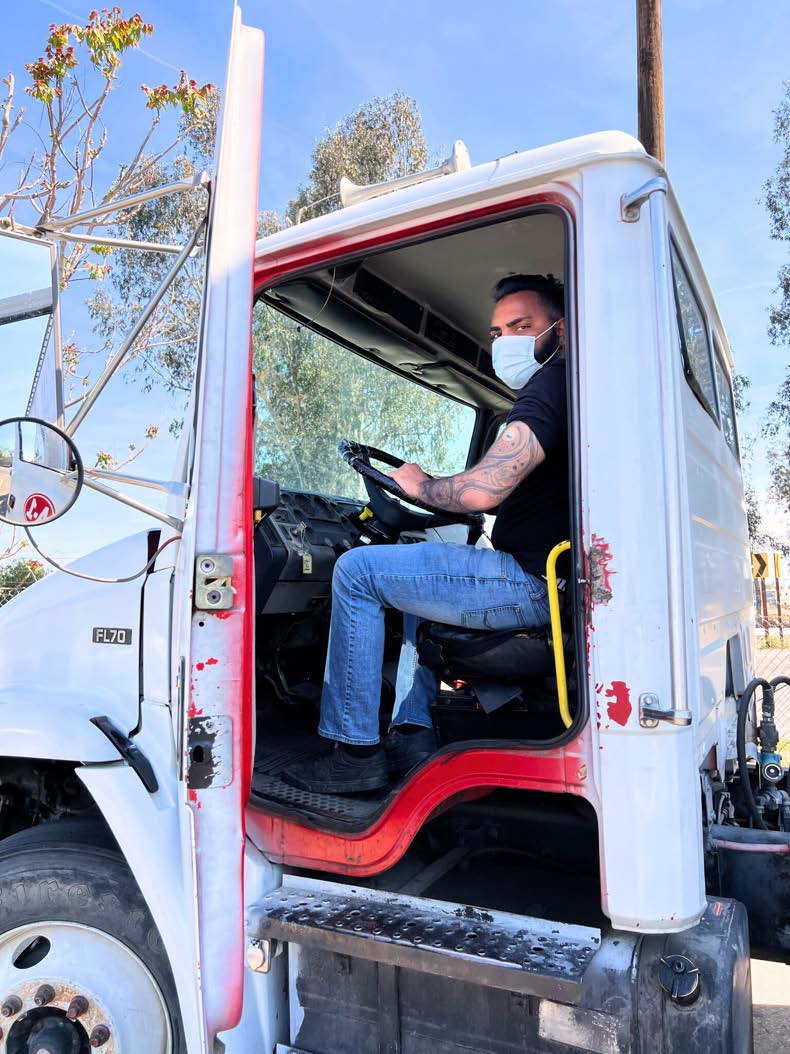
Once CHWs became comfortable with their roles as public health leaders, their racial concordance allowed communities to comfortably learn more about the support offered to them. To illustrate, this CHW shared the following about the Hmong community:
When we adopted the CHW model, that really highlighted the work of CHWs. [It made sure] that when we do send our team out, we send team members who speak the [community’s] language…and [the community can] get the vaccine or get COVID testing. There’s somebody out there who speaks my language, looks like [me], you know? Understand my fears, where I come from, and believe my traditional beliefs, or whatever it is that [originally] stopped them that caused them to fear [of getting COVID-19 support].
When people felt like they could ask for information from someone that looks like them and speaks their language, they felt more invited to come to important outreach events. This enabled language accessibility to COVID-19 resources and information, religious and spiritual collaboration to enhance COVID-19 spread prevention, and social support for mental health needs.
Additionally, collaboration among CHWs and community members found space in advocacy for workers’ rights in AAPI communities. CHWs developed supportive workforce teams to advocate for fair pay during the COVID-19 pandemic. When asked about how CHWs felt their organization best supported their communities, one CHW shared the following:
“...We did start our labor rights team, which did help anyone who was having trouble at work or wasn’t getting that sick or COVID pay if they got sick and they were being asked to come back. Those were some of the ways we were trying to help our community members that were impacted or were needing support because of the pandemic.”
This labor rights team enabled sustainable practices, allowing for communities to practice financial self-efficacy. Between IQS and this labor rights team, AAPI communities received specific financial support that catered to their needs. Seeing the process of initial distrust towards support to comfort and confidence in accepting help was very rewarding for the CHWs. Community members oftentimes spoke about their relief and gratitude for financial support, which, in turn, felt rewarding for the CHWs.
Finally, the CHWs fully appreciated the collaboration with other like-minded organizations, including other IRC organizations and their clinic partners. One Hmong CHW lead shared how organized partnership allowed for personal impact:
“…When Reading and Beyond decided to partner with all the partners in [IRC] with the COVID-19 Equity Project, I was given opportunities to jump in and learn more [about COVID-19]. [The collaboration efforts] really helped open up my eyes to a lot of things and gain a lot of knowledge about COVID-19, and I was able to help many of my family members who were afraid and uncertain about what’s going to happen next.”
Working with other IRC partners allowed for the CHWs to learn as a group. It also created space for them to learn from each other about how community health is influenced by various disparities. Similarly, CHWs found clinic partners helpful as well:
“I’m very grateful for UCSF [Fresno] because they were always, you know, doing popping up clinics at different sites…with our previous medical providers, that haven’t always been there, [while] UCSF [Fresno] has always been with us…throughout this whole pandemic, and when we first started CEP together.”
Collaborating with mobile health clinics gave CHWs feelings of validity, as both the UCSF Fresno mobile health clinic and the IRC CHW partners supported each other with resources. The community-based organizations had easy access to testing, treatment, and vaccines, while clinics got help identifying and actively serving hard-to-reach, vulnerable populations. CHWs expressed their appreciation of the clinics for offering their medical services in conjunction with the IRC’s health education and trust-building services. These partnerships enabled many AAPI community members to feel validated with their health concerns and receive much needed COVID-19 protections.
Theme 2. AAPI CHWs are experts with lived experience who used their combined professional and personal skills and knowledge to improve COVID-19 community health
So I felt like a lot of the organizations…came together and created an environment to where there was a support system, especially for our community, because you know, not only do we not like to tell people [that] we are afraid of what’s to come, but [we also do not want to] share how we feel…as well. So having those resources, and knowing that our community can come to us. and they feel comfortable coming to us…We all ended up coming together... We came as a strong unit, and then handled it as much as we could, and so far it’s been doing pretty well.
The AAPI IRC CHWs drew from both professional and personal experiences during the pandemic to narrate their impact in the community. Since they saw resemblance to their families in the community members they served, they could connect and empathize on a deeper level. The CHWs would imagine their parents being in similar scenarios as individuals they were actively serving and create response plans in that light. Others also shared ways in which the work reminded them of loved ones. This CHW shared how concerns of technological challenges mirrored what they saw at home:
“[Something that] might actually apply to all communities is like technological changes. So, for people that maybe worked and had to work remotely now. I can’t imagine my parents or my dad at least going on a Zoom session, and especially the elders.”
The conversation of technological literacy impeding work capabilities was echoed in another CHW’s thoughts where they shared the fear and the anxiety for having parents who were considered essential workers:
“[My] mom was expected to work more, …and every week she was around patients who had COVID cases…and with my dad… who is a truck driver, and is considered an essential worker, which is, you know, applicable to a lot of Punjabi families…it was constantly…a lot more work to do and it was just tough.”
In both examples, the CHWs discussed work-related concerns of their families during the COVID-19 pandemic. They imagined how difficult it was for their own parents to experience these drastic work changes, thereby allowing their own work to begin on an empathetic foundation. The empathy discussed would then impact the CHWs’ motivations to exercise their abilities to improve COVID-19 information, resource, and health access. For instance, the CHWs were eager to speak in languages that the community members preferred. Language accessibility allowed for respectful teaching of COVID-19 materials as well.
During the beginning of the pandemic, prayer was heavily relied upon to avoid getting sick with COVID-19 in Punjabi communities:
A lot of our Punjabi community did not believe in COVID in the beginning. They’d rather do prayers, and, you know, instead of getting the vaccine.
While prayer is a powerful tool for hope and protection, the lack of information about COVID-19 vaccines still made the Punjabi community vulnerable to COVID-19 spread. Fortunately, CHWs who practiced the same religion, cultural activities, and spoke the same language as their communities were able to share COVID-19 information in a digestible way. As language access to COVID-19 information became available, distrust towards the COVID-19 science reduced. CHWs discussed language access to key details about COVID-19 protection helped improve trust in vaccines, as highlighted by this CHW:
But then when there was a lot of education material provided a lot of was a lot of outreach through websites, that’s how they started believing in it, and they started getting vaccinated, and it was good to see that our Punjabi community started believing in COVID and started getting vaccinated instead of going to get hospitalized and losing their lives.
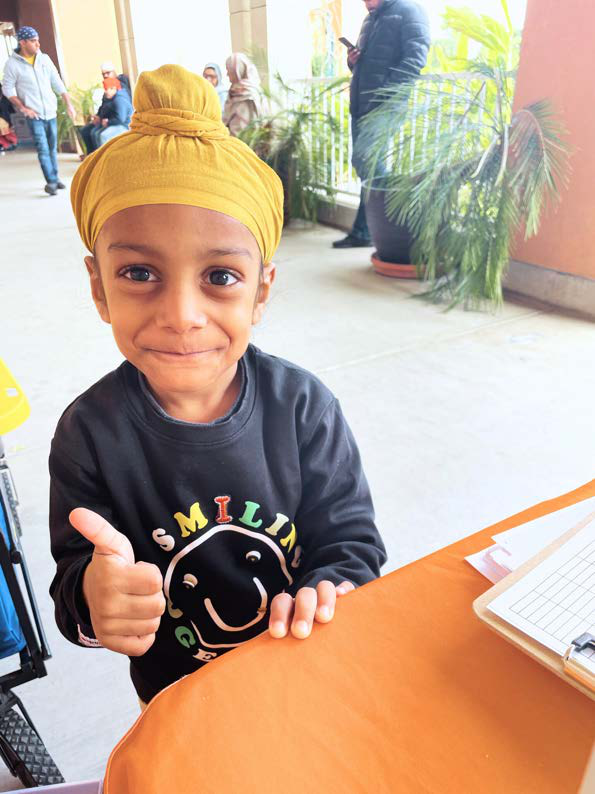
As language gaps closed, the community received information they could trust while still maintaining their spiritual beliefs without feeling shame or judgment. AAPI CHWs were able to provide important information without shaming or belittling cultural practices.
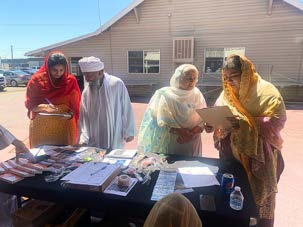
AAPI IRC CHWs offered cultural sensitivities with their respective races during traditional gatherings and celebrations. To address social challenges set out by pandemic orders for shelter-in-place, AAPI IRC CHWs exercised their knowledge of their community to overcome these social challenges. To illustrate, Punjabi CHWs identified Gurdwaras, the Sikh place of worship, as a focal point for engaging the Sikh community. Punjabi CHWs utilized Gurdwaras as starting points for health information, PPE, and food distribution. Similarly, Hmong CHWs identified locations with a large Southeast Asian population. CEP-related events distributed rice and other major cultural staples to Southeast Asian families. These efforts were so well-received that word of Fresno County’s CEP spread throughout the state of California, including the Sacramento and the Los Angeles areas.
Creativity also excelled among the AAPI IRC CHWs, which would in turn improve working relations between the community and the CHWs. For instance, the required use of masks during the pandemic raised concerns for Sikh men. In Sikh culture, men’s beards are sacred. Initial mask guidance by the Centers for Disease Control and Prevention (CDC) did not include recommendations for men with beards. Since there was no guidance for people wearing turbans and had beards, the Sikh community felt excluded with mask guidance seemingly not prioritizing their safety. Fortunately, the IRC Punjabi CHWs found clever ways to accommodate for protection of this religious practice. While brainstorming a balance between mask-wearing and key religious practices, this CHW shared an interesting creative effort to offer inclusive recommendations:
[When Sikh men couldn’t wear a mask, that’s] where we [from Jakara Movement] could kind of help in [with solutions] like we found these bun clips, or basically extenders for the mask so they could wear these masks over their bun or a lot of folks would really just wear like cloth over the turban.
This creativity allowed for solutions until the CDC updated mask guidelines to include bearded individuals. In this instance, aligning Punjabi CHWs who understood Sikh practices well enabled a space of inclusivity, involving, rather than excluding, the sacred practices of Sikh men.
Challenges among the Fresno County AAPI community during the COVID-19 pandemic
Community reluctance towards COVID-19 support & resources
As previewed in Theme 1, community members did not initially receive COVID-19 CHW work very well. The AAPI IRC CHWs shared that AAPI communities identifying as low income and rural especially showcased skepticism towards political and health organizations. As a result, vulnerable AAPI communities were discouraged or not motivated to seek COVID-19 support. Avoidance in accepting overall financial support (IQS), health information support, and COVID-19 vaccinations and testing often occurred among these communities. Therefore, supportive services were not being used until trust was established, as discussed in the Themes section.
Part of this reluctance could have been exacerbated by the social fears experienced that threaten the cultural expectations of community members. With cultural expectations under threat, the community knew about the available COVID-19 support, but they did not seek it. For instance, one CHW discussed the general fear of expressing financial need:
You know, we Hmong families are very, very big on [finances]. [Hmong families] don’t like to depend on others for, you know, help. …The elders don’t like to ask for help. It’s a sign of weakness in the community.
Other CHWs expressed this same sentimentality, sharing that by reaching out for financial assistance for essential bills is not acceptable. Families did not seek financial assistance because asking for help meant people were unable to care for their families. Being unable to care for family meant the inability to meet a standard to put family and loved ones first.
Another reason for limited motivations towards COVID-19 support involved the stigma of getting sick with COVID-19. This stigma prevented AAPI community members from obtaining COVID-19 tests and vaccinations. When someone became sick with COVID-19, tension arose within an individual’s social circles, especially among family members. One CHW highlighted how Southeast Asian families would unintentionally ostracize a previously sick family member during the early days of the pandemic:
And so as soon as someone catches COVID and they find out they’re just like, okay, “we’re not gonna see them for a while’” and by “a while”, I mean…months later. [Families are] like, “we shouldn’t see that person, because they might still have the virus, and they might still be able to pass it to you. They might…pass it to me.”
Southeast Asian families felt defensive and protective of themselves and their household as a result of the limited knowledge about COVID-19 at the time. CHWs reported that the Southeast Asian community felt unease for a positive COVID-19 result, especially given the collectivism attribute of many AAPI cultures. This CHW recounted how this positive COVID-19 testing result would become a “blame game” of sorts:
What I’ve noticed is the blaming the blaming game kind of. “Oh, I caught COVID. I think I got it from this person,” and putting down the other person, for you know, maybe being sick…[They know if that person was sick with COVID] …or sometimes they [blame someone for being] asymptomatic and [they spread COVID to others]...A lot of people would do the blame game.
Resentment between community members was common, as both the Hmong and Punjabi CHWs shared this exact experience across the two focus groups. Talking about COVID-19 became not only difficult for fear of shame, it also became difficult for fear of becoming ostracized by families and peers. AAPI community members avoided helpful information and support methods because of this exclusion as a result of internalized stigma.
Additionally, people felt self-conscious when they became sick in general. People avoided resources to avoid hindering conventional activities. In this case, the CHW shared that community members would much rather avoid a COVID-19 test in order to continue their everyday lifestyle:
What I’ve noticed, too, is that sometimes [community members don’t] admit that they do have COVID, even if they are sick. They don’t want to go get tested, because it’s almost like, “If I don’t know that I’m positive [for COVID, then] I don’t have COVID…If I don’t know that I have COVID, [then] it’s not COVID, and I can still go out.”
Here, the challenge was less about stigma, and more about maintaining pre-COVID-19 lifestyles. CHWs recounted community members who felt like a COVID-19 diagnosis meant a threat to their autonomy. COVID-19 guidance in this case was not followed carefully, which concerned the CHWs. The CHWs wanted to continue their support, but at times, it felt like some community members did not consider important COVID-19 guidance. canva
“Punjabi was so much more important than we thought. You know, a lot of resources were in English, or Hmong, or Spanish, but never Punjabi.”
Accessibility concerns during the COVID-19 pandemic
In addition to reluctance to seek COVID-19 information and support, the Fresno County AAPI communities also experienced health information and resource gaps to COVID-19 support. Most common was a lack of readily available interpretations or translations for COVID-19 materials and services. Limited language access to credible COVID-19 information reduced health literacy within communities. This limitation created opportunity for misinformation and myths to become integrated into communities. For instance, this CHW reflected on anecdotes among the Hmong community:
I think because of the lack of like reading and writing knowledge within the Hmong community, a lot of [COVID-19 knowledge] is just based off of either personal experience, like, “oh, I caught COVID and this happened to me,” or “Oh, this person caught COVID [so] this happened”….So that’s why, within the community, there’s just a lot of myths and then a lot of…gossip floating around. …Sometimes it’s hard for [community members] to distinguish what’s real, what’s the facts, and what is myth.
Since the Hmong reading and writing system was more recently established, there is more of a reliance on the spoken word within communities. Many Punjabi in the community rely on storytelling and observations from social circles to receive information and experiences about the world. This reliance on word of mouth allowed for misinformation of COVID-19 to be spread in AAPI communities reliant on internal ways of communication. This made it hard for people to distinguish facts from myths. If a myth coincidentally lined up with an experience, then the community would believe the myth over facts.
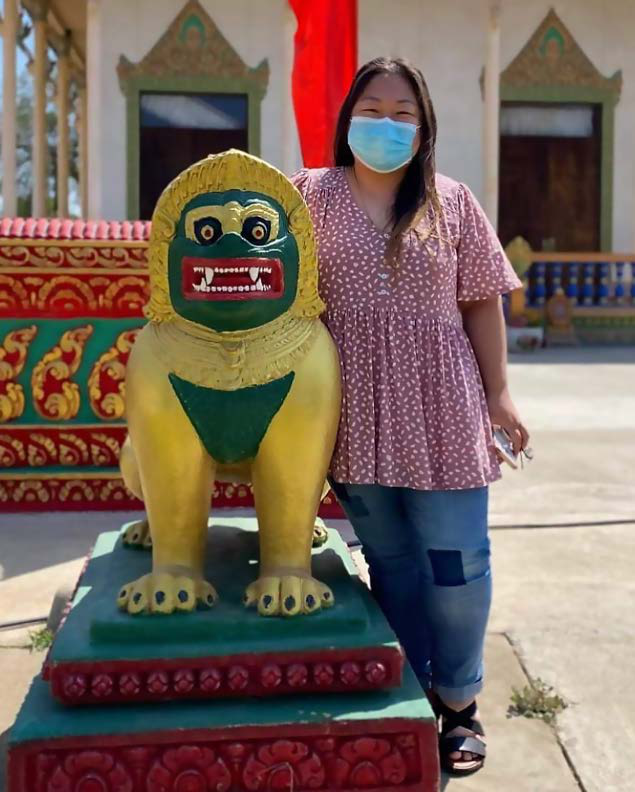
Inaccessibility to important COVID-19 resources and information was not the only challenge Fresno County AAPI communities experienced. Communities experienced shortages of many common staples, especially AAPI communities. AAPI communities began to rely on imported goods to obtain their staples such as rice and flour, which became expensive. In Punjabi communities there was a complete halt in product imports at one point:
Some of the shortages that the Punjabi communities faced was wheat flour, and other Indian groceries. [In Indian] grocery stores we’re running out of stuff. Most of the stuff gets shipped from India or Canada. So transportation and like shipping [for imported goods], the stuff was kind of stopped at that time. That kind of stuff was hard to find…the prices went up.
Without these necessary imported goods, there was difficulty in obtaining culturally and spiritually significant foods. This experience was also felt within the Hmong community:
At the beginning there was…a shortage of rice within the Hmong community… I think at first people weren’t taking [the pandemic] too seriously until [prices and demand] shot up, and then, you know, like toilet paper were gone. Rice were gone. So it was kind of difficult to find, like, specific rice brands. So you kind of just have to take what you can grab at the store.
The dramatic price increases made it difficult for already vulnerable communities to afford previously obtainable staples. This strain made it hard to feel secure in foods and cultural necessities. While these communities felt a unique type of isolation, the lack of everyday products that gave them cultural connection compounded the isolation.
Finally, technological access and digital literacy was also difficult during the COVID-19 pandemic. Digital advertisements and registration for COVID-19 testing and vaccination were frequent. Many AAPI communities live or work in rural areas, where access to technology and knowledge of how to navigate technology are limited. In fact, one Hmong CHW discussed a situation where a community member had a complete lack of knowledge about COVID-19. Another Punjabi CHW discussed how elders and those living in rural areas had difficulty accessing the state of California’s web-based vaccine registration system, putting them at a disadvantage for returning to everyday tasks.
“All we’re hearing on the news, and everywhere around us is that people are sick, people are dying. There’s so many different types of…misinformation that were, you know, spreading around. I was terrified as well. I was one of those who were scared. I didn’t want to go out anywhere. My family didn’t want to go out anywhere. and yeah, I just want to say, like, you know, as I recall, that was a very, very scary time for many of us.”
COVID-19 Difficulties within AAPI Communities
Mental health took a huge toll on many Fresno County AAPI community members. Between the constant changes in COVID-19-related policies and the seemingly never-ending restrictions of lifestyle and work, people stayed fearful during the pandemic. This made COVID-19 exhausting to think and talk about. At times, community members strayed from the conversation about COVID-19 altogether. Another source of anxiety came from those considered essential workers. Punjabi CHWs described their community as being constantly under stress of becoming sick because many of them were in essential worker jobs. They recalled having to adjust their own living spaces to adjust for the increased risk. These changes also created new family dynamics, which was a difficult transition socially, emotionally, and mentally. These changes created feelings of loneliness and isolation that did not begin to resolve until the advent of the COVID-19 vaccine.
In addition to these stressors, the COVID-19 pandemic dramatically decreased AAPI morale in Fresno County. With the abrupt pause of cultural, family, and religious gatherings unique to each AAPI group, opportunities for social and spiritual support dramatically decreased. This disheartened many AAPI community members, as detailed in this example for those in the Sikh community:
I think the other thing that really impacted is our Gurdwara, or you know, our Sikh temples, are also a place for our community to gather and support each other. You know, with the pandemic that also had to be adjusted. …It was different.
Similarly, Hmong funerals experienced a similar impact, with people beginning to question the integrity of their culture, as this CHW shared:
Traditionally, a Hmong funeral lasts between 3 to 4 days. So I know when the pandemic hit, a lot of people passed from COVID in the Hmong community. Just from what I observed, funeral practices had to be cut in half from 3 to 4 days to 1 to 2 days, and I know there was, I want to say, a little uproar, debating about whether Hmong cultures could actually adapt that instead. So now culture is also being questioned.
Traditional activities are crucial for the identities, spirituality, and social support of AAPI cultures. By reinforcing rules against large gatherings for culturally important events, AAPI communities felt lost, confused, and unable to find self-soothing alternatives.
Mental health continued to dwindle as discrimination set in against their communities. As anti-AAPI misinformation and conspiracy theories spread across the United States, Fresno County AAPI communities also felt the animosity:
It was really hard on the Asian community, especially with the anti-[AAPI] hate and everything. [Community members] were really really scared to go out, you know, just to the store, or just, you know, to go exercise. They feel like…all eyes are on them, you know, so I think they feel like it’ll be really hard to go out like they used to.
Both community members and the CHWs shared that they feared going out to stores just to pick up medications at pharmacies, despite a negative COVID-19 test. A CHW recounted her personal experience going to the store and describing this fear:
[There was] discrimination towards the Asian community as well. I know when the pandemic first started, even if I just have, like an allergy cough…I remember one time I was in a line at the pharmacy, and I was not sick [with COVID-19]. I just had a scratchy throat, and I needed to cough. [Even] just coughing like I feel like it triggered everyone around me. They just kind of looked at me, and like they scootched up. So I remember just being scared to be Asian when the COVID-19 pandemic first started.
Simply being an AAPI individual was enough for people to inch away at stores. It was hard to find a safe public space. Therefore, AAPI individuals felt uncomfortable leaving their own homes for essential services and social connections.
AAPI elders and seniors in Fresno County
AAPI cultures place a high value on seniors within their families and communities. For many AAPI groups, elders lived a life in their home countries where they took care of the family. Adults and youth are now expected to carry on the tradition and care for their elders as well. Families will adjust their entire lifestyles to make sure elders are at the forefront of care and protection. As such, conversations discussing the care of AAPI elders’ health was common among AAPI CHWs.
Barriers to access to care within the elder groups within AAPI communities were common, especially early in the pandemic. With limited technological literacy to navigate telehealth and limited access to physical doctor’s appointments, Punjabi elders faced difficulty in obtaining appropriate healthcare, as detailed by this CHW’s account:
[Punjabi] seniors were not able to get doctor’s appointments. They couldn’t do Wi-Fi [for] virtual appointments. They couldn’t go in [for doctor’s appointments].
This problem was exacerbated when lack of Punjabi interpreters or translators limited health appointments further:
They didn’t have access to translators or know how to get a translator again to go to a doctor. So a lot of that was a big impact on our community. A lot of our elderly were not getting the help or medical attention that they needed at that time, because they had no way to go forward with it.
Lack of access to care among AAPI community members stemmed from the lack of options that made healthcare accessibility possible for monolingual patients with limited technological literacy. When healthcare transitioned during the pandemic, it heavily relied on a digital and English-centered system, thus making it very difficult for the elderly to receive appropriate and adequate healthcare.
Loneliness was another key challenge discussed among AAPI elders. With the safety of elders in mind, Punjabi CHWs described families of essential workers having to transform their living situation in order to prevent COVID-19 spread to vulnerable family members, especially the elderly. This transition was difficult, as many housing spaces were limited and challenged the collectivism of AAPI families. CHWs described that families were terrified of engaging with each other, for fear of making the vulnerable sick.
On the other hand, the fear of loneliness prevented Hmong families from seeking medical treatment for COVID-19 for fear of dying alone. Several Hmong CHWs discussed major implications of Hmong elderly preferring to stay at home when sick with COVID-19. A CHW recounts an experience between that happened in their community with a set of elderly parents:
One parent was sick, and went to the hospital. But they could not see her because they weren’t allowed to be with her. No one was allowed to be in there, and she didn’t speak the language that was needed. …That parent ended up dying alone. …That resulted in a huge effect on the other parent…
At this point, the CHW continued their reflection to highlight how the death of the first parent resulted in major fears of loneliness to the other:
[The other parent] later got sick and refused to go to the hospital because he was afraid if he went to the hospital and died there, he was not gonna see his kids. So he [thought], ‘If I’m gonna die, I’d rather die at home’ where he can be with his family.
Because Hmong families are generally large and collective, being away from loved ones is already terrifying. Isolation practices made it even more scary for Hmong elders to seek medical attention when needed. As a result of this constant fear, mental health among the AAPI elderly was dramatically affected in a negative way.
Discussion
The Asian-American Pacific Islander (AAPI) Immigrant Refugee Coalition (IRC) Community Health Workers (CHWs) made remarkable progress in offering support to Fresno County AAPI communities during the pandemic. The IRC established its abilities to serve AAPI communities by hiring concordant community members to serve hundreds of people with essential pandemic relief. In doing so, thousands of COVID-19 tests and vaccinations were provided to Fresno County AAPI community members, and hundreds more outreached during the contact tracing processes. These CHWs created a familiar environment necessary to connect distrustful community members with health systems in a timely manner. Focus groups found this connection was the most valuable piece that made the work of the Immigrant Refugee Coalition within AAPI communities a success.
Focus group findings illustrated how experiences of discrimination differed between Hmong and Punjabi CHWs. Without a doubt, both groups experienced discrimination to some degree throughout the pandemic, especially among Hmong CHWs. Many anti-AAPI behaviors emerged as a result of the COVID-19 virus’s association with China. Such anti-AAPI activity resulted in an increase in racially charged verbal and physical attacks related to COVID-19 virus fears (Chui, 2020). This anti-AAPI sentiment was also present in Fresno County, as recounted by the voices of our CHWs.
Focus group findings also demonstrated how the racially concordant work of the AAPI IRC CHWs extended their personal feelings into their work. During focus groups, CHWs recounted how they saw a lot of themselves or their families within community members they were serving. The struggles of the community members reminded the CHWs of their own families and friends. Such emotions paved the way for safe spaces that were culturally catered for their communities. For instance, Hmong CHWs offered a friendly face and language accessibility for Hmong community members during events or outreach. Community members were eager to approach services with Hmong staff in addition to the staff meeting Hmong individuals within their own community safe spaces. Similarly in the case of the Punjabi community, Punjabi CHWs were closely able to connect with Sikh communities at Gurdwaras, where many sacred activities are held. By hosting events and outreach in areas meaningful to Punjabi and Sikh communities, information and resource distribution was successful. The depth of connections by AAPI CHWs allowed for the Fresno County AAPI community to become motivated in their work and unite during a time of uncertainty. Even more so, the AAPI community felt an increase in morale closer to the end of the COVID-19 pandemic due to the success of their work.
Limitations to this case study include a small sample size, with only 7 Hmong and 7 Punjabi CHWs present between the two focus groups. Future research ought to incorporate as many insights of all sorts of AAPI groups to more accurately explain the true scope of the COVID-19 pandemic’s impact on AAPI communities. Nonetheless, we still found that this study presented a strong case for encouraging future studies about various AAPI identities at work in public health. The AAPI IRC CHWs are key knowledge holders for health information, support, and their communities. Where health systems can directly offer services and screenings, CHWs offer the necessary navigation into the heart of these communities. Racially concordant CHWs can be a key approach to achieving health equity.
A final limitation involved utilizing a skip logic approach in the PreSurvey. Prior to our focus group sessions, the Punjabi CHWs were unable to view the PreSurvey questions because they did not identify themselves as “Asian American”. However, the research team was able to gather the information from the Punjabi CHWs once the problem was identified. In future studies, a skip logic approach could be used in other areas of surveys that may not include racial or ethnic identification. Additionally, this confusion offers an invitation for AAPI ethnic and racial studies experts to further explore the understanding of the official definitions of “Asian American” among AAPI communities.
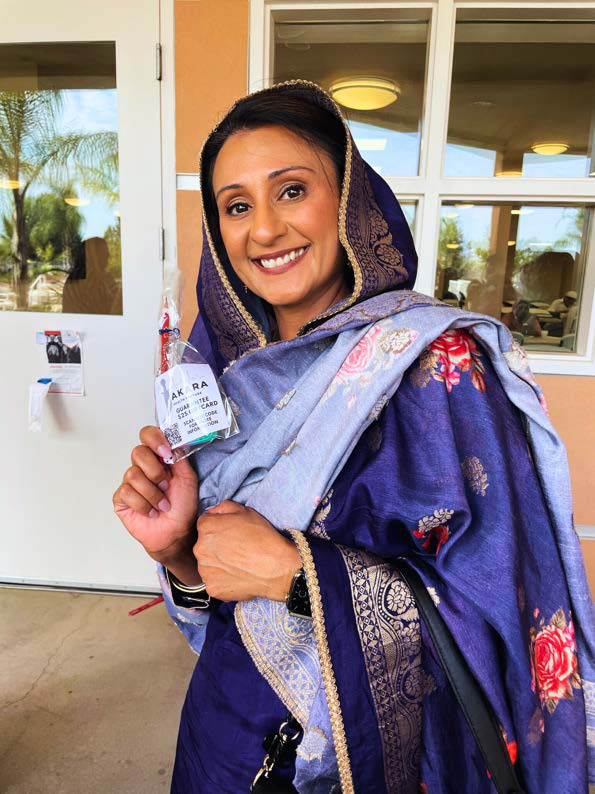
Conclusion
Using a racially concordant CHW work model demonstrated that using AAPI CHWs fosters trust, leading to effective COVID-19 education and vaccination response within their corresponding communities. This case study offers an entry point for policies that facilitate the inclusion of AAPI CHWs as a core piece of AAPI community health. The desire to collaborate and the motivation to improve their communities provided an intrinsic motivation that led to impacts related to COVID-19 prevention, testing, and treatment. This project also enabled sustainable partnerships between the health sector and AAPI-serving organizations that have led to new strategies to improve community health. Looking ahead, leaders in health policy in Fresno County can utilize AAPI CHWs for outreach tailored specifically to each AAPI subpopulation.
References
Afifi, W. A., Felix, E. D., & Afifi, T. D. (2011). The impact of uncertainty and communal coping on mental health following natural disasters. Anxiety, Stress, & Coping, 25 (3), 329–347. https://doi.org/10.1080/10615806.2011.603048
Bonta, R. (2022). 2021 Hate Crime in California (Rep.). California Department of Justice. Retrieved October 2023, from https://oag.ca.gov/system/files/attachments/press-docs/Hate%20Crime%20In%20CA%202021%20FINAL.pdf
Chen, M. S., Fang, D. M., Stewart, S. L., Ly, M. Y., Lee, S., Dang, J. H., Nguyen, T. T., Maxwell, A. E., Bowlus, C. L., Bastani, R., & Nguyen, T. T. (2013). Increasing hepatitis B screening for Hmong adults: Results from a randomized controlled community-based study. Cancer Epidemiology, Biomarkers & Prevention, 22 (5), 782–791. https://doi.org/10.1158/1055-9965.EPI-12-1399
Chen, P., Pusica, Y., Sohaei, D., Prassas, I., & Diamandis, E. (2021). An overview of mental health during the COVID-19 pandemic. Diagnosis, 8 (4), 403–412. https://doi.org/10.1515/dx-2021-0046
Chui, A. (2020, March 20). Trump has no qualms about calling coronavirus the ‘Chinese Virus.’ That’s a dangerous attitude, experts say. The Washington Post. Retrieved from https://www.washingtonpost.com/nation/2020/03/20/coronavirus-trump-chinese-virus
Conduent Healthy Communities Institute. (2023, July 11). Healthy Fresno County Community Dashboard: Asian population. Retrieved on September 2023 from https://www.healthyfresnocountydata.org/demographicdata/index/view?id=1506&localeId=247
Jo, A. M., Nguyen, T. T., Stewart, S., Sung, M. J., Gildengorin, G., Tsoh, J. Y., Tong, E. K., Lo, P., Cuaresma, C., Sy, A., Lam, H., Wong, C., Jeong, M., Chen, M. S., Jr., & Kagawa-Singer, M. (2017). Lay health educators and print materials for the promotion of colorectal cancer screening among Korean Americans: A randomized comparative effectiveness study. Cancer, 123 (12), 2705–2715. https://doi.org/10.1002/cncr.30568
Ma, A., Sanchez, A., & Ma, M. (2019). The impact of patient-provider race/ethnicity concordance on provider visits: Updated evidence from the Medical Expenditure Panel Survey. Journal of Racial and Ethnic Health Disparities, 6 (6), 1011–1020. https://doi.org/10.1007/s40615-019-00602-y
Mayfield-Johnson, S., Smith, D. O., Crosby, S. A., Haywood, C. G., Castillo, J., Bryant-Williams, D., Jay, K., Seguinot, M., Smith, T., Moore, N., & Wennerstrom, A. (2020). Insights on COVID-19 from community health worker state leaders. Journal of Ambulatory Care Management, 43 (4), 268–277. https://doi.org/10.1097/JAC.0000000000000351
Nguyen, T. T., Love, M. B., Liang, C., Fung, L. C., Nguyen, T., Wong, C., Gildengorin, G., & Woo, K. (2010). A pilot study of lay health worker outreach and colorectal cancer screening among Chinese Americans. Journal of Cancer Education, 25 (3), 405–412. https://doi.org/10.1007/s13187-010-0064-3
Parlapani, E., Holeva, V., Nikopoulou, V. A., Kaprinis, S., Nouskas, I., & Diakogiannis, I. (2021). A review on the COVID-19-related psychological impact on older adults: Vulnerable or not? Aging Clinical and Experimental Research, 33 (8), 1729–1743. https://doi.org/10.1007/s40520-021-01873-4
Rahman, R., Ross, A., & Pinto, R. (2021). The critical importance of community health workers as first responders to COVID-19 in the USA. Health Promotion International, 36 (5), 1498–1507. https://doi.org/10.1093/heapro/daab008
Shimkhada, R., Scheitler, A. J., & Ponce, N. A. (2021). Capturing racial/ethnic diversity in population-based surveys: Data disaggregation of health data for Asian American, Native Hawaiian, and Pacific Islanders (AANHPIs). Population Research and Policy Review, 40 (1), 81–102. https://doi.org/10.1007/s11113-020-09634-3
Ta Park, V. M., Dougan, M. M., Meyer, O. L., Nam, B., Tzuang, M., Park, L. G., Vuong, Q., Bang, J., & Tsoh, J. Y. (2022). Discrimination experiences during COVID-19 among a national, multi-lingual, community-based sample of Asian Americans and Pacific Islanders: COMPASS findings. International Journal of Environmental Research and Public Health, 19 (2), 924. https://doi.org/10.3390/ijerph19020924
Taylor, V. M., Bastani, R., Burke, N., Talbot, J., Sos, C., Liu, Q., Do, H., Jackson, J. C., & Yasui, Y. (2013). Evaluation of a hepatitis B lay health worker intervention for Cambodian Americans. Journal of Community Health, 38 (3), 546–553. https://doi.org/10.1007/s10900-012-9649-6
Taylor, V. M., Burke, N. J., Sos, C., Do, H. H., Liu, Q., & Yasui, Y. (2013). Community health worker hepatitis B education for Cambodian American men and women. Asian Pacific Journal of Cancer Prevention, 14 (8), 4705. https://doi.org/10.7314/apjcp.2013.14.8.4705
Taylor, V. M., Jackson, J. C., Yasui, Y., Nguyen, T. T., Woodall, E., Acorda, E., Li, L., & Ramsey, S. (2010). Evaluation of a cervical cancer control intervention using lay health workers for Vietnamese American women. American Journal of Public Health, 100 (10), 1924–1929. https://doi.org/10.2105/AJPH.2009.190348
Tong, E. K., Nguyen, T. T., Lo, P., Stewart, S. L., Gildengorin, G. L., Tsoh, J. Y., Jo, A. M., Kagawa-Singer, M. L., Sy, A. U., Cuaresma, C., Lam, H. T., Wong, C., Tran, M. T., & Chen, M. S. Jr. (2017). Lay health educators increase colorectal cancer screening among Hmong Americans: A cluster randomized controlled trial. Cancer, 123 (1), 98–106. https://doi.org/10.1002/cncr.30265
U.S. Census Bureau. (2022). About the topic of race. U.S. Department of Commerce. Retrieved August 2, 2023, from https://www.census.gov/topics/population/race/about.html
U.S. Census Bureau. (n.d.). Explore Census Data. U.S. Department of Commerce. Retrieved January 18, 2023, from https://data.census.gov/
Wu, C., Qian, Y., & Wilkes, R. (2021). Anti-Asian discrimination and the Asian-white mental health gap during COVID-19. Ethnic and Racial Studies, 44 (5), 819–835. https://doi.org/10.1080/01419870.2020.1851739