Children of the San Joaquin Valley: Preventable Childhood Illness in Fresno County
Health Equity for All.
Background and Implications
Addressing childhood illness is a key public health objective, given that many of the conditions developed in childhood will negatively impact the individual well into adulthood. This report examines how pediatric preventable emergency department visits and hospitalizations are related to individual and neighborhood factors in Fresno County.
Summary of Findings
In the San Joaquin Valley, non-white low-income children, ages zero to five, are most at risk for experiencing emergency department visits and hospitalizations.
The most frequent preventable emergency department visits and hospitalizations for these children are respiratory conditions related to home and neighborhood conditions, such as exposure to second-hand smoke and mold and mildew in housing and proximity to major roadways and other air polluting sources in neighborhoods.
Children in Fresno County are 3.2 times more likely to be hospitalized than children from other regions in California (319/10,000; 97/10,000 respectively). These elevated rates are likely due to lower social-economic status and less access to equal preventive care opportunities. Analysis of community characteristics demonstrated that poverty and primary care-shortage areas are associated with negative health outcomes.
The communities highlighted in Figures 1 and 2 have the highest rates of child hospitalization in Fresno County. The green regions are communities with hospitalization rates significantly greater than the state’s average.
In Table 1, the majority of emergency department visits are for diagnoses that are considered preventable. These are primarily respiratory conditions for which early preventive care and possibly public health programs could reduce the incidence and severity. Though still relatively infrequent events in the county, these cases account for more than $10 million in health care costs. As indicated by the decreased proportion of preventable hospitalizations, most of these children are not admitted, though when they are, more than $14 million is spent on hospital-based health care for these cases.
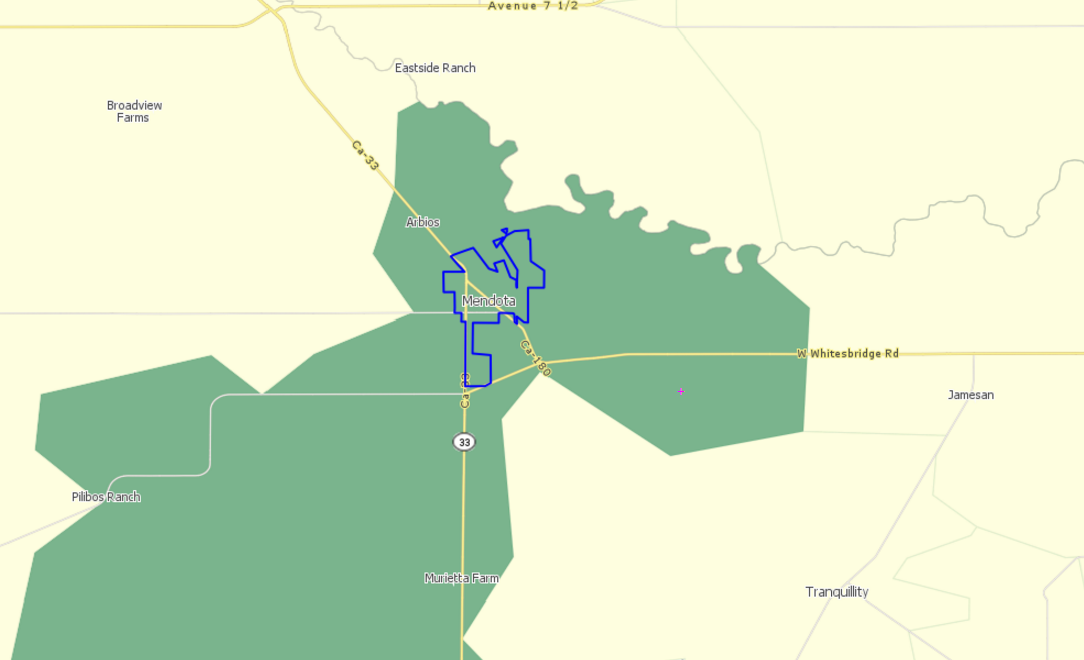
Rate of Childhood Hospitalization /10,000 in the Population: light-colored areas, less than 380; green areas, 380 or more.
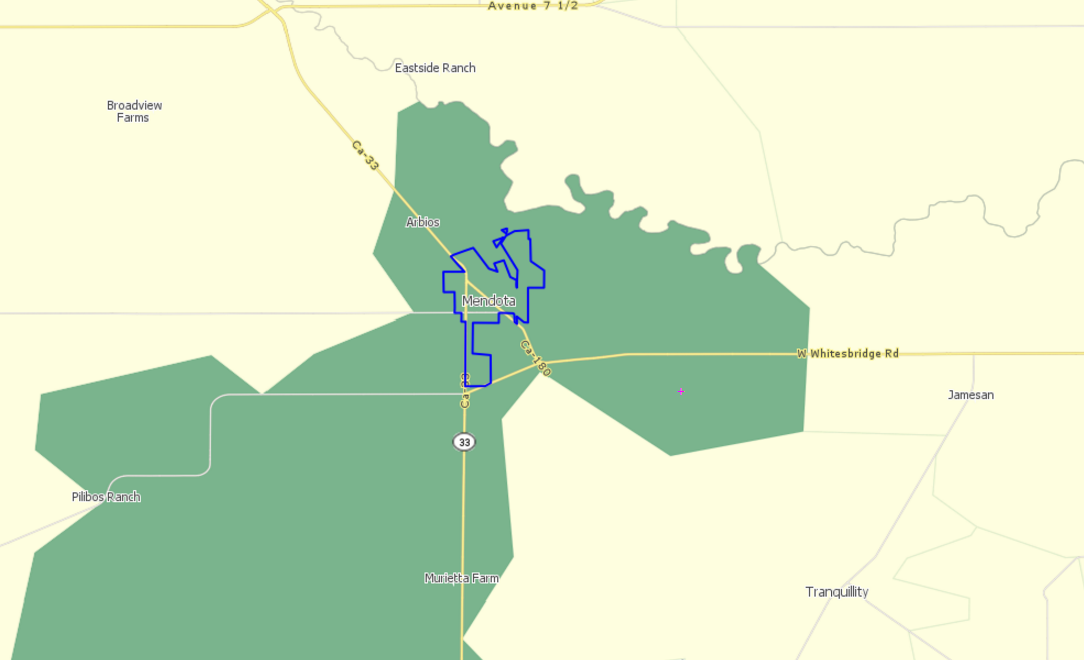
Rate of Childhood Hospitalization /10,000 in the Population: light-colored areas, less than 380; green areas, 380 or more.
Hospitalization rates computed from 2009-2011 data from the California Office of Statewide Health Planning and Development (OSHPD). Cases included were children ages 0-14. Map was created with HealthyCity.org
| Hospital Use | Frequencya | % | Rateb | Cost/Yearc,d |
|---|---|---|---|---|
| Emergency Department | ||||
| Emergency Department Total | 79,273 | 100% | 115 | $15,854,600 |
| Preventable | 50,347 | 64% | 73 | $10,069,400 |
| Non-Preventable | 28,926 | 36% | 42 | $5,785,200 |
| Hospital Discharge | ||||
| Hospital Discharge Total | 22,051 | 100% | 32 | $48,387,244 |
| Preventable | 6,428 | 29% | 9 | $14,105,174 |
| Non-Preventable | 15,623 | 71% | 23 | $34,282,069 |
The most frequent preventable and non-preventable conditions include pneumonia, asthma, and bronchitis.
a indicates the sum of the three year (2009-2011) interval.
b indicates the rate per 1,000 in the population.
c emergency department visits are estimated to cost $600 per visit.
d hospitalizations are estimated to cost $6,583 per visit.
How Does Public Health Reduce Preventable Childhood Illness?
Nurse-Family Partnership

Fresno County’s Nurse-Family Partnership (NFP) is an evidence-based community health program that helps transform the lives of vulnerable mothers pregnant with their first child. Each mother is partnered with a Public Health Nurse early in her pregnancy and receives ongoing nurse home visitation that continues through her child’s second birthday. The relationship between mother and nurse empowers the mother and is proven to foster effective parenting skills and increase the likelihood of ongoing positive decisions long after the program ends. Participation in NFP has shown improvement in pregnancy outcomes, improved child health and development, and improved economic self-sufficiency of the family. NFP helps parents develop a vision for their future, plan future pregnancies, continue their education and find employment. Independent research has shown that communities benefit socially and financially when they invest in NFP. Every dollar invested into NFP can yield up to $5.70 in return. During FY 2014/15, NFP Public Health Nurses provided services to 268 clients throughout the urban and rural areas of Fresno County.
Hospitals Support for Breastfeeding Beginning on the First Day of Life
Breastfeeding is a crucial first step in protecting the health of mothers and babies. Babies that are exclusively breastfed for the first six months of their lives have lower rates of ear, gastro intestinal, and respiratory infections, asthma, diabetes and other illnesses. Their mothers have lower rates of breast and ovarian cancer. Babies born in Baby Friendly Hospitals, a global program of the World Health Organization and the United Nations Children’s Fund, have higher rates of breastfeeding.
The Fresno County Department of Public Health, Maternal, Child and Adolescent Health’s Baby Friendly Hospital Initiative (BFHI) Project is working with Adventist Medical Center Reedley, Community Regional Medical Center and Saint Agnes Medical Center to become Baby Friendly Hospitals. Hospital infant feeding policies that support breastfeeding have been developed and are in the process of being implemented at these hospitals. When these three birthing hospitals become Baby Friendly Hospitals they will be breastfeeding supportive birthplaces, have higher rates of breastfeeding, and more babies will get a healthier start in life.
Office of Policy, Planning and Communication (OPPC)
The Office of Policy, Planning and Communication (OPPC) is leading initiatives funded by the U.S. Department of Agriculture’s (USDA) Supplemental Nutrition Assistance Program-Education and the Centers for Disease Control and Prevention aimed at reducing the prevalence of chronic diseases such as obesity, diabetes, stroke, and heart disease, promote healthier lifestyles, reduce health disparities, and increase health care coverage of prevention programs in Fresno County. To improve health and wellness in Fresno County, OPPC is focused on four risk factors: tobacco use and exposure, poor nutrition, sedentary lifestyles, and lack of access to opportunities for chronic disease prevention, risk reduction, and disease management.
Fresno County OPPC staff and subcontractors work with resident champions, community-based organizations, schools, businesses, and local cities in Fresno County to make healthy living easier and more affordable where people live, learn, work, and play. Initiatives aim to:
- Educate and empower residents for healthy change in neighborhoods
- School and worksite wellness policies and practices
- Reduce unhealthy storefront and outdoor advertising and increase healthy selection, advertising, and product placement at Fresno County retailers
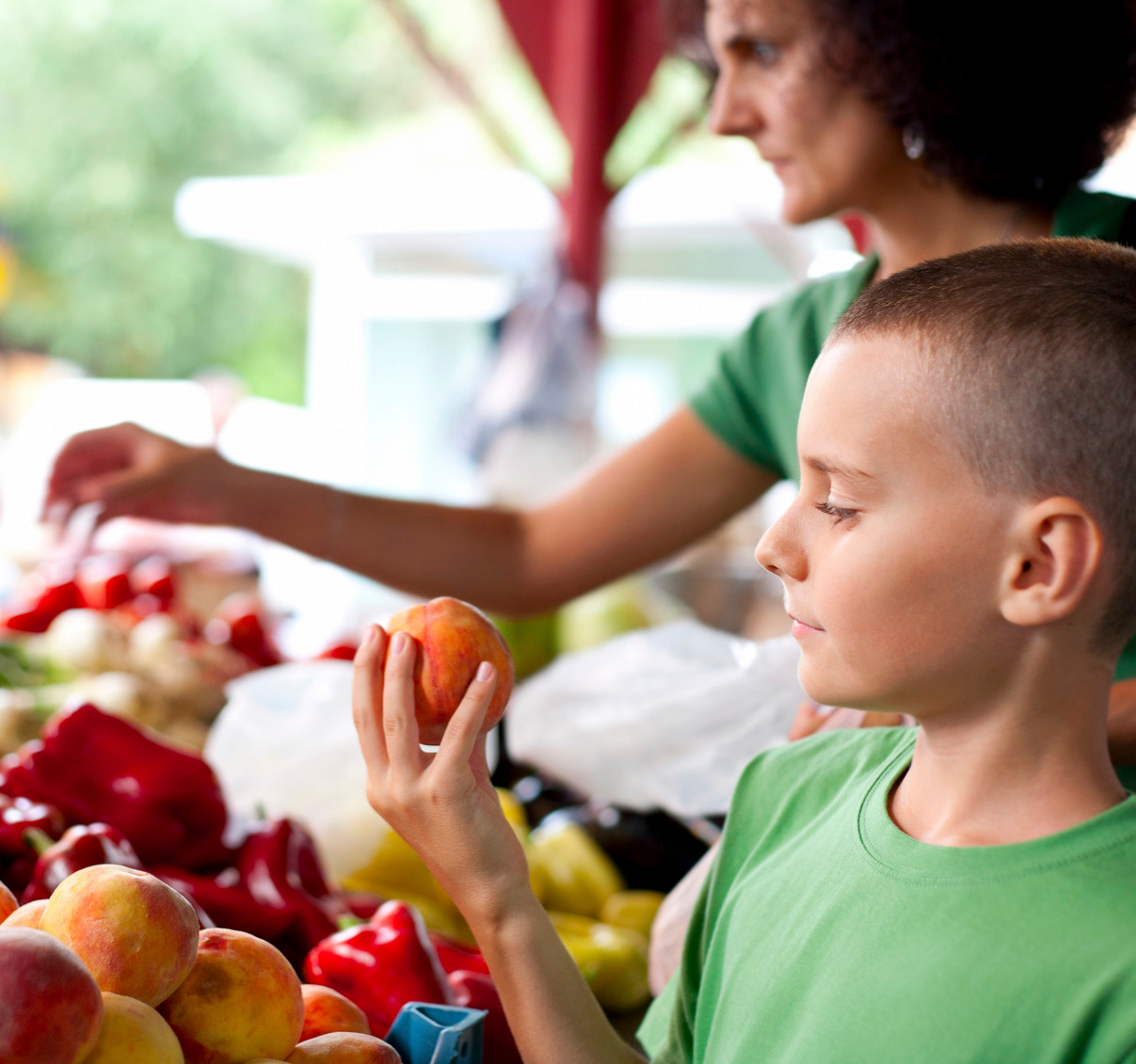
- Increase the availability of fresh fruits and vegetables in neighborhoods with low access to grocery stores
- Increase physical activity opportunities including safe outdoor play and active transportation
- Reduce barriers to patient participation in chronic disease prevention and management programs through improved clinical referral systems and health insurance coverage for lifestyle intervention programs
Collective Efforts. Real Outcomes.
Preterm Birth Initiative (PTBi)
Fresno County Department of Public Health is partnering with UCSF and others in a transdisciplinary research effort aimed at contributing to the reduction of the burden of premature birth. The Preterm Birth Initiative (PTBi) was funded in June 2014 by a $100M commitment from the Bill & Melinda Gates Foundation and Marc and Lynne Benioff, the PTBi is currently in a planning phase to determine where and how the Fresno County Department of Public Health and its partners can have the greatest impact.
What are future goals for Public Health Related to Preventable Childhood Illness?

Over 275 individuals from different sectors of the community have come together to form Fresno Community Health Improvement Partnership (FCHIP) for measurable improvements in health through collaboration, alignment, and leveraged resources. FCHIP builds on the existing good work in our Fresno County community and coalesce these efforts into one cohesive Fresno County Community Health Improvement Plan with focus and alignment.
The Health Improvement Plan is focused in 6 strategic priority areas:
- infant health
- health literacy
- land use and planning
- healthy food access
- diabetes prevention
- alignment of health assessment
Data indicated the highest need and the greatest potential for positive impact on morbidity and mortality in Fresno County. Currently, partners are working in these priority areas to identify specific community needs and establish specific goals and objectives for the Community Health Improvement Plan.

- Communities Transforming: To make healthy living easier
- Lifetime of Wellness
- Champions for Change: Network for a Healthy California
SAN JOAQUIN VALLEY PUBLIC HEALTH CONSORTIUM
www.sjvphc.org
1221 Fulton Mall, Fresno, CA 93721
Phone: (559) 600-3200
www.fcdph.org