Children of the San Joaquin Valley: Pediatric Morbidity and Mortality in Madera County

Background and Implications
Addressing childhood illness is a key public health objective, given that many of the conditions developed in childhood will negatively impact the individual well into adulthood. This report examines how pediatric preventable emergency department (ED) visits, hospitalizations and mortality data are related to individual and neighborhood factors in California’s San Joaquin Valley (SJV).
Understanding the most extreme childhood illnesses has implications for the SJV Public Health Consortium (SJVPHC) health departments due to their extensive maternal and child health (MCH) programming. Unfortunately, recent economic events have left these essential programs notably less funded than in the past. More information and research is needed to help communities and local health departments to focus on health promotion and disease prevention in low-income communities and communities of color with the greatest need.
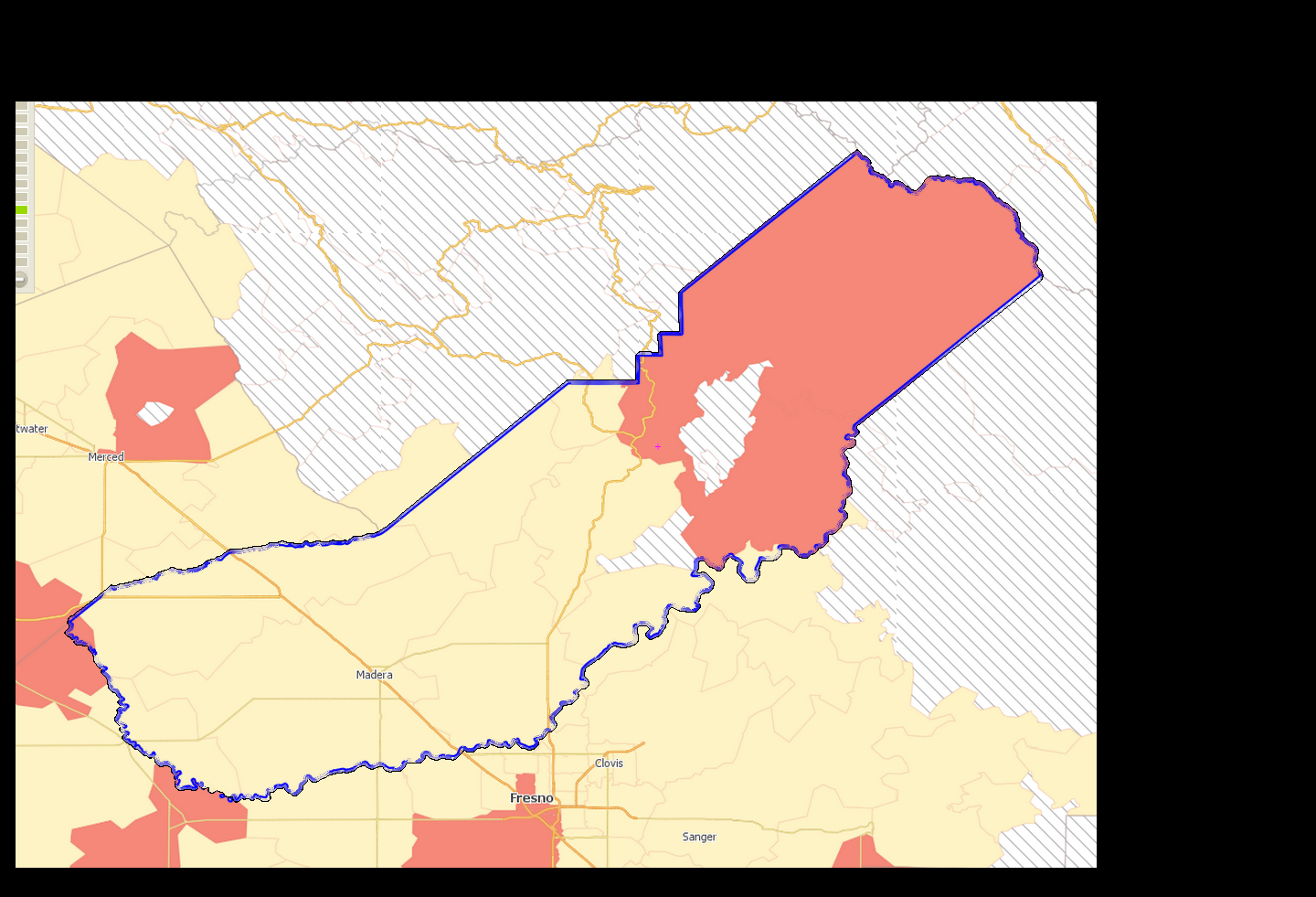
The legend distinguishes childhood mortality rates below 74 from rates of 74 or higher per 100,000.
Mortality rates were obtained from the California Department of Public Health (2009-2011). Cases included were children ages 0-14. The legend cut-point is one standard deviation above the mean for California as a whole. Map was created with HealthyCity.org
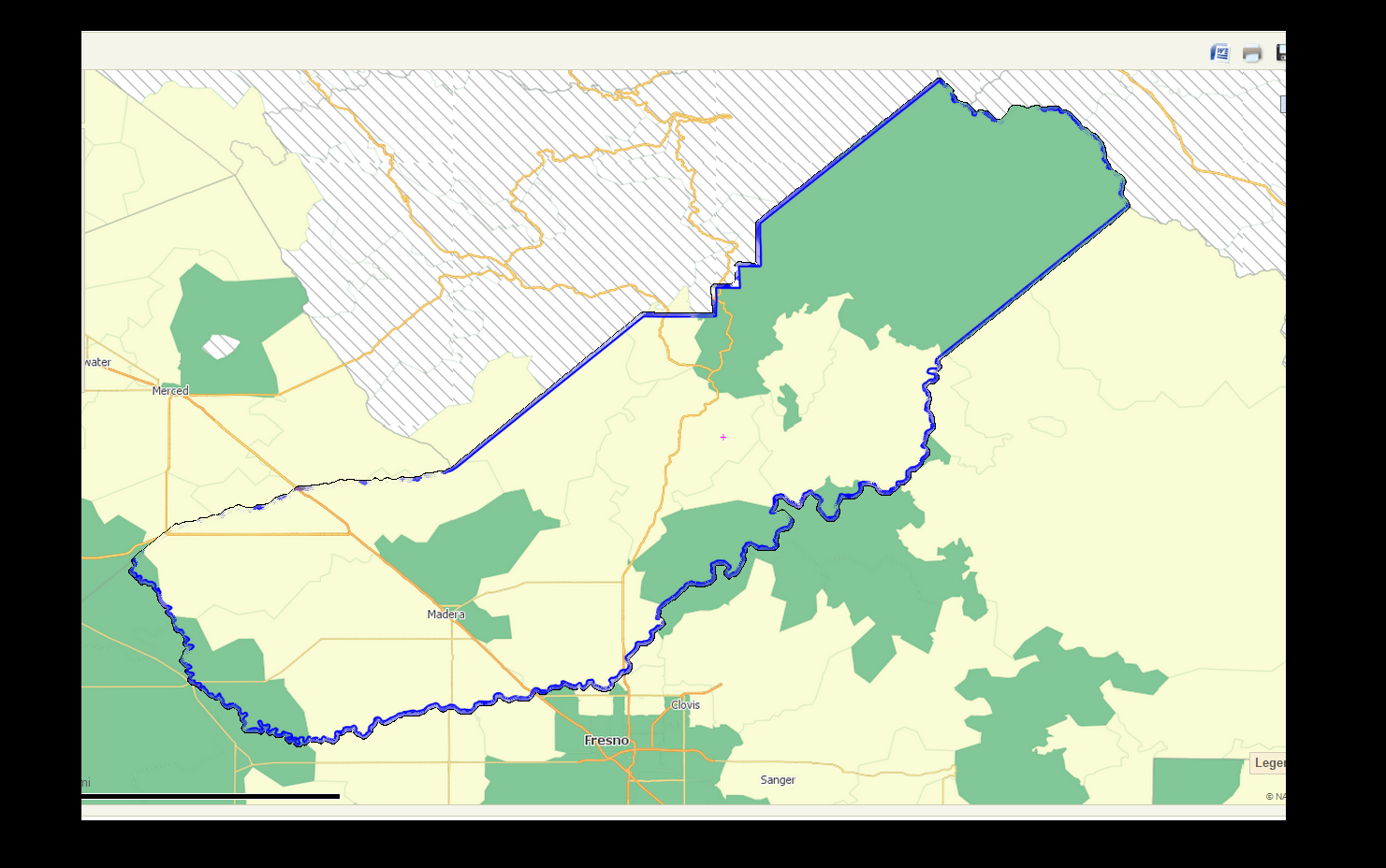
The legend distinguishes childhood hospitalization rates below 380 from rates of 380 or higher per 10,000 in the population.
Hospitalization rates computed from 2009-2011 data from the California Office of Statewide Health Planning and Development (OSHPD). Cases included were children ages 0-14. The legend cut-point is one standard deviation above the mean for California as a whole. Map was created with HealthyCity.org
Summary of Findings
In the SJV, non-white children, ages zero to five, are most at risk for experiencing ED visits, hospitalizations and death. The communities highlighted in Figures 1 and 2 have the highest rates of child mortality and morbidity in the SJV. These children are highly susceptible to the negative influences that accompany low socioeconomic status (SES), such as decreased access to many services and opportunities and high crime rates, perhaps due to heightened sensitivity to stress during developmental periods.
Children in Madera County are 3.3 times more likely to be hospitalized than children from other regions in California (328/10,000; 97/10,000 respectively). These elevated rates are likely due to lower SES and less access to equal opportunities, including quality preventive care. The highest rates of mortality occur for children under five in communities with the highest rates of poverty. The childhood mortality rate in Madera County is 29% higher than California’s rate (58/100,000; 41/100,000, respectively).
In Table 1, the majority of ED visits are for diagnoses that are considered preventable. These are primarily respiratory conditions such as upper respiratory infections and pneumonia. Though still relatively infrequent events in the county, these cases account for more than $2.1 million in health care costs. As indicated by the decreased proportion of preventable hospitalizations, most of these children are not admitted, though when they are, more than $1.7 million is spent on hospital-based health care for these cases.
| Hospital Use | Frequencya | % | Rateb | Cost/Yearc,d |
|---|---|---|---|---|
| Emergency Department | ||||
| Emergency Department Total | 16,966 | 100% | 160 | $3,393,200 |
| Preventable | 10,645 | 63% | 100 | $2,129,000 |
| Non-Preventable | 6,321 | 37% | 60 | $1,264,200 |
| Hospital Discharge | ||||
| Hospital Discharge Total | 3,445 | 100% | 32 | $7,559,478 |
| Preventable | 815 | 24% | 8 | $1,788,381 |
| Non-Preventable | 2,630 | 76% | 25 | $5,771,096 |
The most frequent preventable and non-preventable conditions include pneumonia, asthma, and bronchitis.
a indicates the sum of the three year (2009-2011) interval.
b indicates the rate per 1,000 in the population.
c emergency department visits are estimated to cost $600 per visit.
d hospitalizations are estimated to cost $6,583 per visit.
Current Maternal and Child Health Activities in Madera County:

Madera County Public Health Department (MCPHD) has several unique programs to protect maternal, child, and adolescent health. We provide Medi-Cal and Covered California outreach, enrollment, and retention services to underserved and un-served communities. Our efforts are geared towards ensuring that all children have adequate access to primary and preventative care.
Madera County also operates several voluntary, high-quality home visiting programs that aim to reduce teen pregnancy, prevent childhood illness, and promote health and well-being.
Madera County Home Visiting Program (MCHVP)
The Madera County Home Visiting Program (MCHVP), was accredited in 2016 by Healthy Families America as a provider of high quality home visiting services to families who want to improve their child’s health, nutrition, and developmental outcomes. MCHVP home visitors are trusted sources in the community. They provide resources to a wide range of parenting questions such as caring for a new baby, promoting healthy child development, coping with stressors that may become heightened with an addition to the family.
Healthy Beginnings Program (HBP)
The Healthy Beginnings Program (HBP) offers multi-disciplinary case-management services to high risk families. Families that are referred to the HBP have many challenges that may include domestic violence and alcohol and drug abuse. HBP team is comprised of staff from Madera County Public Health Department, Behavioral Health Department, Department of Social Services, Madera County Office of Education, and the Community Action Partnership of Madera County. Families in HBP gain skills and knowledge to reduce health-risk behaviors.
Madera Health Care Program for Children in Foster Care (HCPCFC)
The Madera Health Care Program for Children in Foster Care (HCPCFC) is a public health nursing program that meets the medical, dental, mental, and developmental needs of children and youth in foster care. Since 2012, public health nurses in this program have participated in the State of California Quality Improvement Project to improve safe and appropriate prescribing and monitoring techniques of psychotropic medication use among children and youth in foster care. These nurses were instrumental in providing recommendations and input in creating the State of California Guidelines for the Use of Psychotropic Medication with Children and Youth in Foster Care. Utilizing the concepts in these Guidelines, the number of children in Madera County in out-of-home care on psychotropic medications has continued to be less than 5% for the past 3 years.
Proposed Strategies to Reduce Childhood Morbidity and Mortality in Madera County:
Madera County is in the process of developing a comprehensive and partnership-driven Community Health Needs Assessment and a Health Improvement Plan in which the public health system will identify its assets to addressing the needs of all residents.
We have identified four priority areas for improvement:
- obesity & diabetes
- mental health
- alcohol & substance use
- child abuse & neglect
SAN JOAQUIN VALLEY PUBLIC HEALTH CONSORTIUM
www.sjvphc.org
14215 Road 28, Madera, CA 93638
Phone: (559) 675-7893